Affiliate links on Android Authority may earn us a commission. Learn more.
Jul 27, 2026 — 9:15 AM ET
- Samsung says its smart glasses are designed to complement smartphones rather than replace them.
- The company is leaning heavily on Galaxy phones for AI processing while promising phone-grade durability and stronger privacy protections.
- Samsung’s approach stands in contrast to Meta’s vision for AI glasses and plays to one of its biggest competitive strengths.
When Samsung showcased its smart glasses at the recent Galaxy Unpacked, most of the attention centered on the hardware itself. The company confirmed partnerships with Gentle Monster and Warby Parker, a Qualcomm Snapdragon AR1 platform, a voice-first experience, and up to nine hours of battery life. But little was said about the philosophy behind the product.
Now, new comments from a Samsung executive paint a much clearer picture.
Speaking during a press briefing after Galaxy Unpacked in London, Samsung Electronics Head of XR Research & Development Choi Jae-in said the company doesn’t see smart glasses as the device that will replace your smartphone.
“Smart glasses are an extension of the experience centered on the smartphone, rather than being a post-smartphone device,” Choi said.
Even though subtle, this distinction feels like the clearest attempt yet to differentiate itself from Meta. Samsung’s strategy assumes smartphones will remain the hub of personal computing for years to come, with smart glasses acting as companion devices rather than standalone replacements.
According to reporting by The Korea Times, that philosophy is reflected in Samsung’s split-computing approach. The glasses handle lighter tasks, while connected Galaxy phones process AI-intensive workloads such as translation, navigation, and image processing. Choi said packing enough computing power into lightweight glasses would compromise the comfort users expect from all-day wearable devices.
The approach also plays to Samsung’s biggest strength. While Meta has consistently described AI glasses as the next major computing platform, Samsung is betting smartphones will remain at the center of the experience. Rather than replacing the phone, the company’s glasses are designed to extend the capabilities of the Galaxy ecosystem.
Users can tap into an ecosystem spanning Galaxy phones, watches, earbuds, and AI services, allowing each device to offload work to the one best suited for the task. Think Galaxy Watches acting as gesture-based controllers for taking photos, controlling music playback, and answering calls, while audio automatically transfers between the glasses and Galaxy Buds. Apps, including Samsung Notes, Gmail, and Google Maps, are also designed to work seamlessly across the ecosystem.
Samsung is also placing unusual emphasis on durability. Choi said the glasses underwent smartphone-grade quality testing, including drop tests, resistance to outdoor conditions, sunscreen and cosmetic exposure, and hinge durability evaluations based on technologies developed for foldables. The company has also created more than 20 new testing methods specifically for smart glasses.
Privacy is another key focus. Roughly 10% of Samsung’s smart glasses patents relate to privacy and misuse prevention, including safeguards that prevent recording when users attempt to cover the recording indicator or when the glasses aren’t being worn. The emphasis comes as AI-powered smart glasses continue to face scrutiny over recording transparency and privacy, particularly following growing debate around Meta’s Ray-Ban smart glasses and their expanding AI capabilities.
Samsung also isn’t positioning its first-gen glasses as an affordable experiment. They’ll debut in the premium segment, though the company still intends to price them at a “reasonable level.”
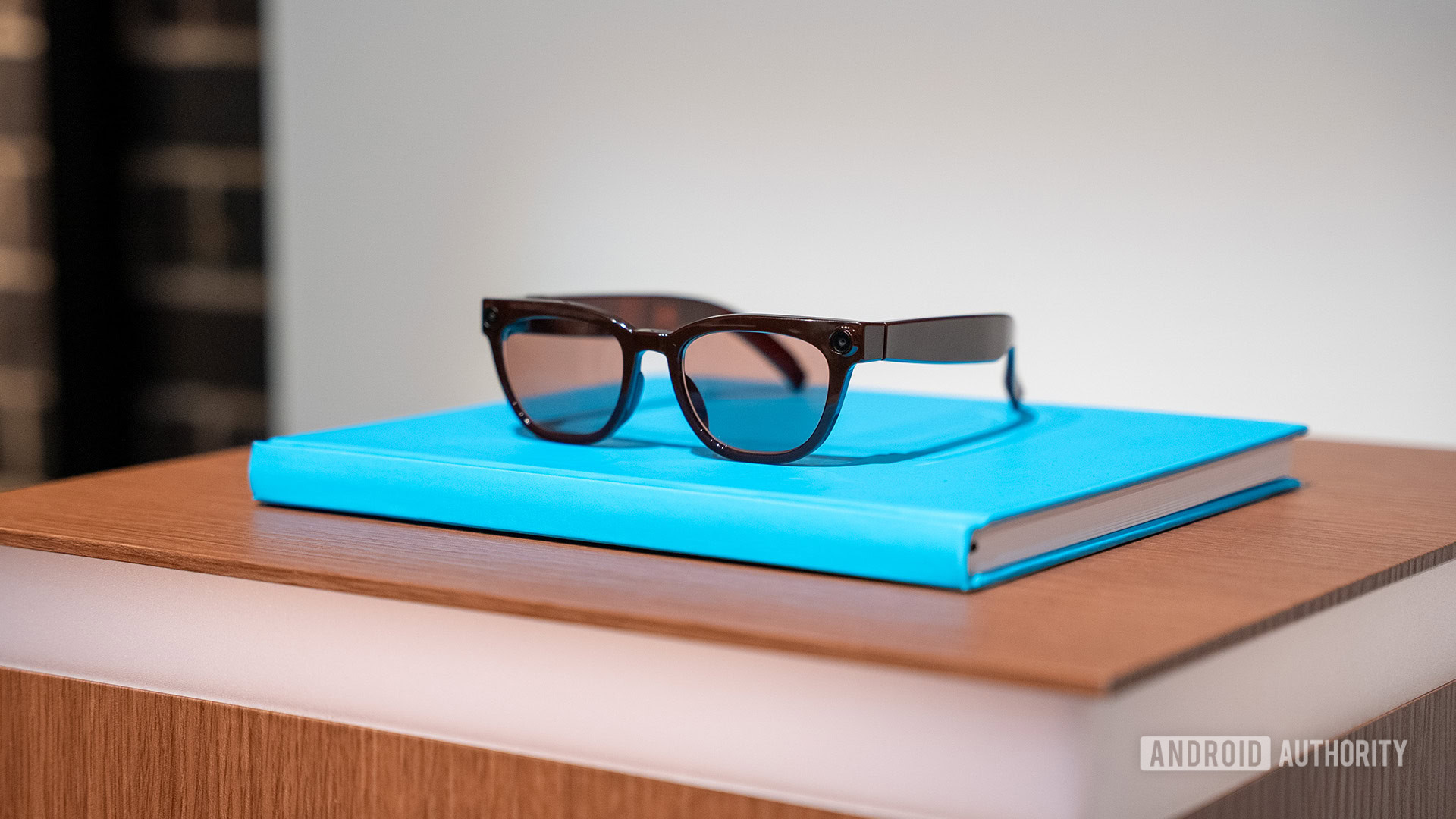
Notably, the new glasses closely resemble the Galaxy Glasses renders that leaked early this month, suggesting those images accurately captured the company’s understated design direction. Instead of futuristic styling, Samsung is prioritizing comfort, familiarity, and everyday wearability.
Thank you for being part of our community. Read our Comment Policy before posting.