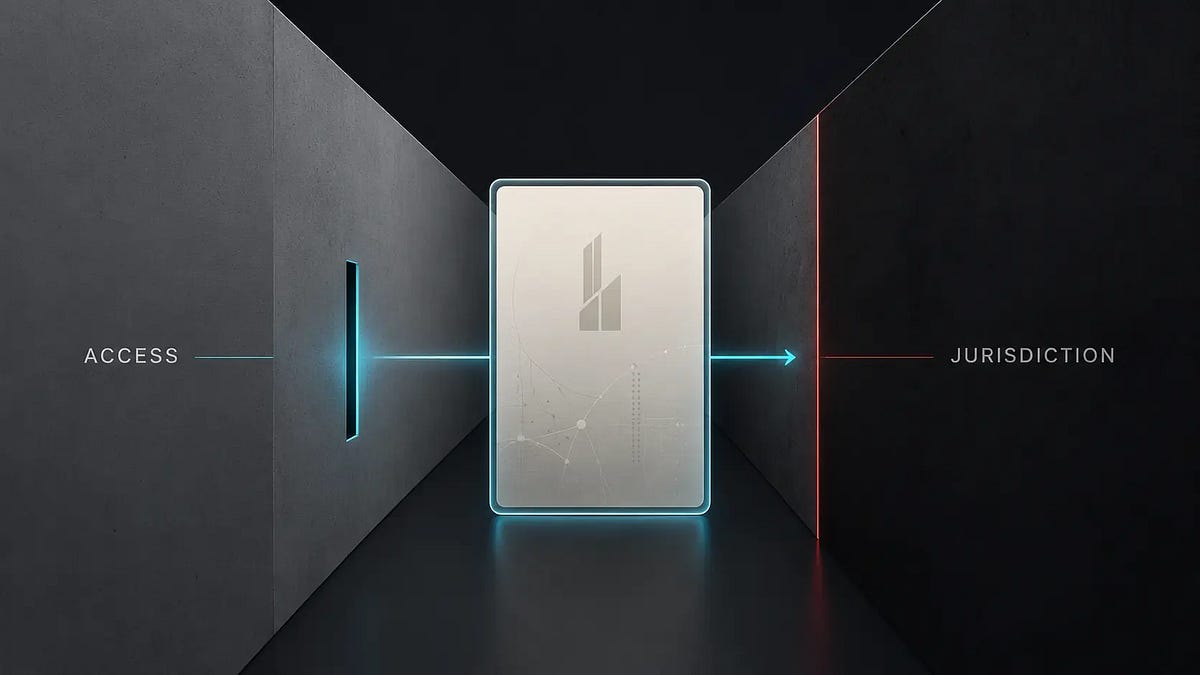
Chinese AI founders turned American identity into a product. Beijing, Washington, and the model labs are all repricing it.
The Signature
On July 24, 2026, Nvidia published an open letter urging Washington to protect open-weight AI models. Twenty-five companies and organizations signed the original version. By late July, the roster had passed 230.
Genspark was among them. The Palo Alto-based AI workspace company routes tasks across more than 70 models, giving it a direct commercial stake in a diverse model ecosystem. Its blog post explaining the signature nonetheless carried a caveat: open weights “are not a substitute for responsibility,” requiring “strict evaluation, safeguards, governance and accountability.”
The signature served both interests. It advanced a business case for model availability and placed Genspark inside a prominent American policy coalition. Anthropic, which issued a separate position statement rather than signing, was absent. Genspark was present. The qualification was less exceptional than it appeared: Nvidia’s letter also acknowledged that open-weight models create distinct risks.
The signature also points to a broader trade. Chinese AI founders have turned American identity into a product, one that can be designed across four configurable layers: legal entity, capital, personnel, and narrative. Genspark demonstrates how an offshore identity is assembled. Manus, the AI agent startup, demonstrates why relocation may not extinguish the jurisdiction attached to a company’s origins. And model providers have begun adding their own eligibility tests alongside government regulation. Anthropic’s ownership-screening rules now look through corporate registration to examine who ultimately controls a company.
The Construction
Genspark’s founders, Eric Jing and Kay Zhu, spent years together at Baidu, China’s dominant search company. Jing served as vice president and CEO of Xiaodu, Baidu’s smart device division. Zhu was Xiaodu’s CTO. On Jing’s X profile, the record is plain: “Ex-CPO @Baidu Search.” Zhu’s LinkedIn lists both Baidu roles.
The curation happens at the corporate level. MainFunc’s website, Genspark’s parent company, describes a team from Microsoft, Google, Meta, and Pinterest. Baidu is absent. In a paid-content series produced by the Wall Street Journal’s advertising department and branded “The AI Specialist Era,” Jing’s biography reads “20 years in search, beginning at Microsoft and helping launch Bing.” His Baidu years become a nameless stint as “CPO and VP.” Genspark’s LinkedIn promoted the series as “a new interview with The Wall Street Journal,” without noting it was advertising-department content rather than newsroom editorial.
Neither founder has erased anything. Company-controlled English materials foreground American institutional affiliations. The Chinese professional history is available but outside the company’s primary English-language narrative.
Independent reporting filled in the omitted history early. Reuters and TechCrunch identified both founders as former Baidu executives in their 2024 seed-round coverage. Lanchi Ventures, a Chinese venture firm that also backs Moonshot AI, maker of the Kimi AI model, led that $60 million round. By June 2026, Reuters’ own funding report described the founding team as alumni of “Microsoft, Google, Meta, YouTube and Pinterest.” Baidu had dropped from the wire copy.
The standard English-language introduction of the company had shifted. Whether Genspark drove that change or merely benefited from it cannot be determined from public evidence. What can be observed is the outcome: the narrative presented to investors and enterprise buyers now foregrounds American affiliations. The deepest shared credential of the founding team, years at Baidu building Xiaodu together, sits outside the company’s standard corporate introduction.
Genspark shows how an offshore identity is constructed through narrative. The analysis that follows maps the three layers beneath it and explains why the access they create remains conditional.
This piece builds on our earlier analysis of China’s AI founder exodus. If the four-layer identity framework is a useful lens for evaluating Chinese-founded AI companies, subscribe free and get every new analysis as it publishes.