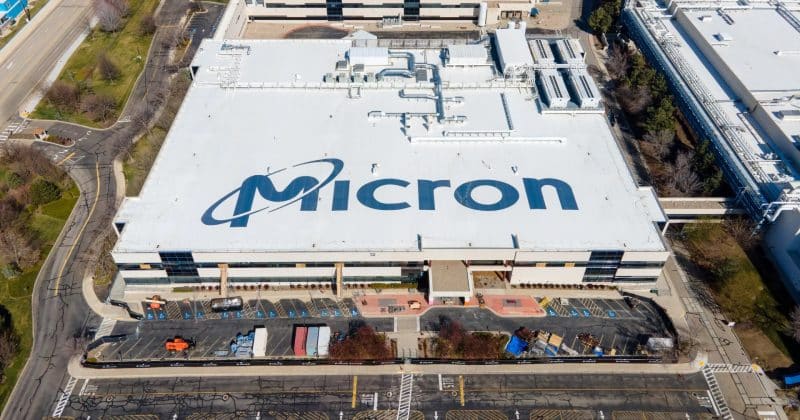
As investors flee inflation hedges like Bitcoin and gold, the chipmaker's AI-driven fundamentals are keeping it afloat in a brutal market
For months, the so-called debasement trade was the market’s favorite security blanket. Buy scarce assets like gold and Bitcoin, the logic went, because fiat currencies are getting debased by loose monetary policy and sticky inflation. That trade started unraveling in May 2026, and the ripple effects have hit everything from crypto ETFs to semiconductor stocks.
The debasement trade falls apart #
The debasement trade, which funneled institutional money into Bitcoin, gold, and other assets perceived as hedges against currency depreciation, started losing steam as inflation fears receded and the Federal Reserve signaled a policy pivot.
Fed Chair Kevin Warsh’s comments were the catalyst. His remarks shifted expectations around monetary policy, and suddenly the thesis underpinning billions of dollars in positioning looked shaky.
The result has been notable outflows from both gold and Bitcoin ETFs. JPMorgan analysts had flagged Bitcoin as a key asset tied to the debasement trade, and institutional positioning started to wane as of late May 2026.
Micron takes a hit, but stays standing #
Around June 5-6, 2026, Micron’s shares dropped approximately 13%. The PHLX Semiconductor Index fell 10.3% in the same period, its worst single-day performance in over six years.
Micron’s revenue has quadrupled since 2023. The company achieved a market cap exceeding $1 trillion, driven almost entirely by insatiable demand for high-bandwidth memory and DRAM chips that power AI workloads.
The semiconductor sector as a whole is going through a painful valuation reassessment. Speculative growth stocks are getting repriced as the debasement trade unwinds and risk appetite contracts. But companies with genuine demand drivers, particularly those tied to AI infrastructure, are being differentiated from the pack. Micron fits squarely in that category.
The crypto connection investors should watch #
When institutional investors pull money out of Bitcoin and gold ETFs, that capital gets redeployed. And increasingly, the destination appears to be tech infrastructure plays, companies that benefit from secular trends like AI rather than macro narratives about currency debasement.
For crypto market participants, the reduction in institutional positioning is worth monitoring closely. If the trend of ETF outflows continues, it could exert sustained downward pressure on Bitcoin’s price. The debasement narrative was a powerful recruitment tool for institutional adoption. Without it, Bitcoin needs a new story to tell Wall Street. Disclosure: This article was edited by Editorial Team. For more information on how we create and review content, see our