Claudeis for UI/UX and GPT is for raw logic. If you've used both for frontend work, you know the "GPT smell": generic dashboards, repetitive card layouts, and that sterile "AI app" aesthetic. For a long time, the easiest conclusion was simply that GPT models lack visual taste.
However, looking at the model manifests reveals a different story. The perceived "bad taste" isn't necessarily a lack of model capability, but rather a result of the harness—the system prompts and hidden instructions wrapping the LLM.
Some versions of the Codex manifest actually contained massive frontend guidance blocks. These weren't just general tips; they were rigid rules on card radii, icon choices, and hero layouts. When a model is forced to follow a global "style guide" hidden from the user, the output becomes formulaic.
Model Capability vs. Harness Behavior #
We often confuse the intelligence of the LLM agent with the environment it runs in. When comparing Claude Code to Codex, you aren't just comparing weights; you're comparing:
-
System prompts and hidden instructions
-
Project context and repo memory
-
Tooling and permission sets
-
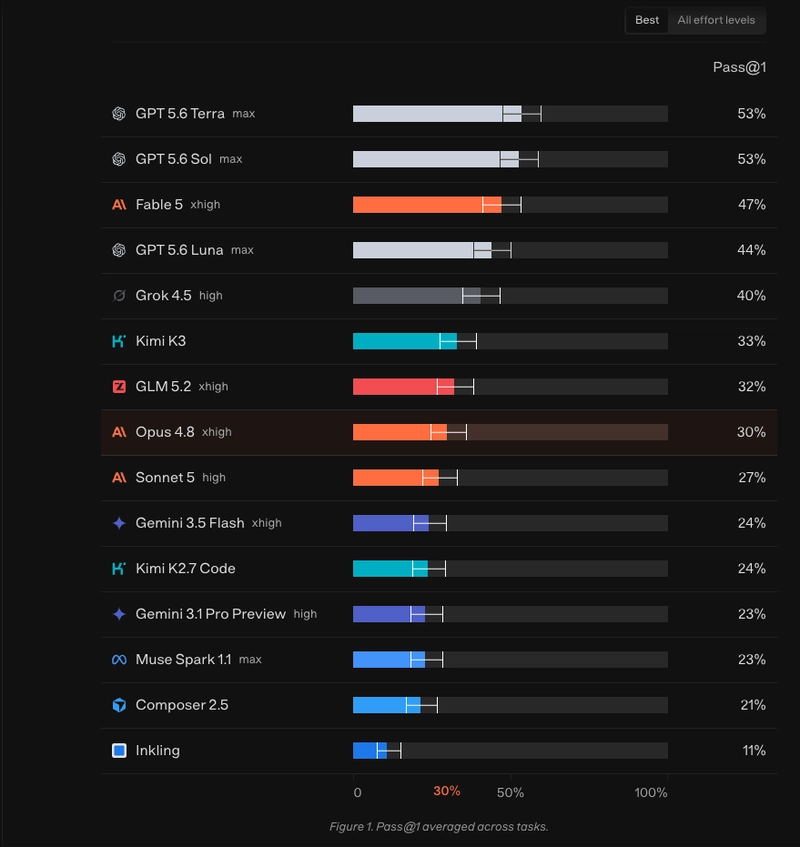
Product-level defaults There is evidence that when you strip away the restrictive "corporate" harness, GPT models perform exceptionally well. ReactBench data shows GPT models scoring highly on realistic React tasks, proving the underlying capability is there. The issue is steering.
The Danger of Stale Instructions #
This realization should make every dev audit their own prompt engineering workflow. If you are using CLAUDE.md
, AGENTS.md
, or custom instructions, remember that these are steering mechanisms.
A constraint you added six months ago to fix a GPT-4 quirk might be actively handicapping a newer model. Overloaded agent files filled with dead commands and stale style preferences aren't harmless—they are context that steers the model away from its optimal output.
If your AI's UI output feels "off," stop blaming the model and check your configuration files. You're likely fighting a ghost in your own system prompt.

[Next Midjourney V8.2: Preview Mode Deep Dive →](https://promptcube3.com/en/threads/2206/)