What happened
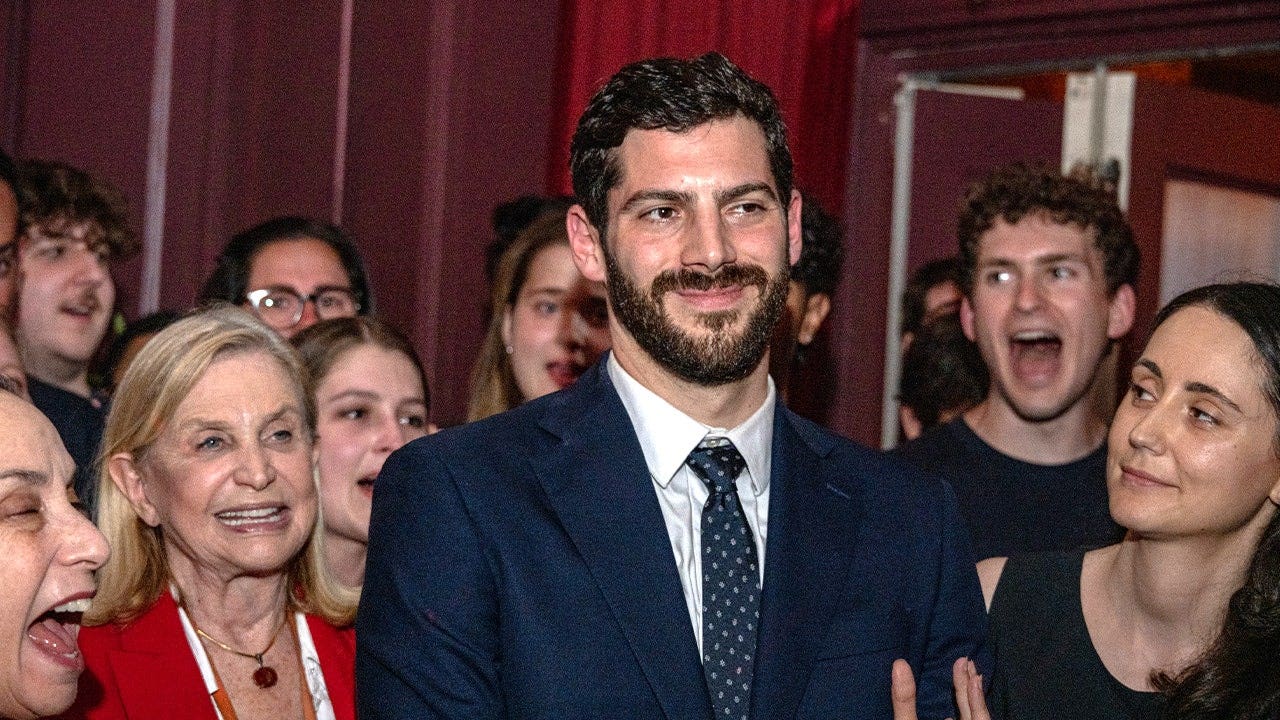
The Democratic primary in New York's 12th Congressional District turned into a high-dollar proxy battle over AI regulation. According to AdImpact Politics as reported by Fox News, the race recorded roughly $26.3 million in ad spending, making it the second-most expensive House primary on record. Fox reported that Micah Lasher won the June 23 primary with 39% of the vote to Alex Bores' 35%; NBC News projected Lasher the victor. Multiple outlets, including CNBC, The Guardian, The Washington Post and The Verge, documented that opposing AI-aligned Super PACs and advocacy groups funneled large sums into the contest.
Technical details
Editorial analysis: The spending pattern reflects two distinct political vehicles active this cycle. Reporting by The Guardian and CNBC identifies a network described as Leading the Future or affiliated Super PACs that spent millions opposing Bores, with Federal Election Commission filings and FEC-tracked data cited by those outlets naming donors such as Marc Andreessen, Ben Horowitz, and Greg Brockman. Countervailing spending came from AI-safety aligned groups and allied Super PACs, which multiple outlets reported contributed more than $20 million in support of Bores or to oppose his opponents, according to coverage in Fox News and The Verge. These flows manifested largely as televised and digital ad buys; AdImpact Politics provided the ad-spend totals highlighted above.
Context and significance
Editorial analysis: For practitioners, the NY-12 contest is a clear example of how emerging technology policy fights are migrating into expensive, targeted political spending. Coverage in The Washington Post and The Guardian frames the race as emblematic of a broader industry split over whether to pursue federal frameworks for AI governance or to push for lighter regulation. The Verge and CNBC coverage document that both pro-growth and safety-oriented factions in the AI ecosystem are deploying traditional political tools, including Super PACs and large ad buys, to influence a single federal seat that could shape legislative approaches.
What to watch
Editorial analysis: Observers should track three measurable indicators in similar contests: FEC disclosures for large individual or PAC donations, ad-tracking datasets such as AdImpact for district-level spend, and Super PAC organizational disclosures that show donor concentration. Reporting also suggests attention to how platform firms and major AI companies choose to communicate about political spending; several outlets cited company alumni or executives as donors, but corporate disclosure varied across coverage. Finally, practitioners following regulatory outcomes should monitor whether seats with heavy AI-industry spending produce Congressional sponsors of federal AI policy proposals in 2027 and beyond.
Scoring Rationale #
NY-12 primary saw ~$26.3M in ad spending as opposing AI industry factions backed different candidates, making it the second-most expensive House primary on record. Notable for practitioners tracking AI policy and regulatory risk, but is an electoral/political story rather than a technical development or platform milestone.
Practice with real Ad Tech data
90 SQL & Python problems · 15 industry datasets
[Active Search Campaigns by BudgetEasy](https://letsdatascience.com/problems/sql/active-search-campaigns-by-budget)

[High CPC Clicks & Poor Landing PagesMedium](https://letsdatascience.com/problems/sql/high-cpc-clicks-poor-landing-page)

[Campaign ROAS by Attribution ModelHard](https://letsdatascience.com/problems/sql/campaign-roas-by-attribution-model)
250 free problems · No credit card