The approval expands the pool of Chinese firms eligible for advanced US-made AI chips, though volumes remain tiny compared to surging demand
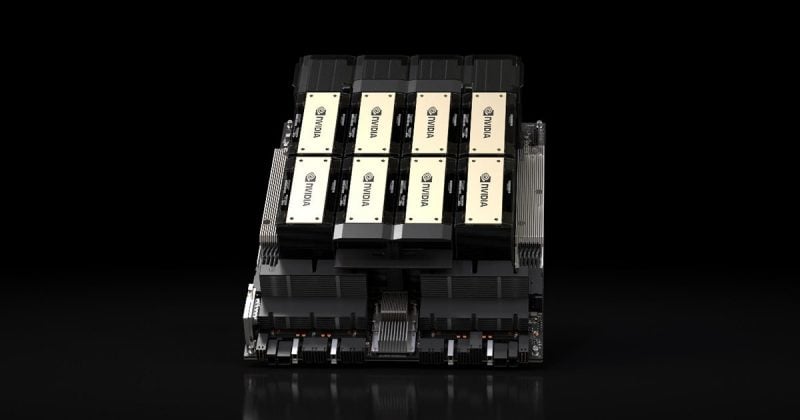
ZTE’s telecom subsidiary ZTE Kangxun Telecom and server maker Maginfra just got the green light from Washington to buy Nvidia’s H200 AI chips. A Kingsoft subsidiary also received approval for AMD’s competing hardware on the same day. For an industry that’s been watching the US-China chip war like a slow-motion car crash, this feels like someone tapping the brakes.
The licenses, reported by Reuters on July 14, represent a meaningful expansion of which Chinese companies can actually get their hands on advanced American semiconductors. Until now, the approved buyer list skewed heavily toward China’s largest internet companies. Adding a telecom equipment maker and a server manufacturer to that list suggests the Commerce Department is widening the aperture, even if just slightly.
Small shipments, big symbolism #
US Under Secretary of Commerce Jeffrey Kessler confirmed that shipments of H200 chips to China and Hong Kong have already begun. Those shipments are described as “very small” in quantity.
The H200 is an older-generation Nvidia chip that still falls under US export control requirements for sales to China. Nvidia and AMD shares both climbed following the announcement.
The bigger chess game #
These approvals don’t exist in a vacuum. They arrive against a backdrop of Beijing aggressively pushing domestic chip alternatives, with Huawei’s Ascend chips being the most prominent example.
Nvidia has been tightening compliance checks in Singapore, Malaysia, and Japan to make sure chips sold in those markets don’t get rerouted to restricted buyers.
For American chipmakers, the revenue implications are meaningful but not transformative. China represents a massive potential market for AI hardware, and every license granted is a small revenue win. But consistent, large-scale access remains uncertain, and that uncertainty is priced into how investors think about forward earnings. Disclosure: This article was edited by Editorial Team. For more information on how we create and review content, see our