Thinking Machines just released the US’s best open-source model, but that hasn’t stopped the company from hemorrhaging cofounders.
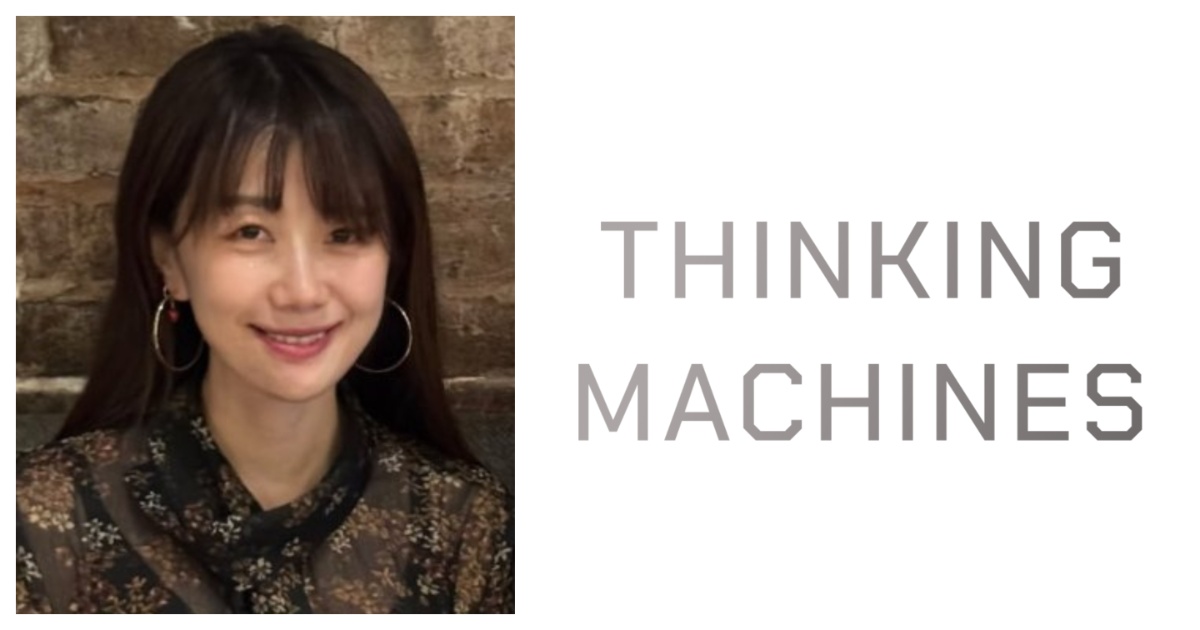
Lilian Weng, the company’s cofounder and former OpenAI VP of AI safety, announced on X that she is leaving Thinking Machines Lab, telling colleagues that yesterday was her last day. Weng shared a note she had sent to the team, explaining that seven months of health problems, aggravated by the pace expected of a startup, had made it impossible for her to keep going in her current role.
Weng’s message is unusually candid for a cofounder departure in AI, an industry where exits are typically dressed up in a paragraph or two about pursuing “new challenges.” She wrote about resting while fighting off guilt, about wanting to give 100 percent to a job that no longer let her, and about considering a narrower role before deciding that wasn’t who she was. “If I cannot give it 100% for what I should be responsible for, I fail my job,” she wrote, adding that she still loves AI research and hopes to find a more scoped position at a calmer place rather than staying on as a cofounder.
She closed the note with a line she also posted separately on X: the future worth building is human.
Weng becomes the fourth cofounder to leave Thinking Machines Lab since Mira Murati started the company in February 2025 with a team of six. Andrew Tulloch was the first to go, departing for Meta in October 2025 after reportedly turning down one of the company’s nine-figure “godfather” packages before eventually accepting a similar offer. Barret Zoph and Luke Metz followed in January 2026, both returning to OpenAI along with a third former OpenAI staffer, Sam Schoenholz, in a coordinated set of announcements that Murati and OpenAI’s Fidji Simo made barely an hour apart. Zoph’s exit came with an added complication, with reports at the time citing “unethical conduct” as a factor, a claim Thinking Machines has not detailed publicly.
That leaves Murati, John Schulman still on as chief scientist, and Soumith Chintala having stepped into the CTO role after Zoph’s departure.
The timing lands awkwardly for a company that just had one of its stronger weeks. Thinking Machines released Inkling, a 975-billion-parameter mixture-of-experts model with a million-token context window, and the release quickly climbed to the top of Artificial Analysis’s ranking for US-built open models. It was meant to answer a question that had been hanging over the company for a year and a half: whether Thinking Machines could actually ship a frontier model after building its reputation on research write-ups and the Tinker fine-tuning API. Coming a day after that answer arrived, Weng’s departure again puts the company’s cofounder attrition back in the headlines it was hoping to move past.
Reactions from within the AI community have been sympathetic rather than skeptical. Soumith Chintala, Miles Brundage, and others replied to Weng’s post thanking her for her contributions and telling her to prioritize her health. Weng cofounded Thinking Machines after nearly seven years at OpenAI, where she led safety, robotics, and applied research before leaving in late 2024. She has not said what she plans to do next, only that she wants a role with a lighter blast radius than running a frontier AI lab.
Thinking Machines has not yet commented on Weng’s departure beyond her own note.