Senators from both parties urge Americans to continue saving for retirement despite AI advancements. #
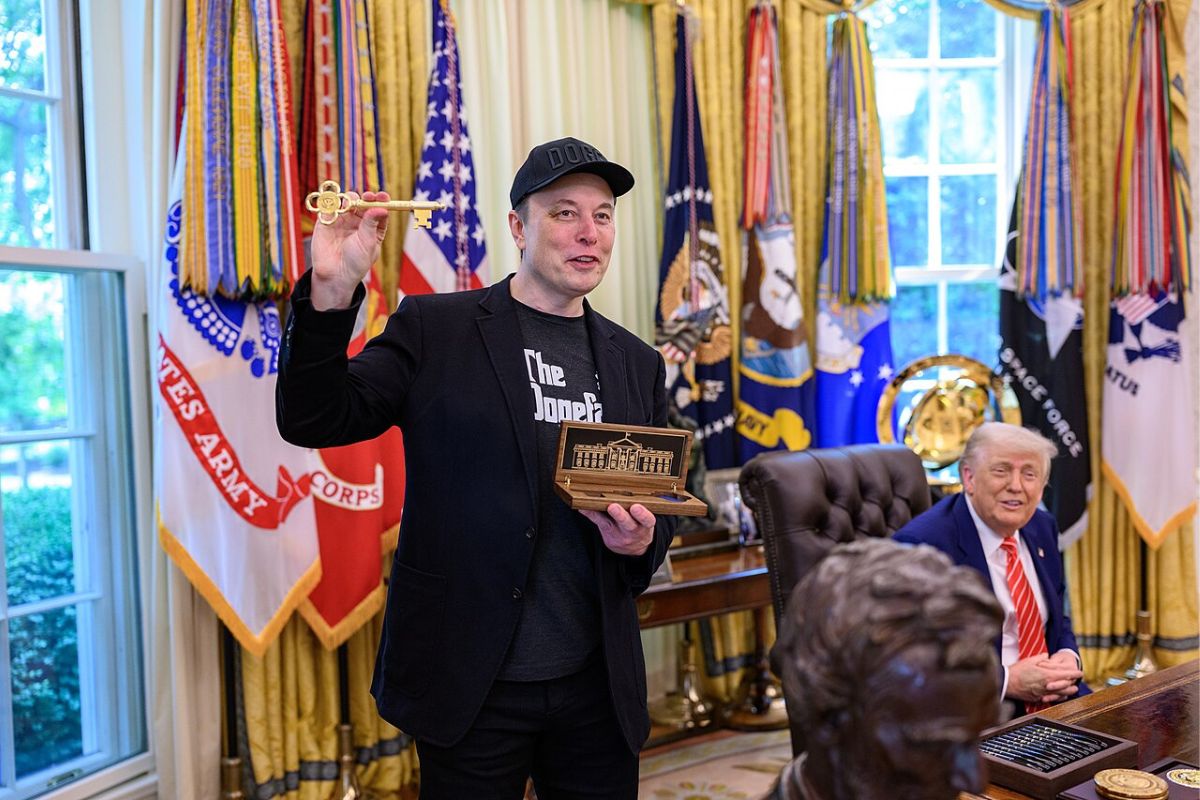
Elon Musk's prediction that artificial intelligence will one day make retirement accounts unnecessary has met bipartisan scepticism on Capitol Hill, with lawmakers from both parties insisting Americans should continue saving for retirement despite rapid advances in AI.
The debate gained fresh momentum this week after US Treasury Secretary Scott Bessent appeared to echo Musk's optimism about AI's long-term economic potential, prompting renewed questions over whether artificial intelligence is anywhere close to transforming personal finance in the way some technology leaders predict.
'That's Delusional': Democrats Push Back
The strongest criticism came from Senator Maria Cantwell, the ranking Democrat on the Senate Commerce Committee, who argued that Musk's prediction ignores the financial challenges already confronting millions of Americans approaching retirement.
Speaking to Raw Story, Cantwell dismissed the idea outright.
'That's delusional on where America is right now.'
She argued that the United States already faces a significant retirement savings shortfall that technology alone is unlikely to solve.
'We already have a shortage of enough money for people retiring, and that's probably going to last for the next 20 years, 30 years, even if you have a major shift.'
Rather than assuming future AI breakthroughs will erase today's financial problems, Cantwell said policymakers should focus on addressing the retirement gap that already exists.
'That's kind of playing with fire. If AI is so smart, why doesn't it help us with the retirement gap that we face today?'
Her comments reflect a broader concern among lawmakers that enthusiasm surrounding AI risks running ahead of measurable economic results.
Republicans Also Reject the Idea #
The scepticism was not limited to Democrats. Several Republican senators also dismissed the notion that AI has progressed far enough to replace conventional retirement planning.
Arkansas Senator John Boozman admitted he found the claim difficult to understand.
'I don't have a clue what they were talking about.'
Nebraska Senator Pete Ricketts offered more practical advice.
'I would recommend that Americans still plan for retirement and use their retirement accounts to do it.'
Rather than embracing forecasts of an AI-driven economic revolution, Republicans questioned whether there is any real-world evidence supporting such sweeping predictions.
'We're Totally Blind' on AI's Economic Impact #
Missouri Republican Josh Hawley argued that Congress still lacks reliable data showing artificial intelligence has meaningfully increased wages or created enough opportunities to justify abandoning traditional retirement savings.
Asked whether AI might eliminate the need for retirement accounts during his lifetime, Hawley laughed before replying, I'd just be satisfied if it didn't take all the jobs. One thing at a time.'
When pressed on whether lawmakers have seen evidence that AI is already improving workers' incomes, he answered, 'No.'
Hawley said policymakers remain uncertain about AI's overall effect on employment, productivity and long-term economic growth.
'We're totally blind. On the one hand, you've got all of the cheerleaders saying this is going to be the best thing ever and everybody's going to get rich. Then you've got folks who are more sceptical, and put me in that camp.'
To address those unanswered questions, Hawley and Democratic Senator Mark Warner have introduced the AI-Related Job Impacts Clarity Act, legislation that would require more detailed federal reporting on how artificial intelligence is affecting jobs, wages and workforce participation.
One Senator Offers A Different Answer #
The lone senator offering an alternative perspective was Wyoming Republican Cynthia Lummis, one of Congress's strongest cryptocurrency advocates.
Rather than arguing AI would eliminate the need to save, Lummis said Americans should reconsider what they save.
'I would say save Bitcoin and spend U.S. dollars,' she told Raw Story. 'Because U.S. dollars are always declining in value by design.'
A Debate Far From Settled
The exchange underscored a growing divide between Silicon Valley's most ambitious predictions and lawmakers' more cautious assessment of AI's economic potential.
While Musk and Bessent have suggested artificial intelligence could fundamentally reshape personal finance, senators from both parties said there is little evidence that Americans can safely abandon retirement planning today. Instead, lawmakers argued that Congress is still trying to answer more immediate questions, including whether AI will create more jobs than it replaces and whether its economic gains will be widely shared.
For now, the consensus on Capitol Hill is considerably more restrained than Musk's vision. Whatever AI may eventually become, lawmakers from both parties agreed on one point: Americans should continue saving for retirement rather than expecting artificial intelligence to make those preparations obsolete.
© Copyright IBTimes 2025. All rights reserved.