South Korea's $880 billion chip and AI infrastructure plan is running into power and water constraints around the Yongin Semiconductor National Industrial Complex. Tom's Hardware reports that the cluster could require 15 to 16 GW at full operation, roughly a quarter of Seoul-metropolitan demand, while local supply is about 1.9 GW. The practical signal for AI infrastructure teams is that fab and data-center capacity cannot be modeled from capital expenditure alone. Grid transmission, water sourcing, permitting, and regional generation now sit on the critical path for advanced memory, HBM packaging, and AI data-center buildouts. The plan still shows national-scale commitment, but the bottleneck is civil infrastructure rather than chipmaking ambition.
Power and water availability are becoming first-order constraints for AI supply chains. South Korea's investment headline is enormous, but the practitioner lesson is narrower: memory fabs and AI data centers concentrate demand so quickly that local utilities can become the schedule-setting dependency.
What happened
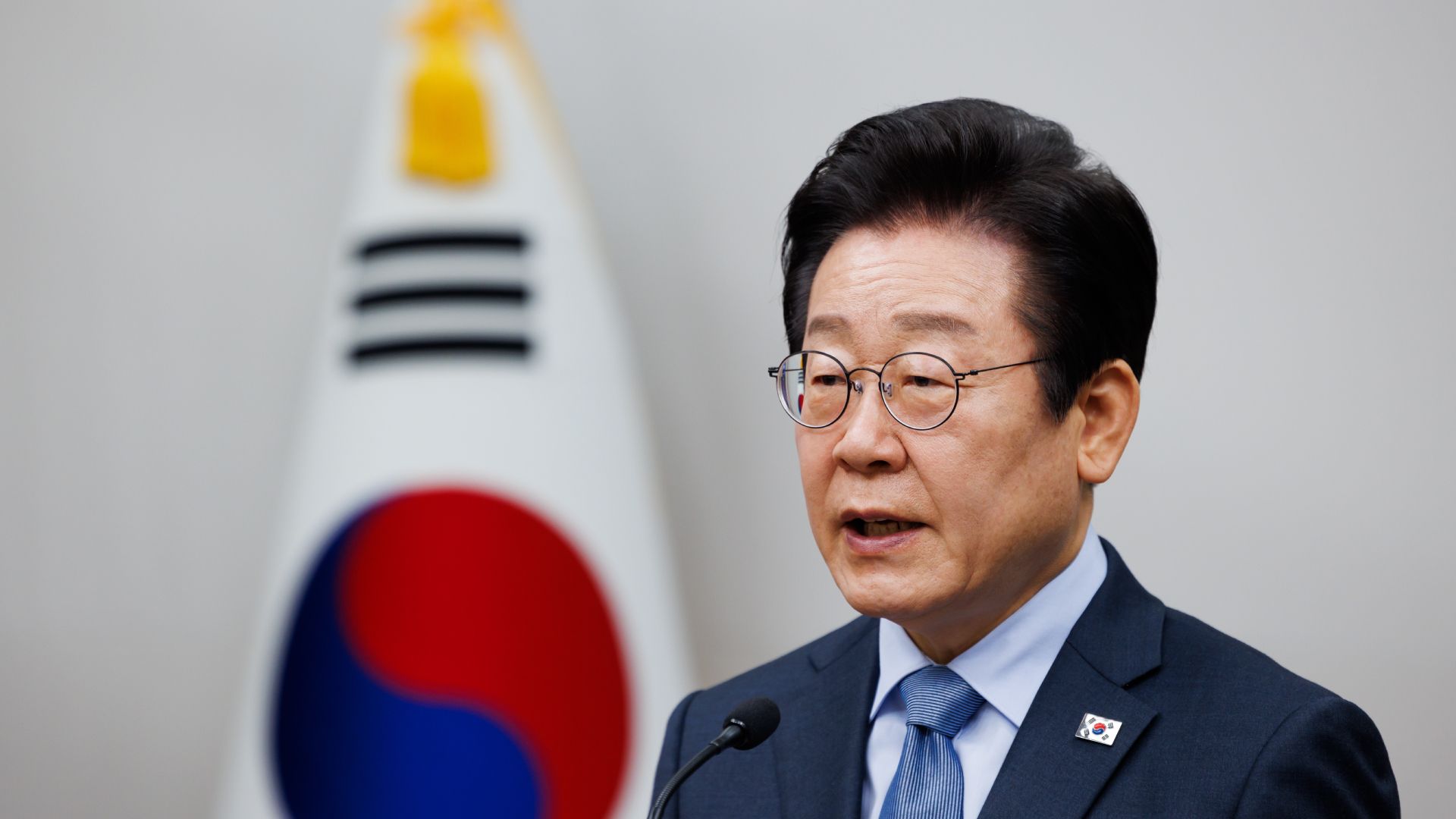
Tom's Hardware reports that President Lee Jae-myung announced a 10-year public-private plan worth about 1,350 trillion won, roughly $880 billion, covering semiconductors, AI data centers, and robotics. The same report says the Yongin Semiconductor National Industrial Complex could need 15 to 16 GW at full operation, close to a quarter of Seoul-metropolitan power demand, against about 1.9 GW of local supply. It also cites a January briefing that left roughly 6 GW of the complex's expected need without a finalized supply plan. AP and Al Jazeera coverage of the broader program also frame the investment as a national AI and chip-infrastructure push, with Samsung, SK Hynix, SK Group, GS Group, and Naver tied to fabs and data-center capacity.
Technical context
The constraint is not only electricity volume. Advanced fabs need stable high-quality power, redundant feeds, process water, wastewater treatment, and long-lead transmission. AI data centers add dense, continuous load and cooling demand. When these systems land in one region, project risk shifts from model demand forecasts to interconnection queues, civil works, water rights, and how quickly the grid can absorb new load.
For practitioners
Capacity planning for AI compute and memory supply should treat regional infrastructure as an input, not background context. Procurement models that assume announced fab capex converts smoothly into available HBM or server capacity can be too optimistic if power and water upgrades lag. Teams negotiating cloud, colocation, or component commitments should ask where the physical capacity sits, which utilities serve it, and what milestones control energization.
What to watch
The useful signals are finalized power contracts, transmission approvals, water permits, and phased ramp dates for Yongin and the southwestern semiconductor projects. If those milestones slip, the impact shows up as slower HBM expansion, higher infrastructure costs, or more pressure to place AI data-center growth in regions with surplus generation and water capacity.
Key Points #
- 1South Korea's AI-chip plan faces utility constraints around Yongin, where expected demand could reach 15 to 16 GW.
- 2The bottleneck is practical infrastructure: transmission, water sourcing, and redundancy may govern fab and data-center ramp schedules.
- 3AI capacity planners should model regional power and water milestones alongside chip capex, not as background assumptions.
Scoring Rationale #
The event is notable because it connects national AI-chip strategy to concrete power and water constraints that can affect HBM, fab, and data-center capacity. The score stays below major because the sourcing is strongest on one infrastructure analysis and does not yet show a confirmed project delay.
Sources #
Public references used for this report. Practice interview problems based on real data
1,625 SQL & Python problems across 15 industry datasets — the exact type of data you work with.