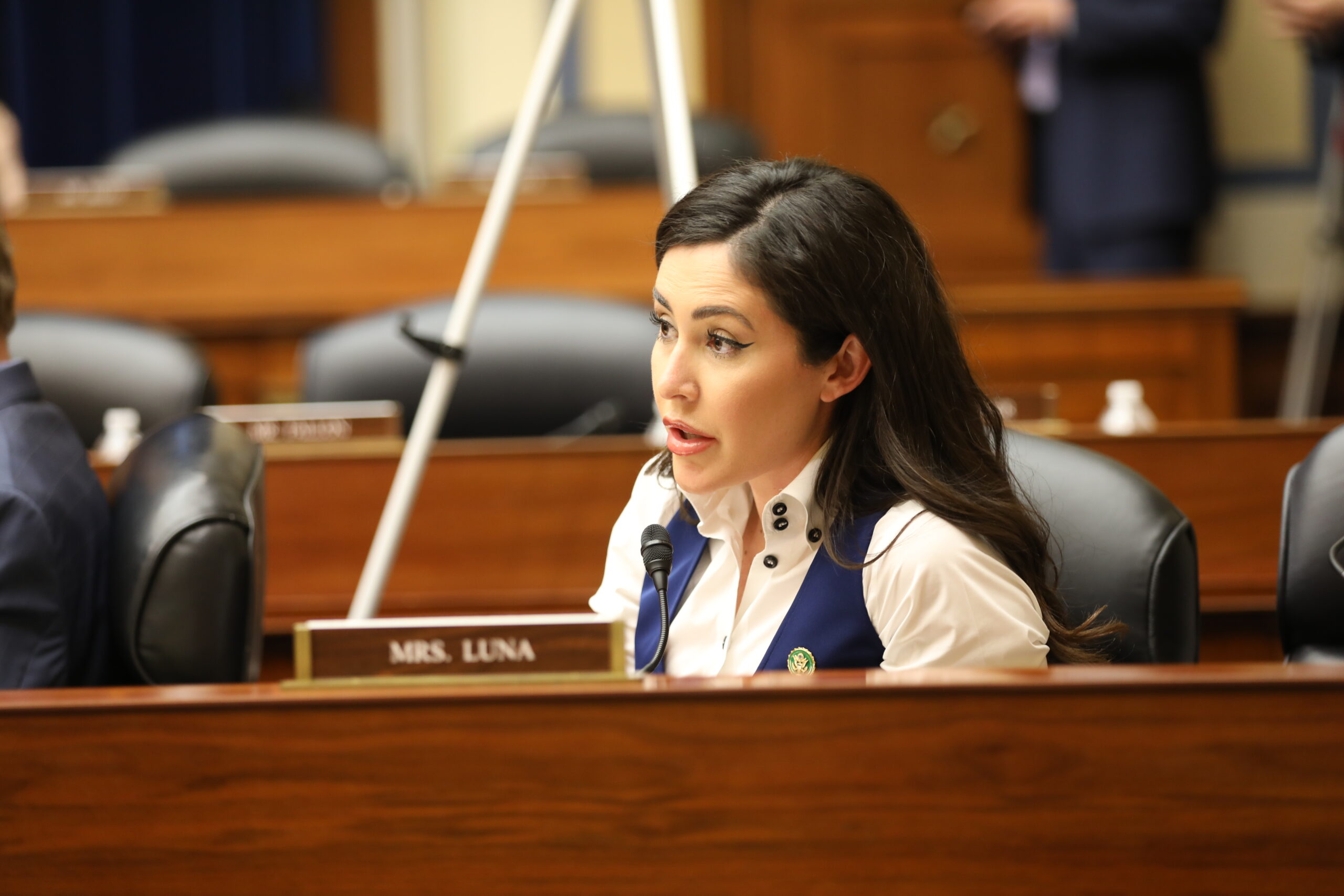
A single line — “Claude responded” — visible in a screenshot circulating on X turned a routine amendment summary into a congressional controversy. The image, tied to the FY2027 National Defense Authorization Act, sparked immediate accusations that AI had been used to draft actual defense legislation. Rep. Anna Paulina Luna pushed back hard, insisting the truth was far more mundane. But the episode exposed something uncomfortable: nobody has clear rules for where AI belongs in the lawmaking process.
Luna’s Explanation Shifted — Twice #
The congresswoman’s defense evolved from “corrected a draft” to “spellcheck on a summary.”
Luna’s initial post on X suggested her staff had used AI to correct a draft. She later narrowed that claim considerably, saying the tool was used for spell and grammar checking on an amendment summary — not the amendment text itself. “NO legislation is ever drafted with AI,” Luna stated, adding that the House Legislative Council produces all bill text and is prohibited from using AI. The key distinction in her defense: the screenshot showed an AI-generated summary, not formal legislative language.
Here are the facts worth keeping straight:
- The screenshot showed “Claude responded” inside an amendment summary for the FY2027 NDAA
- Luna first implied AI corrected a draft, then revised to say it was spellcheck on a summary only
- The House Legislative Council drafts actual bill text and reportedly bars AI use
- The FY2027 defense bill itself contains provisions governing military AI applications
- Judges have already confronted AI-generated court filings containing fabricated citations
The Defense Bill That Regulates AI Got an AI-Assisted Summary #
The irony writes itself — almost literally.
The NDAA in question reportedly includes language limiting certain AI uses in the military and requiring the DoD to address AI-related risks and biosecurity concerns, according to Sen. Kirsten Gillibrand. A defense bill regulating AI had its own amendment summary flagged for AI involvement. That’s like your home security system getting burglarized.
Luna characterized the use as routine — “spell/grammar check,” she says. Other lawmakers have publicly acknowledged using ChatGPT in legislative work. The question isn’t whether congressional offices use AI tools. The question is where assistance becomes authorship, and right now that line has all the structural integrity of a Jenga tower at round fifteen.
This isn’t really about one congresswoman or one screenshot. The episode suggests that disclosure norms for AI assistance remain dangerously underspecified across institutions far beyond Capitol Hill — and the closer those institutions get to binding law, the sharper that problem becomes.