A three-decade chip partnership pivots toward agentic AI, XR eyewear, and next-generation wearables across the full Galaxy lineup
Qualcomm and Samsung have been working together for roughly 30 years. Now, the two companies are betting that their next chapter stretches from flagship foldables to smartwatches to intelligent eyewear powered by Android XR.
At Galaxy Unpacked on July 22, 2026, the companies announced a significant expansion of their partnership.
What actually got announced #
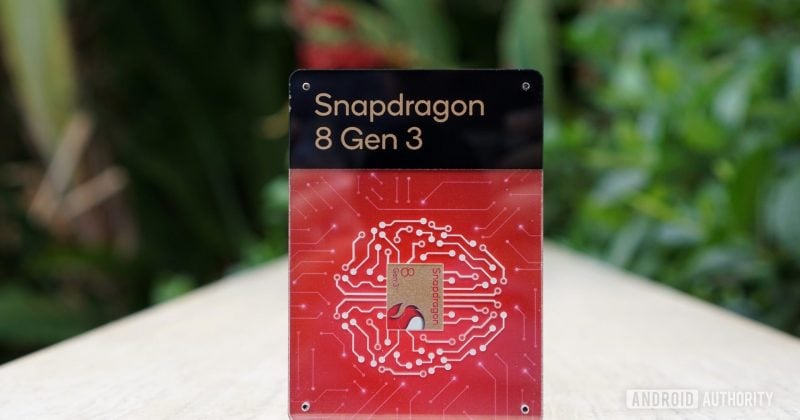
The centerpiece of the expansion is the Galaxy Z Fold8 series, which runs on the Snapdragon 8 Elite Gen 5. The chip supports up to 16 GB of RAM and 1 TB of storage, specs that matter less as bragging rights and more as infrastructure for on-device AI models that actually need room to breathe.
Samsung’s new Galaxy Watch Ultra2 and Watch9 will both run on the Snapdragon Wear Elite platform, marking Qualcomm’s deeper integration into Samsung’s smartwatch hardware.
Qualcomm and Samsung are also collaborating on intelligent glasses through the Android XR ecosystem, a platform developed alongside Google. The Galaxy XR headset specifically runs on the Snapdragon XR2+ Gen 2, with a broader global rollout planned through 2026.
Why a chip deal is actually a market positioning story #
Both companies face pressure from vertically integrated rivals who control their chip, software, and device layers simultaneously. Apple is the obvious example, but Chinese manufacturers with custom silicon ambitions represent a longer-term structural threat to this kind of horizontal partnership.
By expanding Snapdragon’s footprint to cover AI experiences across multiple Galaxy generations, including devices going back to the Galaxy S24 and S25, Qualcomm is making a case that its platform is sticky in a way that pure silicon horsepower cannot guarantee. Agentic AI, the term both companies are leaning into, refers to AI that can take multi-step actions autonomously rather than just answering a single question.
The partnership also gives Samsung cover as it navigates its own semiconductor foundry business. Qualcomm and Samsung have been expanding cooperation on the foundry side as well, meaning Samsung’s chip fabrication arm stands to benefit from producing the very processors going into Galaxy devices.
What investors and watchers should track #
The Android XR angle is worth watching closely because it determines whether this is a closed Samsung-Qualcomm product or the foundation of a broader third-party developer ecosystem. Google’s involvement here is not incidental. Android XR gives the entire stack a software layer that neither Qualcomm nor Samsung could build alone at the same speed.
On the wearables side, the Snapdragon Wear Elite integration is the kind of move that takes a few product cycles to prove out. More on-device capability means a better user experience in low-connectivity environments and a stronger privacy story.
For Qualcomm shareholders specifically, the Samsung partnership expansion represents a bid to defend premium Android market share. Galaxy devices represent a significant portion of global flagship Android shipments, and keeping Snapdragon as the default engine across phones, watches, and eventually glasses locks in a recurring revenue relationship that goes well beyond a single product cycle. The risk is that Samsung’s own Exynos chip ambitions eventually reassert themselves in certain markets, as they have before. Disclosure: This article was edited by Editorial Team. For more information on how we create and review content, see our