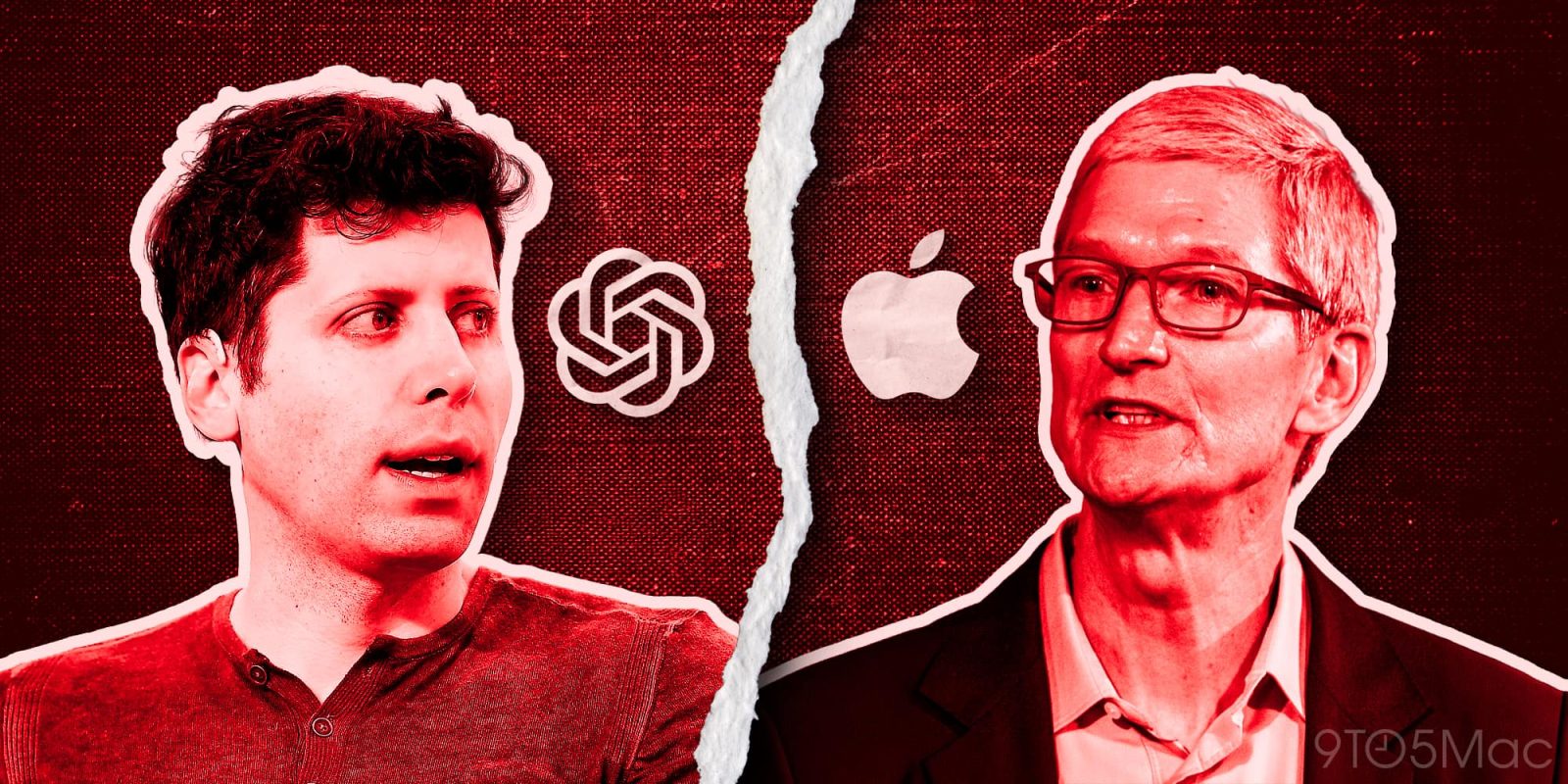
OpenAI responds to Apple's legal claims of trade secret theft, marking a significant clash between two tech giants. What's at stake in this courtroom drama?
The clash between two tech titans, Apple and OpenAI, just heated up. OpenAI has finally broken its silence following Apple's lawsuit, which accuses it of trade secret theft. As these industry giants butt heads, the AI-AI Venn diagram is getting thicker.
The Accusation #
Apple, a company with a reputation for safeguarding its innovations, alleges that OpenAI has stolen trade secrets. The details of the lawsuit remain tightly under wraps, but it's clear the implications could ripple through both companies' trajectories. If Apple's claims hold water, OpenAI could face serious repercussions that extend beyond financial penalties.
But why should you care? In an era where intellectual property serves as a vital currency, breaches can shift competitive landscapes drastically. The question isn't just who holds the rights, but how this power struggle might shape the next wave of AI technologies.
OpenAI's Defense #
OpenAI has addressed these allegations with a firm rebuttal. The company denies any wrongdoing and insists on its commitment to ethical AI development. Has OpenAI managed to stay within the lines of technology ethics, or is this a strategic maneuver to dodge culpability? This isn't a partnership announcement. It's a convergence where legal and technological ethics collide.
OpenAI's response suggests confidence, but the stakes couldn't be higher. If the court sides with Apple, the precedent could alter how AI firms navigate intellectual property boundaries. The compute layer needs a payment rail, and if agents have wallets, who holds the keys?
Impact and Implications #
Legal battles like this aren't just for the lawyers. They're blueprints for future tech development. For other AI enterprises, the resolution could dictate best practices and set boundaries on innovation. Is this the case that will define the rules of engagement in AI development?
The industry waits with bated breath. Whether Apple's or OpenAI's position prevails, the outcome might redefine how tech giants guard their secrets. From a broader perspective, this legal duel is more than just corporate squabbling. It's a litmus test for how intellectual property laws adapt to rapid technological advancement.
In the end, this case is about more than just who wins or loses. It's a glimpse into the future of AI innovation and the legal frameworks that will either enable or stifle it. We're building the financial plumbing for machines, and this court case is just the beginning.
Get AI news in your inbox
Daily digest of what matters in AI.