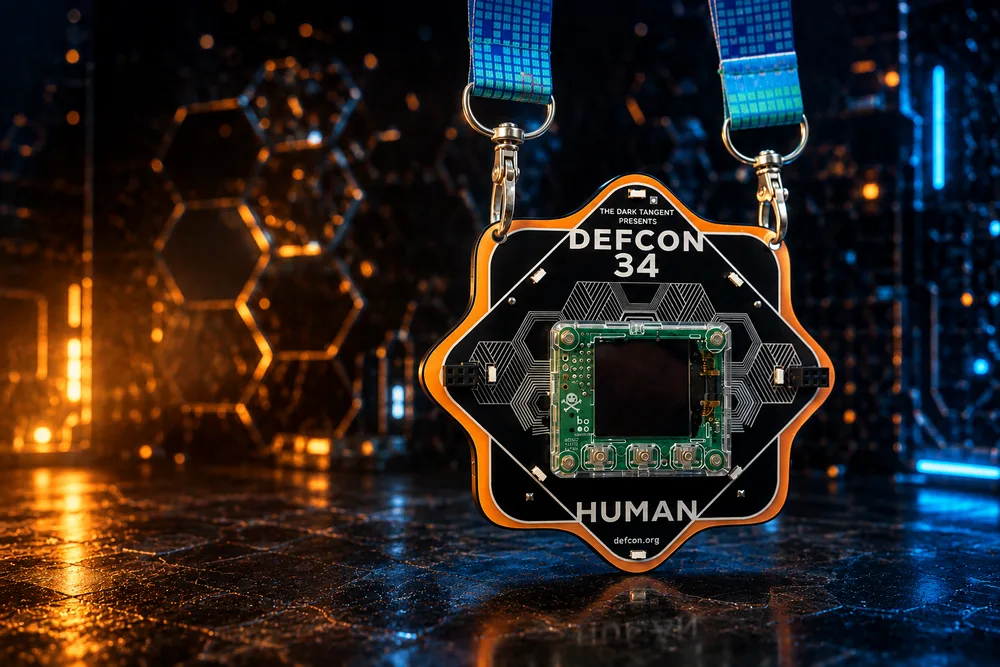
When hardware is open source, it undergoes a level of stress-testing that no internal QA department could ever replicate. You get thousands of independent researchers trying to break the system, finding edge-case vulnerabilities, and submitting patches. This cycle of "attack and repair" is what actually hardens a system.
If you are looking to integrate open-source hardware into an AI workflow or a secure LLM agent deployment, here is a practical look at why this approach beats proprietary chips: Auditability: You can verify exactly how data moves through the gates, ensuring there are no hidden "backdoors" or telemetry leaks.Rapid Patching: When a vulnerability is found, the community often pushes a fix before the vendor would have even acknowledged the bug.Vendor Independence: You aren't locked into a single company's roadmap or pricing whims.Verifiability: You can use formal verification tools to mathematically prove that the hardware does what it claims to do.
For those wanting to move away from black-box hardware, starting with RISC-V is the most logical path. It provides a foundation for a completely transparent compute stack. If you're building a local AI environment from scratch, choosing open-standard hardware ensures that your security isn't dependent on a proprietary binary blob that you can't read. The shift toward inspectable hardware is similar to how Linux dominated the server market. The sheer volume of eyes on the code made it more stable and secure than any single commercial OS of the time. We are seeing that same pattern emerge in silicon. Instead of fearing that "showing the blueprints" makes it easier for hackers, we should realize that it makes it impossible for vulnerabilities to stay hidden.
A real-world deployment of an AI agent requires a chain of trust. If the hardware layer is a mystery, the entire prompt engineering effort and software security layer are built on sand. Moving toward verifiable hardware is the only way to actually guarantee the integrity of the weights and the data being processed.
Next Accel just raised $550M for India in a few weeks →