The Lede #
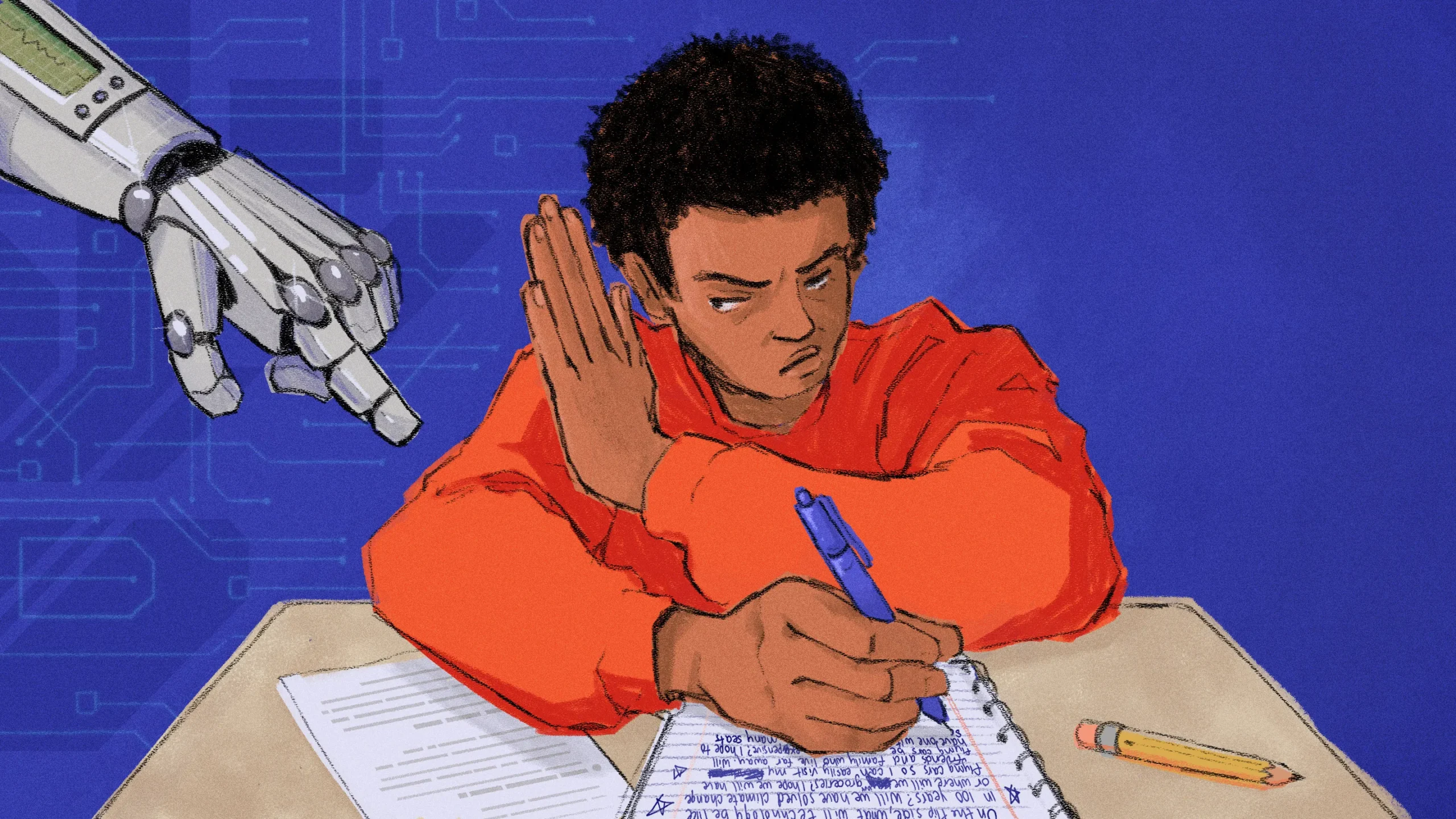
Norway has taken one of the world’s most aggressive stands against artificial intelligence in schools, announcing a near-total ban on generative AI for children ages 6 to 13 starting in late August 2026. The bold policy represents a significant shift in Nordic education strategy and positions the Scandinavian nation as a global leader in protecting children from early technology dependency.
The Norwegian AI Ban: What You Need to Know #
Prime Minister Jonas Gahr Støre announced the restrictions on Friday, June 19, 2026, declaring that the rules would take effect when students return to school in August. The policy creates a tiered system of AI restrictions based on age groups, with the strictest limitations applied to the youngest students.
AI Restrictions by Age Group
Ages 6-13 (Grades 1-7): Near-total ban on generative AI toolsAges 14-16 (Lower Secondary): Limited use under direct teacher supervisionAges 17-19 (Upper Secondary): Encouraged to learn responsible AI use for future education and work
Why Norway Is Banning AI in Schools #
According to Støre, the government’s decision stems from a critical concern: young students must master foundational academic skills before relying on AI tools.
“Using AI increases the risk that young children skip important steps in their education. The most important thing in school is that our children learn to read, write and do mathematics.” — Prime Minister Jonas Gahr Støre
This rationale reflects broader concerns about generative AI in education, including:
Cognitive Development: Early exposure to AI tools may prevent children from developing critical thinking, problem-solving, and writing skills during crucial developmental windowsData Privacy Risks: Generative AI models often collect and process personal data in cloud environments, potentially outside the EU, raising serious concerns under GDPR and Norwegian privacy lawsContent Safety: AI systems can produce age-inappropriate content, generate convincing falsehoods, and inadvertently reinforce biasesLearning Outcomes: Norway’s declining test scores provided urgent motivation for the policy change
Part of Norway’s Broader Tech Restriction Strategy #
The AI ban is not an isolated measure. Norway has been systematically reducing technology in schools following impressive results from previous policies.
Recent Norwegian Education Technology Policies
2024 Smartphone Ban:
Norway prohibited smartphones in classrooms, requiring students to store devices during school hours. The results have been remarkable:
- Significant decrease in bullying across schools
- Improved grade point averages
- Reduced visits to school psychologists for mental health issues, particularly among female students
2026 Social Media Ban (Proposed): The government announced legislation to ban social media access for children under 16, with a parliamentary vote expected by the end of 2026.
Book Investment Initiative:
Norway plans to propose legislation increasing funding for book purchases in classrooms, signaling a reversal of the trend toward digital tablets.
Global Context: How Norway Compares #
Norway’s AI ban is among the most definitive policies globally, though the nation is not alone in addressing AI in education.
International Response to AI in Schools
European Union
The EU’s AI Act, which took full effect in early 2026, classifies educational AI as “high-risk,” requiring transparency, human oversight, and age-appropriate design. However, it does not prescribe specific age limits.
Australia
Australia implemented a world-first social media ban for children under 16 in December 2025, making it a potential template for age-based digital restrictions.
United Kingdom
The UK is pursuing its own social media ban for under-16s, reflecting growing international concern about youth technology exposure.
China
China mandates that AI tools used by minors undergo government safety reviews and requires data to be stored domestically.
United States
The Senate Judiciary Committee unanimously advanced the GUARD Act (Guidelines for User Age-verification and Responsible Dialogue Act) in April 2026, though the bill focuses on “AI companions” rather than general AI tools.
What This Means for Norwegian Schools and Students #
The implementation of Norway’s AI ban will require significant coordination across the education system. The Norwegian Directorate for Education and Training will need to revise curricula explicitly addressing where and how AI may be used at different grade levels.
Key Implementation Challenges
Technical Enforcement: IT administrators must audit software for hidden AI components and deploy policies to disable AI features on student devicesTeacher Training: The Ministry of Education has committed to an extensive upskilling program, with modules on AI literacy, ethics, and pedagogical integration required before 2026Infrastructure Updates: Municipalities must update IT infrastructure, procurement contracts, and teacher handbooksTimeline Pressure: Stakeholders have nearly three years to adapt, though many fear the timeline will be tight given rapid AI development
For students, the ban means that classroom AI tools like ChatGPT, Copilot, and other generative AI applications will be restricted for those under 14, though students ages 17 and above will receive instruction on responsible AI usage.
Data Privacy Considerations #
A significant driver of Norway’s decision is child data protection. Unlike many digital services, generative AI tools collect extensive personal data, including user prompts and interactions. For children under 13, this raises critical issues under both the Norwegian Personal Data Act and the EU’s GDPR.
Norway’s strict data protection traditions, consistent with GDPR requirements, make the country particularly sensitive to how minors’ information is processed by AI systems. The Norwegian Data Protection Authority (Datatilsynet) will issue detailed compliance guidelines for schools and AI service providers.
Looking Ahead: The Future of AI in Norwegian Education #
The government has promised a national awareness campaign to educate parents about the new restrictions and how to discuss AI at home. The campaign will emphasize that students can engage with AI outside school while building foundational skills in the classroom.
As Norway’s policy gains international attention, education systems worldwide are watching closely to assess its effectiveness. The tiered approach—restricting access for the youngest, supervising for teens, and encouraging responsible use for older students—may serve as a model for other nations grappling with AI integration in schools.
Whether this approach successfully prevents technology dependency while preserving educational outcomes will be closely monitored by policymakers globally. With implementation set to begin in August 2026, results should become visible within the next academic year.
Key Takeaways #
- Norway bans generative AI for children ages 6-13 in schools starting August 2026
- Students 14-16 can use AI only under teacher supervision; those 17+ can use it independently
- The policy follows Norway’s successful 2024 smartphone ban, which reduced bullying and improved grades
- Privacy concerns under GDPR and data protection laws drove the decision
- Norway plans to increase book funding and restrict social media for under-16s
- Global education systems are watching Norway’s approach as a potential model
- Implementation requires significant teacher training, curriculum revision, and technical infrastructure updates
About This Article #
This report is based on official announcements from Norway’s government on June 19, 2026, and subsequent coverage from Reuters, The Next Web, Engadget, and other international news outlets. The policy takes effect when Norwegian schools resume in late August 2026.