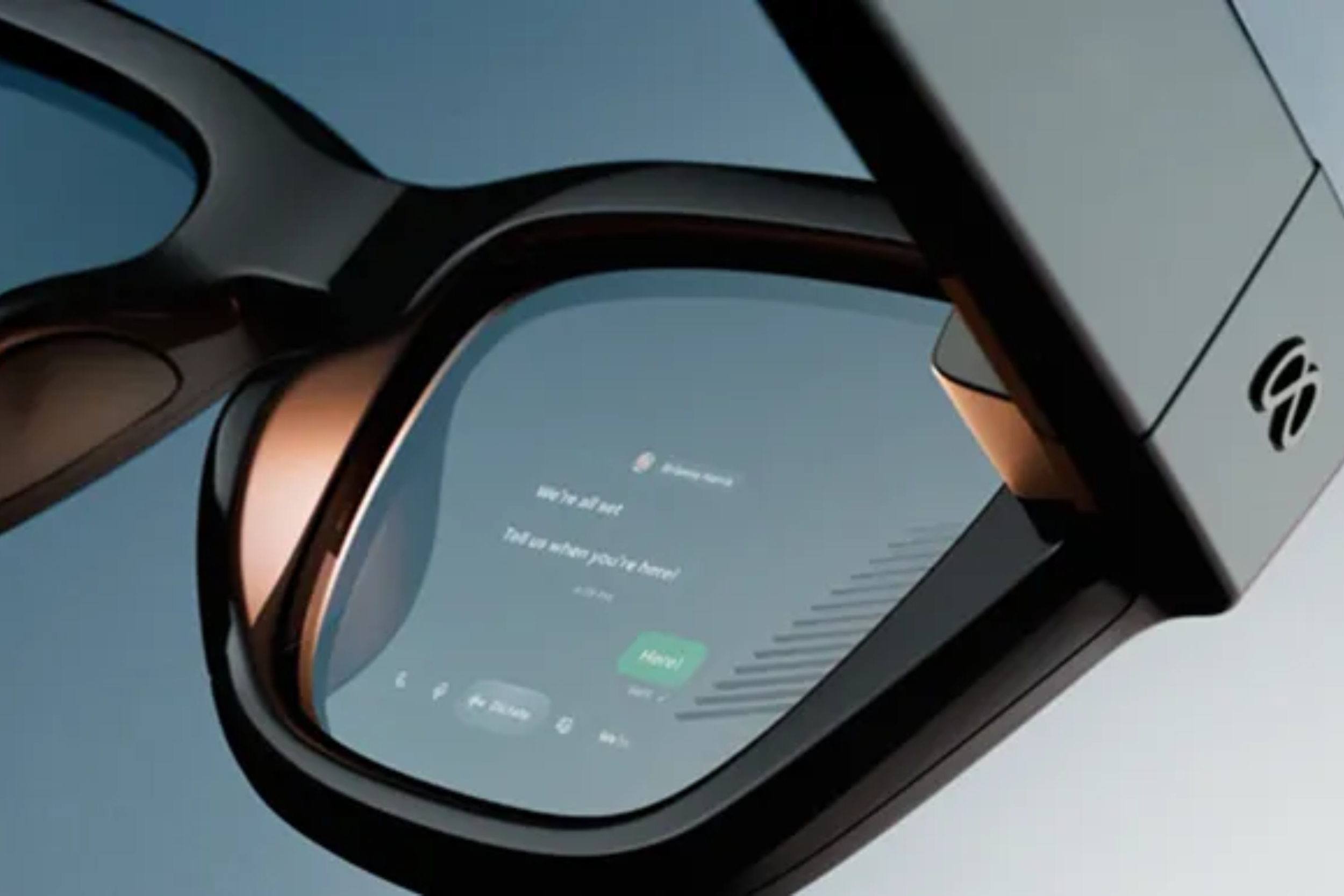
UK cinemas are weighing piracy and privacy protections against the accessibility benefits smart glasses provide #
British cinemas are preparing restrictions on Meta AI glasses and other camera-equipped eyewear over fears that customers could secretly record newly released films.
However, broad rules aimed at stopping piracy could also affect blind and partially sighted filmgoers who use smart glasses for navigation, environmental descriptions and real-time assistance from sighted volunteers.
The UK Cinema Association said policies would vary between operators, with some considering prohibitions and others preparing more limited restrictions. No nationwide ban covering every British cinema had been announced.
Cinemas Fear Covert Film Recording #
Unlike smartphones, smart glasses allow wearers to capture footage without holding a visible device in front of them. Their cameras can record from the user's perspective while appearing similar to conventional eyewear.
Cinema operators fear the technology could provide film pirates with a discreet way to record screenings. Copies captured inside cinemas can be distributed online while films are still showing exclusively on the big screen.
The concerns extend beyond copyright infringement. Customers and cinema employees could also be filmed without realising that a camera was operating nearby.
Meta says its glasses include a visible light that activates whenever the wearer takes a photograph or records video. The company also uses tamper-detection technology designed to disable recording when somebody attempts to obscure the indicator.
Critics argue that the small light may still be difficult to notice in a dark auditorium, particularly when customers do not know what to look for.
Blind Users Could Be Caught by Restrictions #
The same cameras causing concern can provide valuable assistance to people who are blind or have low vision.
Meta AI can describe objects and surroundings through built-in speakers, helping wearers understand what is in front of them. The glasses can also connect users with Be My Eyes, a service through which sighted volunteers view a live video feed and provide real-time guidance.
In a cinema, these functions could help a visually impaired customer read signs, find the correct screen, locate a seat or move through a crowded foyer without needing to hold a phone.
Other types of smart glasses can provide personal captions or additional accessibility services. Consequently, rules covering all camera-enabled eyewear could affect a wider group than Meta customers alone.
Meta has described the devices as important accessibility technology and warned that sweeping restrictions could reduce the independence of disabled users.
The UK Cinema Association acknowledged that smart glasses can benefit customers with specific access requirements. It said operators would continue reviewing their policies to ensure the response remained proportionate.
No Single Rule Across UK Cinemas #
The cinema industry has not introduced one universal policy. Individual operators are expected to decide whether customers must remove the glasses, disable their cameras or avoid using particular features during screenings.
That variation could create confusion for disabled customers, especially if one cinema permits assistive use while another treats the same device as prohibited recording equipment.
Accessibility advocates have argued that venues should punish unauthorised filming without automatically treating every person wearing smart glasses as a potential pirate.
Possible compromises could include allowing customers to declare an accessibility requirement, requiring recording functions to remain disabled during films or providing staff with training to distinguish assistive use from suspicious behaviour.
Clear information on booking pages could also prevent customers from arriving with technology they are not permitted to use.
Restrictions Spread Across British Venues #
Cinemas are not the first venues to confront the issue. Courts and tribunals across England and Wales now confiscate Meta smart glasses at the entrance because unauthorised photography and recording are prohibited inside judicial buildings.
Restaurants, pubs, theatres and private members' clubs have also introduced varying restrictions. Some venues ban the glasses completely, while others allow customers to wear them provided the camera remains switched off.
The growing patchwork of rules reflects a wider struggle to regulate technology that can serve as both an accessibility tool and a discreet recording device.
For cinemas, preventing piracy remains a legitimate commercial concern. The challenge will be stopping covert recordings without excluding the blind and partially sighted customers who use the same technology to experience greater independence. © Copyright IBTimes 2025. All rights reserved.