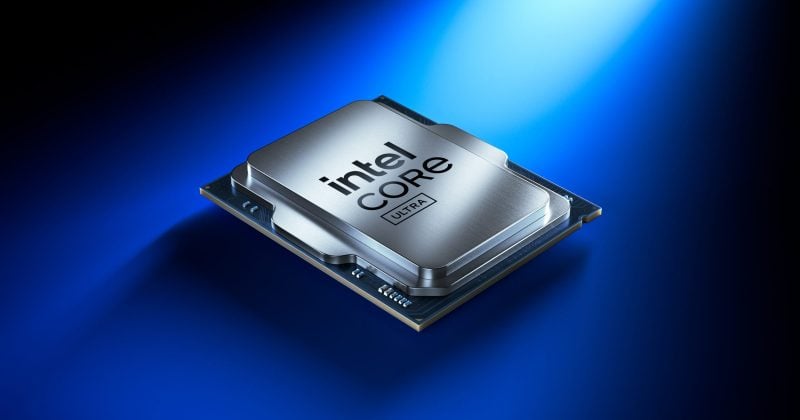
Intel's upcoming earnings report will reveal if the semiconductor giant can maintain its AI-fueled momentum.
Intel’s upcoming earnings report is set to serve as a bellwether for the ongoing AI-driven rally in semiconductor stocks. Scheduled to release its Q2 2026 results after the market closes on July 23, Intel is keenly watched as a key player in the semiconductor industry, especially regarding its performance in the burgeoning AI sector.
Can Intel’s AI bets pay off? #
The company has enjoyed a notable surge in stock performance, with shares reportedly climbing about 225% in 2026. It’s a rally built on optimism around AI, but the party isn’t without its hangover risks. July saw a sharp correction in semiconductor stocks, sparking investor concern over potential slowdowns in AI capital spending.
In Q1 2026, Intel didn’t just meet expectations, it beat them, driving a stock surge between 19% and 26%. It painted a rosy picture by raising revenue expectations to between $13.8 billion and $14.8 billion for Q2, well above the consensus estimate of around $13.07 billion. That’s the kind of hype that could turn Wall Street cartwheels: no wonder investors are watching closely.
The broader semiconductor picture #
Context is everything. The Philadelphia Semiconductor Index recently entered bear market territory, retreating over 20% from its late-June highs. Such market tumult underscores a broader scrutiny over whether AI spending has legs or if it’s just another speculative bubble. Intel’s resilience in this environment will be closely tied to its strengths in AI-focused foundry services and CPU developments.
And there’s the rub: the PC market isn’t the juggernaut it once was. Declining demand for traditional PCs places added pressure on Intel’s AI and data center segments to drive growth. Eyes will be on the data center’s performance and whether it compensates for the malaise elsewhere.
Implications for investors #
All this makes Intel’s Q2 results a potential make-or-break moment for investor sentiment. If the company demonstrates robust demand in its AI-related segments, it could validate the tech sector’s AI narrative. Success here not only reassures Intel’s shareholders but could also reinvigorate the entire semiconductor sector.
On the flip side, weak results may stoke fears of an AI investment bubble, potentially exacerbating the volatility exhibiting itself in indices like the Philadelphia Semiconductor. Investors in tech equities, already skittish due to economic uncertainties, might find any confirmation of AI headwinds as a prompt to reconsider their positions.
For traders and analysts, the real question is whether Intel’s performance can create a ripple effect across the sector. If it meets expectations, we might see renewed optimism not merely for Intel but for semiconductor equities intertwined with AI infrastructure. A miss, however, could prompt doubts about the sustainability of semiconductor gains, suggesting that AI has perhaps sprinted too far ahead in the marathon of technological innovation. Disclosure: This article was edited by Editorial Team. For more information on how we create and review content, see our