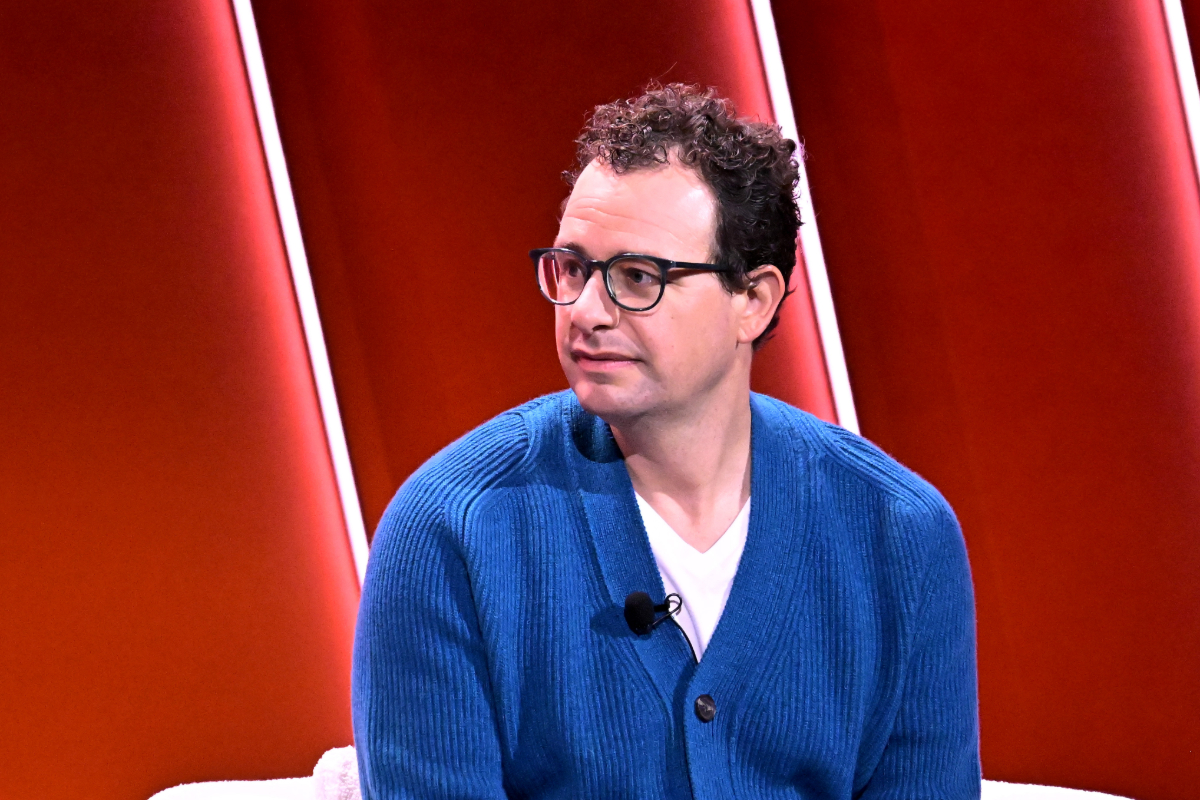
Former Anthropic researcher Jacob Coxon has been invited to give evidence to parliament following his stark warnings over the threat posed by AI, City AM understands.
Liam Byrne, chair of the Business, Innovation, Science and Trade Committee, told City AM that MPs have asked Coxon to appear as part of a parliamentary examination of AI safety. “We’ve invited him to come and talk to us in parliament”, Byrne said. “We’ll see what he says”.
Coxon quit Anthropic last week, warning that leading AI firms were “racing straight to self-improving superintelligence and gambling with our lives”.
He later told the BBC that people working inside AI companies were “genuinely frightened” and claimed there was a “strong chance that we could all die in the immediate future” if development continued at its current pace.
Other figures in the tech industry have disputed the claims, but they have prompted renewed scrutiny in Westminster of the UK’s largely voluntary approach to AI safety.
Byrne separately called the government’s AI Security Institute (AISI) to give evidence to MPs on 13 October.
In a letter sent to AISI director Henry de Zoete on Tuesday, Byrne said public concern over “unfettered, inadequately governed artificial intelligence development has multiplied”, citing Coxon’s resignation alongside warnings from Anthropic boss Dario Amodei and OpenAI chief Sam Altman.
When asked what authorities could do if an AI firm ignored safety warnings and released a dangerous model, Byrne said: “We don’t think the UK has safeguards to stop that peril”.
“I think that voluntary self-regulation is unlikely to be a sustainable safeguard for the future”.
UK cannot tackle AI risks alone #
Byrne said domestic regulation would not be enough on its own, arguing the US and China ultimately needed to agree on a regime for AI “strategic stability and safety”.
“My conversations with Chinese policymakers in the spring suggest that the Chinese would be pretty interested in this, because they actually see the risks”, he said.
If Washington and Beijing failed to reach an agreement, Byrne said the UK should work with Canada, Australia, Japan, South Korea and the EU. “The UK isn’t going to be able to create a safety regime that has got enough leverage on its own”, he said.
Collectively, however, he said countries could use access to the European consumer market as leverage over major AI firms. “If you begin jeopardising access to that market, then you begin to do immediate damage to hyperscalers’ valuations”, Byrne said. “We’re not without leverage if we act together with other middle powers”.
He also warned that open-weight models could create a growing cyber security threat if used by criminal groups, and suggested Britain may eventually need a government-backed safety net for the cyber insurance market.
But he acknowledged concerns from AI companies that politicians could move too quickly. “Lots in the industry think, for example, that the EU AI Act is too heavy-handed”, he said.
British AI firm Synthesia told City AM that policymakers risk responding to “theoretical risks” and a “Silicon Valley AI doomer bubble”, while Cohere has argued for regulation based on demonstrated risks rather than rules determined by a small group of leading AI developers.
Byrne said poorly designed regulation was a risk, but argued confidence in the technology was necessary for its wider adoption.
“If you actually want to grow the market for AI in the medium to long term, then you’ve got to maximise trust”, he said. “And you can’t maximise trust if nobody thinks it’s safe”.
The government has left the door open to tougher rules, telling City AM this week that it “should not assume that the existing framework will always be sufficient as AI capabilities develop”.
Louise Haigh also warned on Tuesday of “huge risks to our national security and society if the right guardrails are not put in place”.
Byrne said the October hearings would give “whistleblowers, industry and regulators” a chance to set out their concerns over the current system.