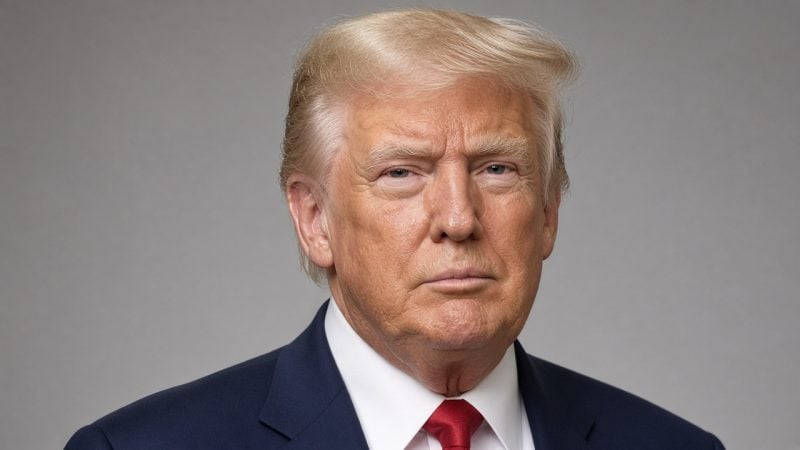
The two-day state visit will bring tech CEOs like Sam Altman and Jensen Huang to Washington as the world's two largest economies try to find common ground on artificial intelligence
President Donald Trump will welcome Chinese President Xi Jinping to Washington on September 23 for a two-day summit that puts artificial intelligence at the center of US-China diplomacy. Xi is expected to arrive at Joint Base Andrews, with a state dinner planned for September 24 that reads like a who’s-who of Silicon Valley power brokers.
The guest list for that dinner includes Sam Altman of OpenAI, Jensen Huang of Nvidia, and Tim Cook of Apple.
What’s actually on the table #
The summit agenda spans AI safety, trade tariffs, rare earth mineral supplies, and technology export controls. Trump and Xi previously met in Beijing on May 14-15, 2026. AI came up during those discussions, but the two sides walked away without any formal agreements. Chip export controls, one of the most contentious issues in the bilateral relationship, weren’t even discussed.
This time around, preparatory talks have been led by US Treasury Secretary Scott Bessent and Chinese Vice Premier He Lifeng. The two have been working to weave AI discussions into broader economic negotiations.
One important guardrail has already been set. US officials have signaled they will not trade relaxed AI export controls for Chinese assurances on rare earth mineral supplies.
The news moving money, markets, and the world—before your day starts.
Daily. Free. Join 34,000+ readers across crypto, finance, and policy.
The stakes beyond the handshake #
Trump has publicly described AI as potentially more consequential than the internet. The summit is expected to touch on shared risks from AI, including cyber threats and the potential consequences of a full bifurcation in US and Chinese tech ecosystems.
Market and industry implications #
Nvidia, whose chips power the vast majority of AI training workloads globally, sits at the intersection of nearly every issue on the agenda. Jensen Huang’s presence at the state dinner is symbolic, but the regulatory decisions that flow from these talks could have very real consequences for the company’s ability to sell advanced chips to Chinese customers.
Discussions around AI regulation and standards at the summit could shape compliance requirements for companies operating across both markets. Firms building AI products may need to account for divergent regulatory regimes in the US and China, which adds complexity and cost to global operations.
Disclosure: This article was edited by Editorial Team. For more information on how we create and review content, see our