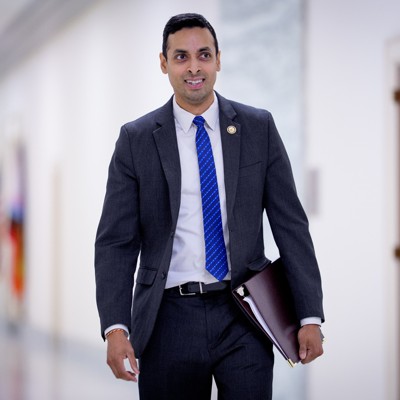
Rep. Suhas Subramanyam, D-Va., is pushing for a September markup of the landmark AI legislation along with new language on model containment following the OpenAI-Hugging Face incident. #
A Democratic lawmaker hopes to include language prescribing large language model containment practices in pending House legislation on artificial intelligence in the wake of the OpenAI models' attack on Hugging Face networks.
Rep. Suhas Subramanyam, D-Va., gave updates on the House’s AI-related legislative plans during a Center for Strategic and International Studies event on Monday. He said the OpenAI models’ breach from containment environments during routine testing has prompted potential updates to the pending FRONTIER Act, which was introduced in July by Reps. Jay Obernolte, R-Calif., and Lori Trahan, D-Mass.
“There's a lot of things that we're trying to fine-tune in the bill, and we're going to be working on that in September,” Subramanyam said. “A lot of what we're doing in the bill is encouraging third parties to be involved with the companies along the way, to make sure there's containment in place. It's assumed in the bill that we're going to be doing a lot on containment, but one of the things I'm going to be working on is trying to see if we can get explicit containment prescription guidelines in the bill to do that.”
Currently, the bill’s language features risk mitigation efforts that hinge on independent safety evaluations and assessments of the lifecycle of a given model, including training and deployment, along with auditing ongoing compliance efforts. It also explicitly mandates the creation of a vehicle to report critical safety incidents related to AI models.
Subramanyam, who on Aug. 10 joined fellow lawmakers in signing a letter asking for OpenAI to disclose more information about the containment breach, said the window for Congress to act is closing.
“I'm hoping that by the end of the year … we, as a Congress and as a federal government, have at least worked towards solving the big concern about an AI model getting out and going a little crazy and doing a lot of harm to a lot of people,” he said.
Subramanyam added that he is actively looking for feedback on the best ways to codify containment strategies outside of voluntary participation from large AI developers.
Leadership at Hugging Face voiced support for a standardized incident reporting method as well. Ian Reynolds, the AI public policy manager at Hugging Face, also said at Thursday's CSIS event that it would be helpful for lawmakers and policy officials to improve the path to incident reporting on future agentic misalignment.
“We need better standardized disclosure and transparency requirements in this space to help build broader ecosystem resilience,” Reynolds said.