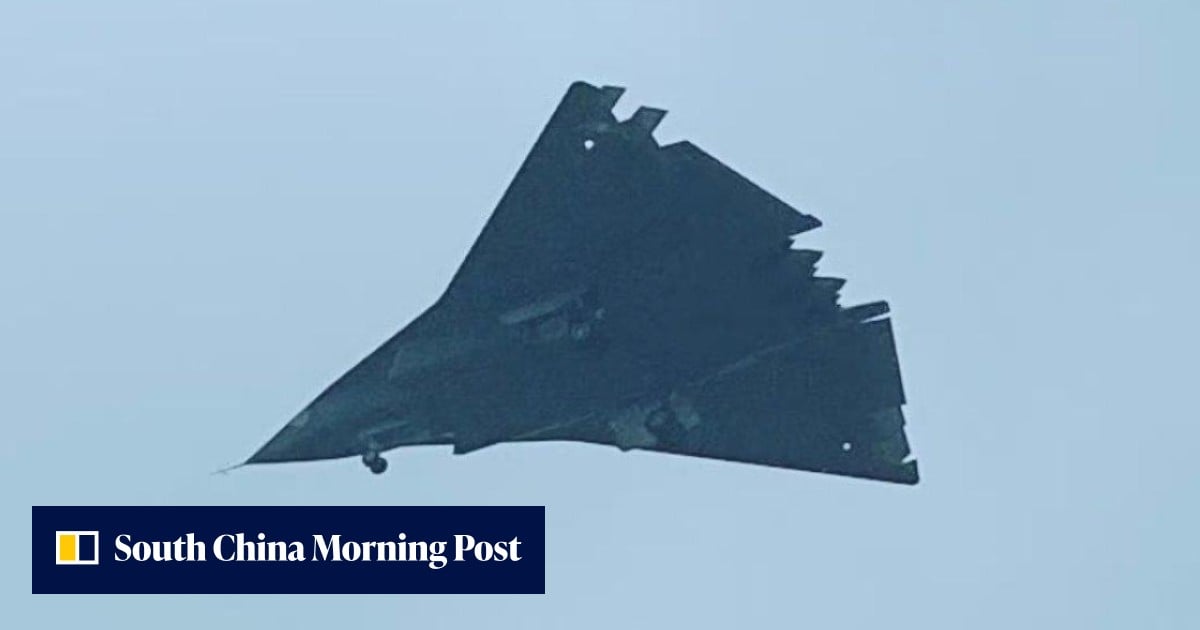
Content generated by artificial intelligence models can ‘defy basic physics, design principles or operational constraints’
Zhang Tongin Beijing Large language modelsare expert in intelligence work, able to quickly mine key data and analyse
weaponsperformance – tasks that once took analysts huge amounts of time and effort. next generation J-36 stealth fighters, have urged caution.
In a paper published on June 20, engineer Zhang Xianzhe said that “AI models can invent aircraft specifications – length, payload, weapons, speed, combat radius – and get radar scan ranges and frequency bands wrong”.
“The so-called hallucination effect, where models produce plausible but false outputs, could have severe consequences in the high-stakes, low-error world of defence intelligence, possibly even causing strategic miscalculations,” he said.
Zhang’s work was published in Information Studies: Theory & Application, a journal run by China’s state-owned arms maker Norinco.
According to the paper, every fighter jet begins with a deep understanding of the enemy and the battlefield. Designers must answer critical questions: what is the opponent’s radar coverage and which frequencies do they use?