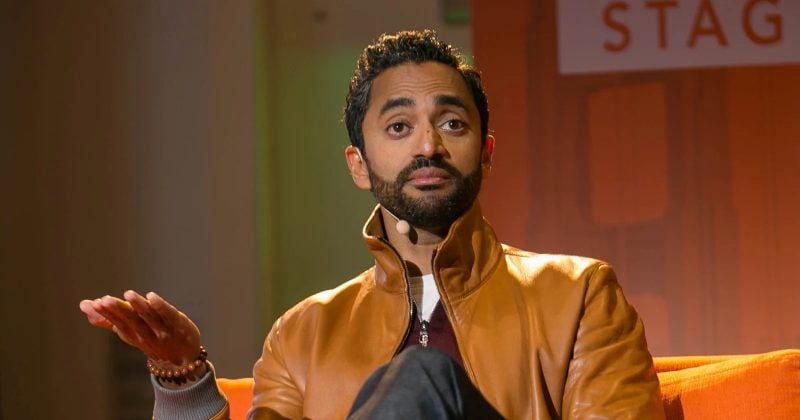
The venture capitalist argues restricting open-source AI models would saddle American companies with costs up to 50x higher than foreign competitors, with ripple effects across tech valuations and crypto markets.
Chamath Palihapitiya wants the US government to know something: if you ban open-source AI, you’re basically handing the rest of the world a competitive cheat code.
The venture capitalist and All-In podcast co-host posted on X on July 18 that the US should embrace open-source AI rather than restrict it. His core argument boils down to simple math. American companies could end up paying between $26 and $56 per million tokens for proprietary AI access, while foreign competitors using open-source models would pay roughly $0.50 to $1 for the same capability.
In English: that’s potentially a 50x cost disadvantage for US firms.
The economics of locking yourself out #
Palihapitiya didn’t mince words about what he sees as the inevitable outcome of restrictive AI policy.
“The future is open source. We need to embrace it and get on with it.”
He noted that AI token costs at his own company are doubling approximately every 45 days.
If the US government imposes export controls or outright bans on open-weight AI models, it doesn’t make open-source AI disappear globally. It just means American companies can’t use it. Meanwhile, competitors in China, Europe, and everywhere else continue building on freely available models at a fraction of the cost. Jack Dorsey, the former Twitter CEO, replied with a simple “yes” to Palihapitiya’s post.
What this means for markets and valuations #
If US companies suddenly face dramatically higher operational costs for AI integration, earnings estimates get revised downward. Margins compress. Valuations follow.

For investors watching this space, the signal is clear: pay attention to which companies have diversified their AI supply chains versus those that are all-in on a single proprietary provider.
The cost disparity Palihapitiya outlined, $26–$56 versus $0.50–$1 per million tokens, isn’t the kind of gap that markets can ignore for long. Either policy adjusts, or valuations do.
Disclosure: This article was edited by Editorial Team. For more information on how we create and review content, see our