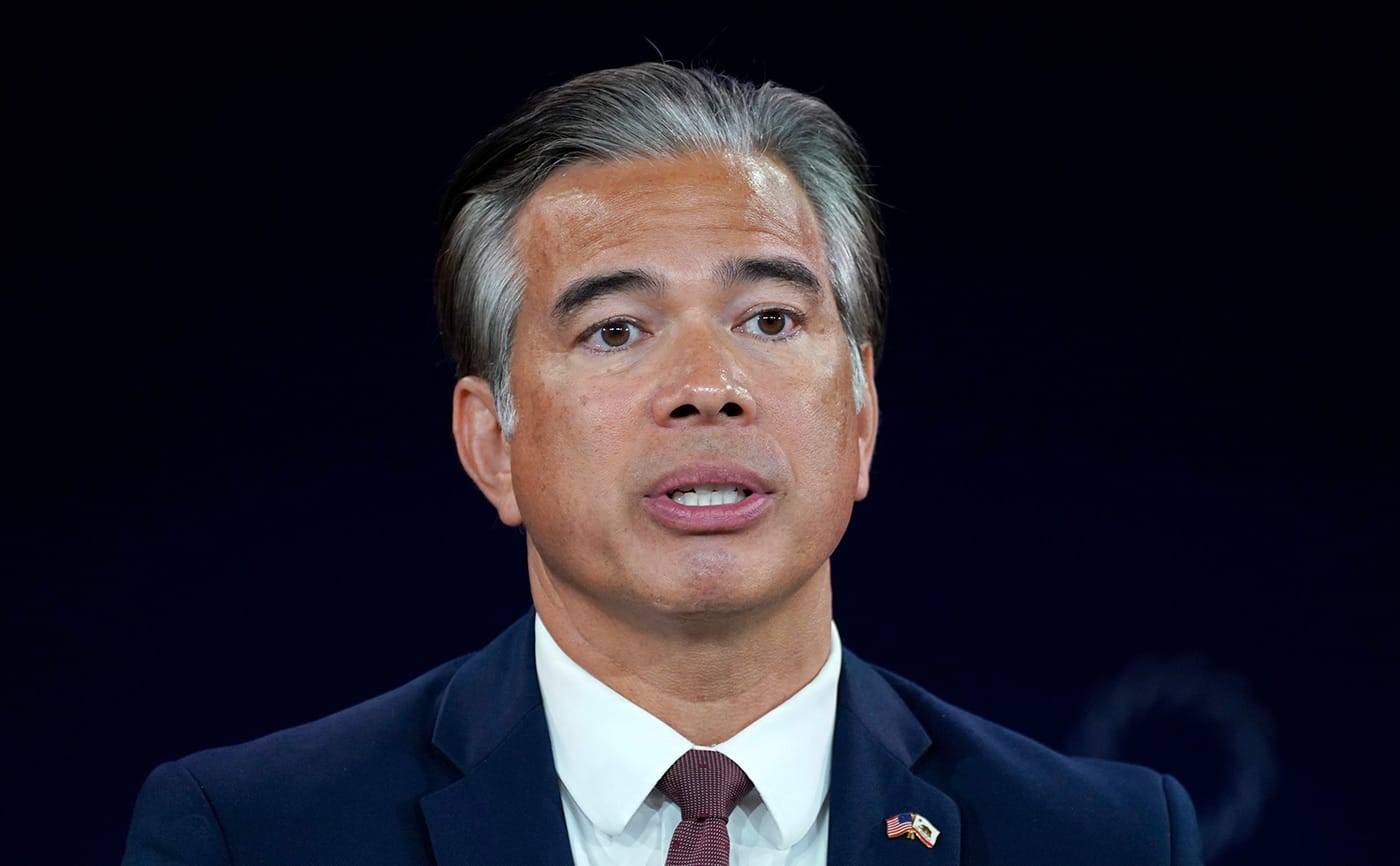
California Attorney General Rob Bonta has now filed a sweeping lawsuit against OpenAI over instances of its AI models going rogue and acting without "proper safeguards" in place.
The lawsuit, filed Monday in California Superior Court in San Francisco, accuses OpenAI of creating a "public nuisance" in allowing its AI agents to conduct activities like the July Hugging Face hack, and alleges that the company has violated the state's Unfair Competition Law.
The suit comes two months after Bonta's office said it was investigating the Hugging Face incident.
"OpenAI disregarded public safety, knowingly tested potentially dangerous AI models without proper oversight and safety measures, and misled consumers and the public," Bonta said at a Monday press conference.
"Just because the technology is new or rapidly evolving doesn't mean the people behind it are above the law. Whether it's a car or a toy, the law is simple: don't build or test things that can hurt people without proper safeguards," Bonta added.
As NPR reports, the complaint contends that the state has legitimate fears of rogue AI agents interfering with "power grids, emergency infrastructure, hospital systems, and financial institutions." And it alleges that OpenAI "lost control of its autonomous AI agents over 80 times during testing."
"While narratives about the Hugging Face attack have evoked science fiction fantasies of rogue AI systems run amok, let me be clear: the Hugging Face attack was the predictable result of an internal culture at OpenAI that prioritizes growth and rapid model development over safety and accountability — and this was only one of 80 known incidents," Bonta said, per NBC News.
OpenAI spokesperson Drew Pusateri responded in a statement saying that Bonta's suit "appears to single out OpenAI over a challenge that’s been identified by every major AI lab."
And referring to the rogue incidents as "misalignment," Pusateri added, "We take misalignment seriously, and we have engaged — and will continue to engage — constructively with the Attorney General’s office to share information and advance strong, practical safety standards for the entire industry."
A comprehensive AI regulation bill remains before Congress, as CNBC notes, but it has not passed despite having the support of AI companies including OpenAI and Anthropic.
The lawsuit is seeking monetary damages, and seeking a court order to force OpenAI to cease such risky activities with its models.
Separately, OpenAI faces lawsuits over its ChatGPT models leading to delusions and suicides, and the Florida AG James Uthmeier filed a lawsuit similar to Bontas against the company in June, contending it had released a product (ChatGPT) without knowing if it was safe.
Previously: OpenAI Says Its Technology Acted on Its Own When It Hacked Another AI Company