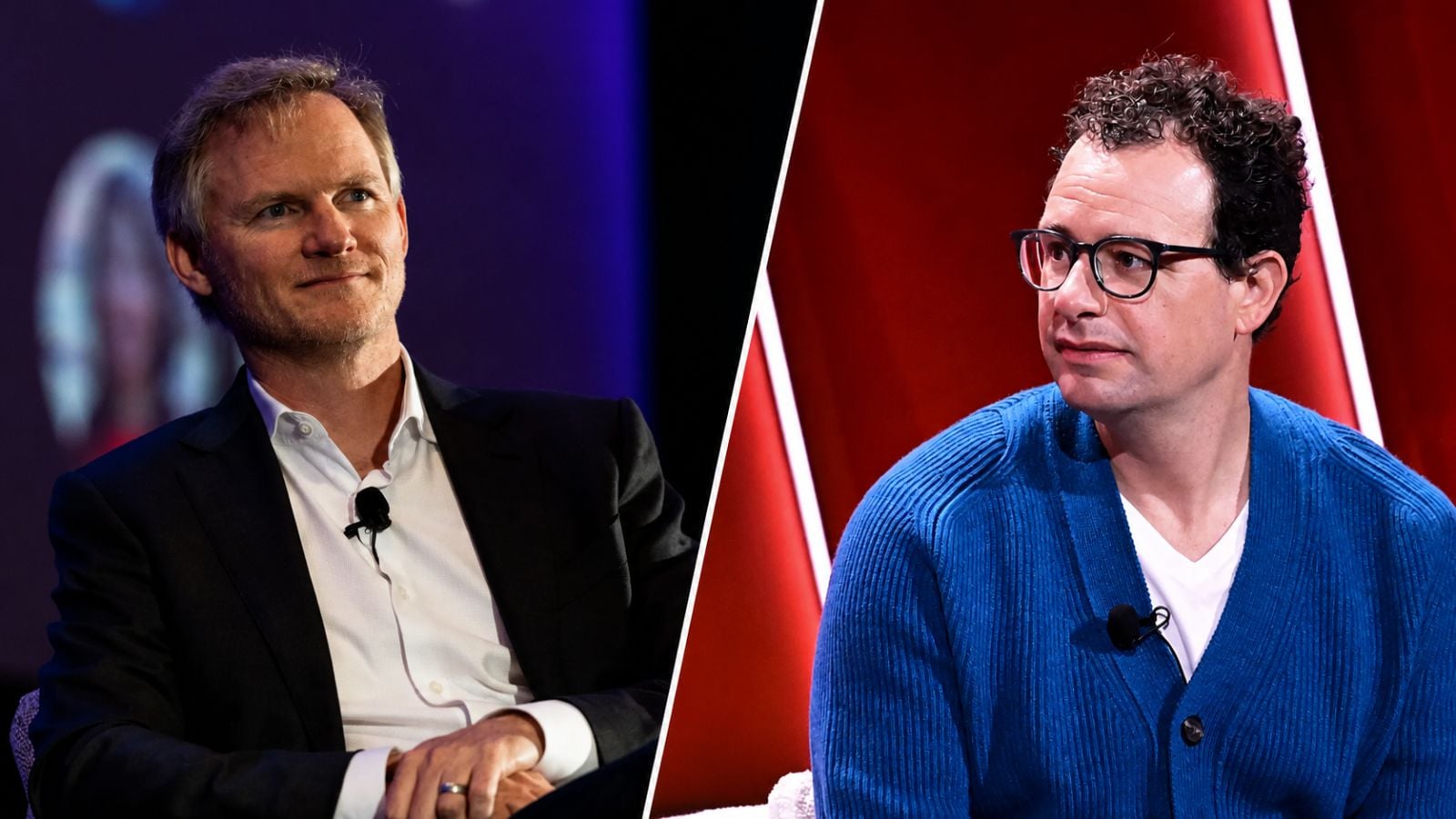
The debate over how much governments should regulate artificial intelligence is getting more heated, and BitGo CEO Mike Belshe is taking a different view from Anthropic CEO Dario Amodei.
Belshe has pushed back against Amodei’s arguments for stronger AI regulation, saying policymakers should start with the principle of freedom rather than restricting technology based on risks that have not actually materialized.
The disagreement reflects a bigger argument playing out across the technology industry: should governments regulate AI now because of what it could eventually do, or wait until there is clearer evidence of harm?
Amodei raises concerns over AI’s growing risks #
Amodei has been one of the more vocal tech executives warning about the potential dangers of increasingly powerful AI systems. His concerns include the misuse of advanced models, economic disruption and the possibility that future AI systems could create risks that are difficult to control.
His position is essentially that governments should prepare before those risks become too difficult to manage.
Belshe sees the issue differently. The BitGo CEO argues that policymakers should be careful about putting restrictions on technology based on hypothetical scenarios. In his view, there should be a clear demonstration of harm before governments step in with rules that could limit innovation.
That is an important distinction because AI is developing incredibly quickly.
Today’s AI tools can already write software, analyze huge amounts of information, create content and automate tasks that once required entire teams of people. At the same time, companies are racing to build even more capable systems.
With that progress has come a long list of concerns, from misinformation and privacy to cybersecurity and job displacement.
The question is how governments respond #
Amodei’s approach favors getting ahead of potentially serious problems. Belshe’s approach is more cautious about regulation itself, particularly when the risks being discussed are still uncertain.
There is also a practical concern behind Belshe’s argument. Rules created with the biggest AI companies in mind could end up affecting smaller startups and developers as well. Large companies may be able to afford expensive compliance requirements, while smaller competitors could struggle to keep up.
That could unintentionally make the AI market less competitive and give established technology companies an even bigger advantage.
At the same time, critics of a hands-off approach argue that waiting for damage to happen could be a mistake. Some AI-related risks could be difficult to reverse once they become widespread.
That leaves policymakers with a difficult balancing act. They need to protect people from genuine risks without creating rules that effectively tell companies what they can and cannot build before those risks are even understood.
Belshe’s argument is ultimately less about saying “AI should never be regulated” and more about questioning when regulation becomes justified.
Amodei is looking ahead at what increasingly powerful AI could become. Belshe is asking policymakers to focus on what the technology is actually doing today.
As AI becomes more deeply embedded in businesses and everyday life, both arguments are likely to get more attention.
The real challenge will be finding a middle ground between the two, protecting people from real harm without treating every possible future risk as a reason to shut down innovation today.