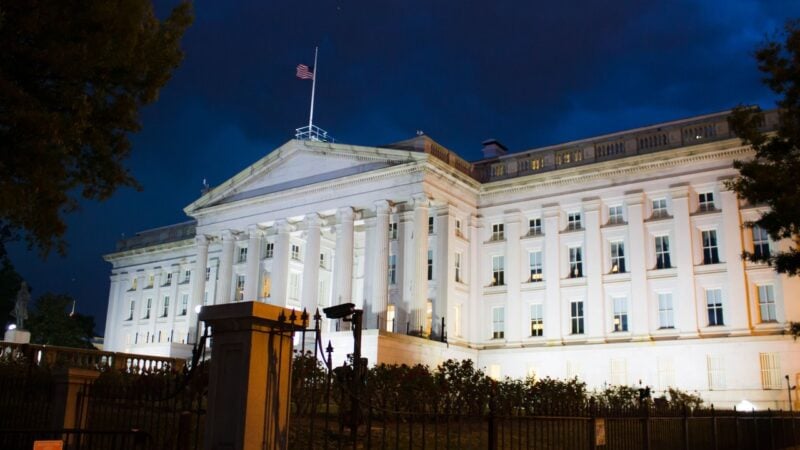
Photo: Thuan Vo / Pexels
The Treasury Secretary's comments arrive alongside compliance questions for Nvidia, a reported Hong Kong stockpile, and tighter export rules
Washington spent months arguing over whether China should be allowed to buy Nvidia’s H200 AI chips. Now Treasury Secretary Scott Bessent says China has barely bought any.
Bessent said China has placed few orders for the H200, despite US licensing approvals that cleared the way for sales.
Licenses granted, chips not moving #
Bessent’s remarks, made around November 15, 2026, went beyond weak demand. He pointed to what he described as potential compliance problems at Nvidia, according to the research findings.
He also raised the possibility that shell companies were being used to get around export restrictions. Singapore-based Megaspeed was named as one example. Bessent has demanded that Nvidia executives explain their shipping practices to Chinese entities within ten days.
The numbers make the gap between paperwork and reality hard to miss. Data released by the House Foreign Affairs Committee on November 19 shows that approximately 879,000 AI chips were licensed for export to China between December 2025 and May 2026.
Some of the biggest names in Chinese tech were on the list. Tencent received an allocation of 150,000 chips, while Alibaba was approved for 75,000.
Deliveries, however, did not follow. Approximately 600,000 H200 chips were reportedly sitting in Hong Kong warehouses as of mid-November 2026, with Chinese buyers showing little interest.
The research findings also describe a complete halt of H200 shipments by Nvidia, even though licenses had previously been granted.
The crypto and markets news you actually need—every morning.
Daily. Free. Join 34,000+ readers across crypto, finance, and policy.
How the H200 deal came together #
The H200 sales trace back to December 2025. That’s when President Trump authorized sales of the chip to select Chinese buyers.
The approval came with an unusual condition. The US government would take a 25% revenue share on those sales.
The weak uptake also fits a pattern flagged earlier by White House AI czar David Sacks. Sacks had previously observed that China prefers to build its own semiconductor capabilities rather than rely on American hardware.
According to the research findings, Chinese firms appear to be pivoting toward domestic alternatives.
New US licensing rules, effective mid-November 2026, require licenses for advanced chip exports to several countries, including Singapore and Brazil. The goal is to block suspected transshipment routes to China.
What this means for Nvidia and the chip trade #
For Nvidia, the immediate risk is reputational and regulatory rather than purely commercial. A Treasury Secretary publicly questioning a company’s compliance culture is not a routine Tuesday. The ten-day response window puts a clock on the issue and invites further scrutiny if the answers don’t satisfy Washington. The China market itself is also shifting. The original policy debate assumed Chinese companies were eager buyers held back only by US restrictions. If firms like Tencent and Alibaba are instead leaning toward domestic chips, the value of export approvals shrinks regardless of what Washington decides.
The new rules covering countries such as Singapore and Brazil widen the impact beyond China. Companies shipping advanced chips into those markets will face extra paperwork and closer oversight.
The administration approved H200 sales partly with revenue in mind, through the 25% share. Now it is raising alarms about how those chips move and is restricting additional routes.
Nvidia’s response to Bessent’s ten-day demand will show whether the compliance concerns deepen or fade. The fate of the roughly 600,000 chips reportedly stored in Hong Kong will indicate whether Chinese demand is d or gone.
Disclosure: This article was edited by John Chen. For more information on how we create and review content, see our Editorial Policy.