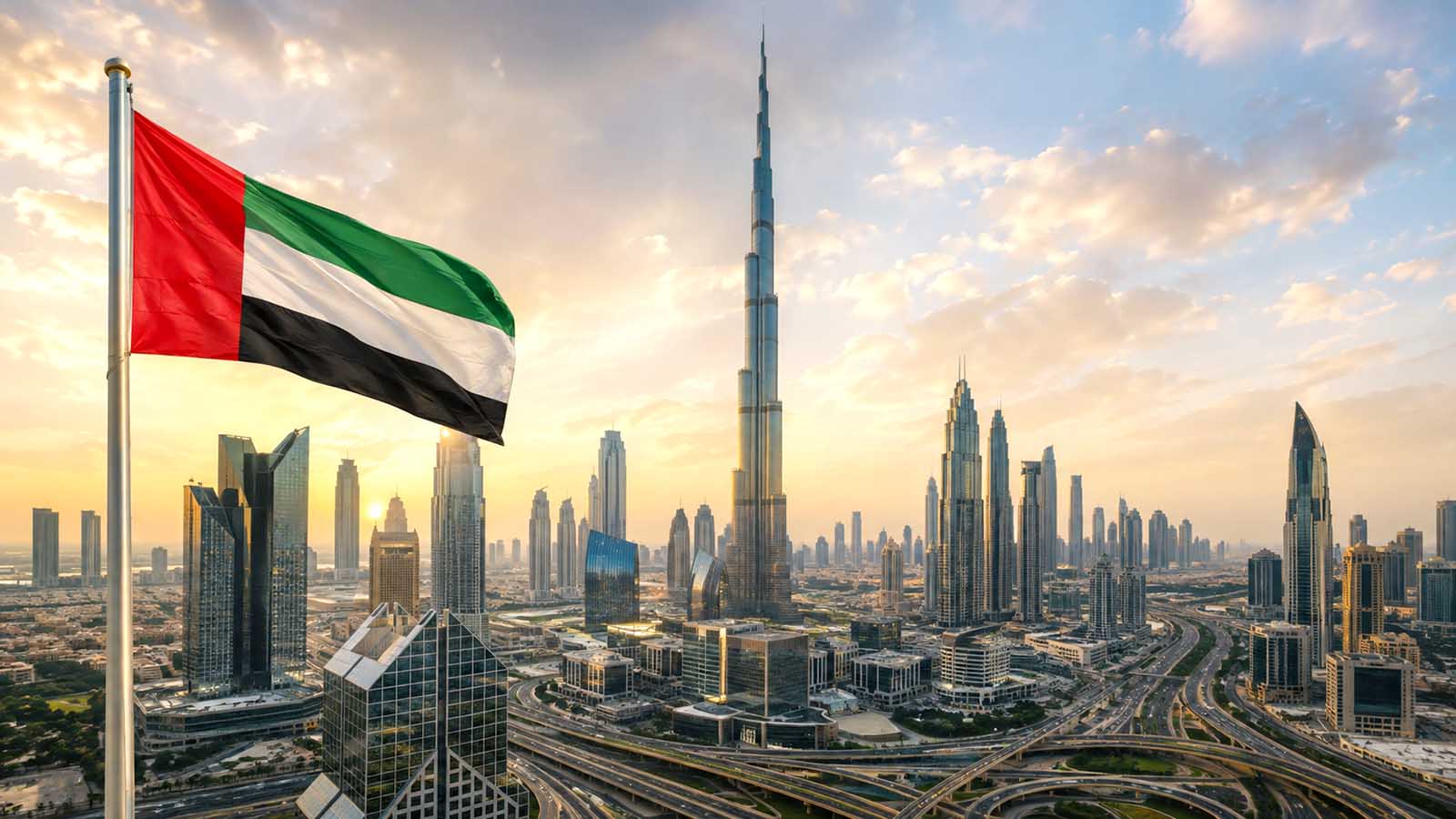
Boston Consulting Group (BCG) just put out its first-ever* Intelligent Cities Index*, and it shows Dubai snagging the number two spot in the world for artificial intelligence (AI) and intelligent technology adoption, looking at 61 cities in 39 different countries.
The report really shines a light on Dubai as the world’s top-performing city in AI adoption and smart city solutions. Hamad Obaid Al Mansoori, Director General of Digital Dubai, commented that the ranking reflects the success of the United Arab Emirates (UAE) leadership’s vision for digital transformation and AI as strategic priorities.
What the *** Intelligent Cities Index* measures**
Intelligent Cities Index
When you look at how this index actually works, it breaks things down into five main pillars: outcomes, strategy, adoption, ways of working, and enablers, and it digs into 35 different indicators across 14 dimensions of digital transformation.
It basically looked at how well these cities are actually putting AI and digital technologies to work so they can offer up tangible benefits and access for both the residents and the local businesses that make things work out, while also giving urban competitiveness and sustainable development a big boost.
Now, London was the one that actually took the very top spot on the index overall, followed right behind by Dubai, New York City, Washington, and Amsterdam to finish out that top five list. Seeing Dubai do so incredibly well in AI adoption goes to show just how successful the city has been at taking all those super advanced technologies and turning them into real-life, practical solutions that actually create measurable value for everyone involved.
The AI adoption edge
The report found that cities embedding AI at the core of their services are achieving faster and more sustainable improvements in service delivery and quality of life. Leading AI-powered cities maintain a broader portfolio of practical AI applications and consistently record higher levels of resident satisfaction.
The findings suggest a growing shift toward positioning AI as a core element of city operating models rather than as a supporting technology. On top of that, the report found that the more people use generative AI, the more they actually start to trust the tech.
Khalfan Juma Belhoul, CEO of Dubai Future Foundation, said leadership in AI is measured by real-world impact rather than the number of systems deployed.
Abu Dhabi and the Gulf’s Growing AI Ecosystem
Abu Dhabi also ranked among the top 20 in BCG’s Intelligent Cities Index, reflecting substantial investments in digital infrastructure. The emirate just rolled out a Dh 209 billion infrastructure portfolio that includes more than 500 different projects. One of the big ones is the “Nabd” platform, which works like a digital twin to pull together smart city metrics, real estate info, and key indicators for quality of life.
Abu Dhabi is also pioneering specialized AI: the Judicial Department is launching the world’s first integrated AI-powered judicial platform, while Abu Dhabi Biobank partnered with BioTwin to develop AI-powered virtual human twin technology for healthcare
Other Gulf cities in the AI race
Across the Gulf, 93 percent of companies are exploring or deploying AI. In this context, Doha and Riyadh are recognized in the emerging and accelerating maturity categories. Saudi Arabia even started giving out AI Professional Badges to make sure people have the right skills (certify talent), and six Saudi AI projects actually took home some big wins at the World Summit on the Information Society (WSIS) awards.
Since AI budgets across the Gulf Cooperation Council (GCC) are on the way up (with 85 percent of organizations thinking they’ll spend even more in 2026), the whole region is setting itself up to be a major global hub for AI. It definitely helps that these cities have massive sovereign wealth funds backing them up and some of the cheapest energy costs you can find anywhere in the world right now.