As AI takes over coding, Oracle rethinks how applications are built
As vibe coding moves from novelty to everyday practice, enterprises face a new problem: Machine-generated software still has to be maintained, governed and understood by people.
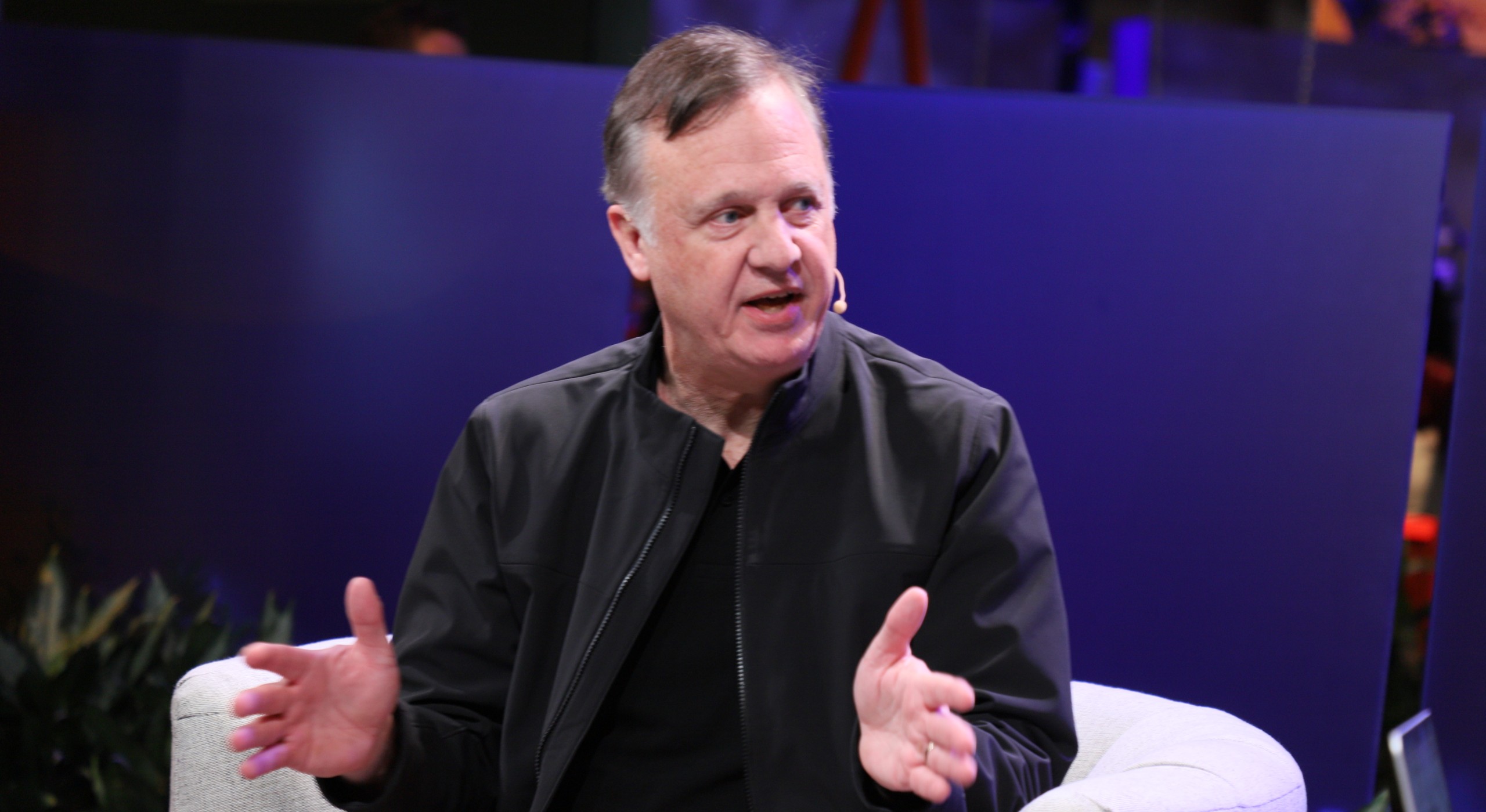
Low-code platforms were built to speed up application development, and AI is now rewriting that mission. Oracle Corp. previewed its answer ahead of its annual conference, and the tipping point for software development has already arrived, according to Mike Hichwa (pictured), senior vice president of software engineering at Oracle.
“In 2025, the majority of code was human-authored, and in 2026 and forever afterwards, the majority of code is going to be machine-generated,” Hichwa said. “We’re probably not going back. What we’ve done to address this change is we invented our own language. We call it APEXlang.”
Hichwa spoke with theCUBE Research’s Dave Vellante at Oracle AI World, during an exclusive broadcast on theCUBE, SiliconANGLE Media’s livestreaming studio. They discussed vibe coding and the need to maintain and govern AI-generated code. ( Disclosure below.)*
Vibe coding meets enterprise governance
APEXlang is a highly abstracted application definition language that captures intent rather than implementation. Oracle introduced it with the APEX AI Application Generator and is publishing its grammar, skills and documentation in the public domain so coding agents such as Anthropic PBC’s Claude and OpenAI Group PBC’s Codex can generate it. Oracle is also working with OpenAI to train models to generate the language more efficiently, Hichwa explained.
“What you’re generating actually matters, because once you generate it, and you generate it 100 times or 1,000 times within your enterprise, then you’re going to need to maintain it. You’re going to need to look after it,” Hichwa said. “What people want with their portfolio of applications, they want consistency, they want governance, they want ease of understanding.”
Governance comes from the runtime, too. Generated APEXlang is interpreted by the APEX engine, which Oracle patches and updates monthly, so customers don’t have to revisit what they built. The same design is meant to curb AI slop, since a compact definition is easier to read than sprawling generated code, according to Hichwa.
“What we’re generating is much, much smaller, much more human understandable, so it is less sloppy because it is more abstracted,” Hichwa said. “It’s like a CliffsNotes. It’s not the full book.”
Here’s the complete video interview, part of SiliconANGLE’s and theCUBE’s coverage of Oracle AI World: ( Disclosure: TheCUBE is a paid media partner for Oracle AI World. Neither Oracle, the sponsor of theCUBE’s event coverage, nor other sponsors have editorial control over content on theCUBE or SiliconANGLE.)*
Photo: SiliconANGLE
Support our mission to keep content open and free by engaging with theCUBE community. Join theCUBE’s Alumni Trust Network, where technology leaders connect, share intelligence and create opportunities.
- 15M+ viewers of theCUBE videos , powering conversations across AI, cloud, cybersecurity and more
- 11.4k+ theCUBE alumni — Connect with more than 11,400 tech and business leaders shaping the future through a unique trusted-based network
Are you an AWS customer? Support SiliconANGLE financially by buying your AWS services from our Marketplace portal page and links: https://siliconangle.com/aws-marketplace/
About SiliconANGLE Media
theCUBE AIand theCUBE SuperStudios — with flagship locations in Silicon Valley and the New York Stock Exchange — SiliconANGLE Media operates at the intersection of media, technology and AI.
Founded by tech visionaries John Furrier and Dave Vellante, SiliconANGLE Media has built a dynamic ecosystem of industry-leading digital media brands that reach 15+ million elite tech professionals. Our new proprietary theCUBE AI Video Cloud is breaking ground in audience interaction, leveraging theCUBEai.com neural network to help technology companies make data-driven decisions and stay at the forefront of industry conversations.