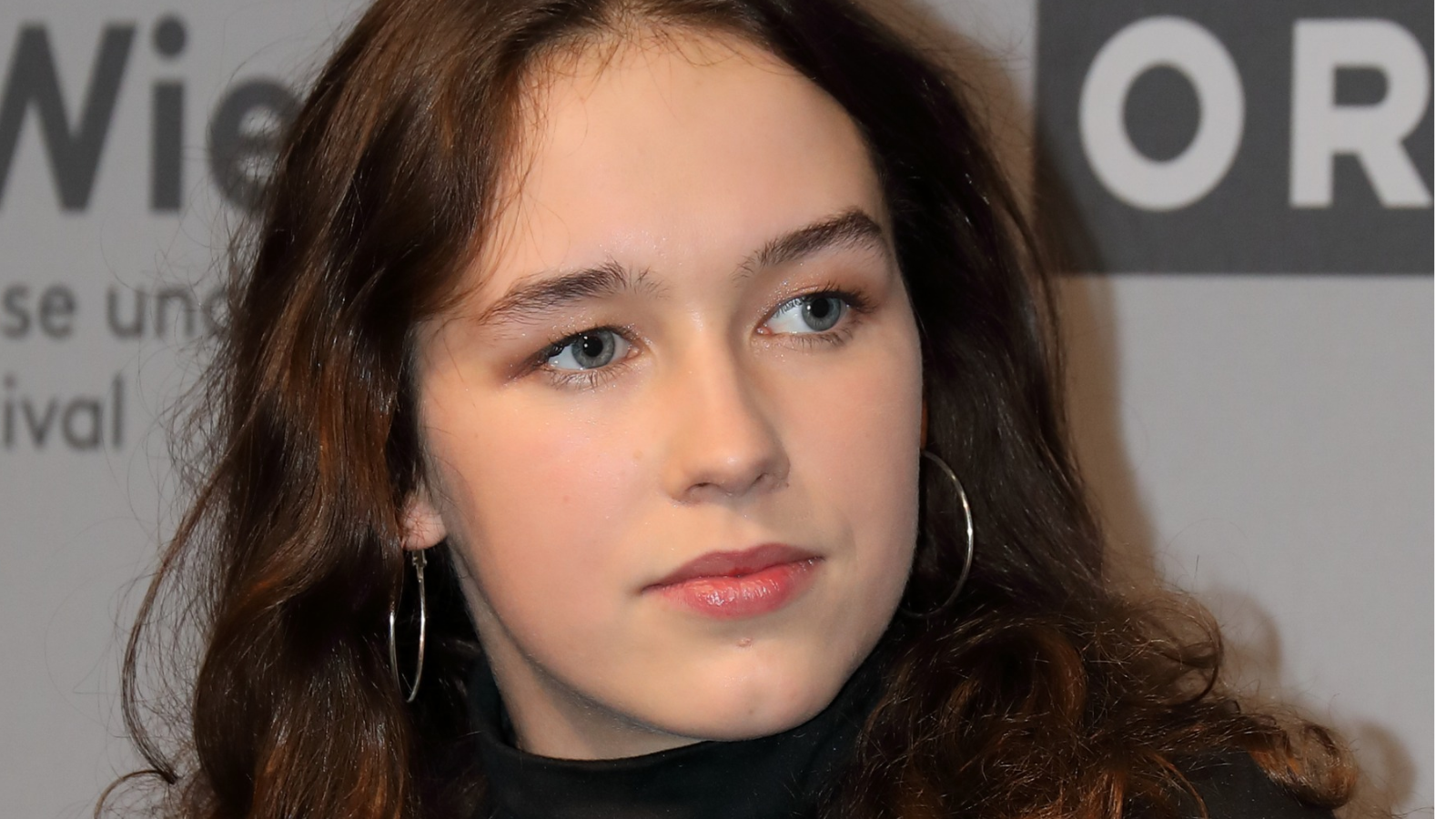
A report found that 50 MEPs had been targeted by sexualised deepfakes, while lawmakers urged authorities to enforce a forthcoming ban on 'undress' applications #
Austrian Green Party MEP Lena Schilling has revealed that non-consensual, AI-generated nude deepfakes of her are circulating online. The images were reportedly created by digitally removing her clothing from footage of an early political press conference. Schilling described the abuse as 'digital violence' intended to humiliate and objectify her.
Alongside German Green MEP Terry Reintke, she led a letter signed by 119 members of the European Parliament (MEPs) urging EU leaders and national authorities to enforce forthcoming bans on AI 'undress' applications.
The European Parliament voted in March 2026 to ban AI tools that generate sexually explicit content depicting identifiable people without their consent.
Report Found 50 MEPs Targeted by Sexualised Deepfakes #
A report by Berlin-based think tank Agora Digitale Transformation (ADT) found that 50 MEPs, including 46 women, had been targeted by sexualised deepfakes. The report said one in six female MEPs had been affected. An earlier report identified at least 138 female parliamentarians across 22 EU countries as victims of non-consensual deepfake pornography.
ADT data indicated that women in European politics were 33 times more likely than men to be depicted in or associated with such material. The think tank described the trend as a systemic threat that uses digital harassment to intimidate women and push them out of public life.
Schilling said many female colleagues had initially been reluctant to speak out. She urged victims not to blame themselves, saying they had nothing to be ashamed of because others had misused their photographs.
Lawmakers and think tanks have warned that sexualised deepfakes compound existing sexist harassment. They said the threat of such abuse could make it harder for women to pursue or remain in politics, while discouraging others from entering public life.
MEPs Demand Enforcement of Undress App Ban #
The letter signed by 119 MEPs argued that a ban would offer little protection without effective enforcement. It called on national authorities to close technical and legal loopholes that allow 'nudifier' websites and applications to remain accessible. The signatories also urged action against companies that profit from digital abuse.
The March 2026 vote formed part of a series of amendments to the 2024 EU AI Act. The measure targets AI tools designed to generate or modify content depicting sexually explicit activities or intimate body parts of identifiable people without their consent. The ban is due to apply from 2 December 2026.
The law states that such material can cause serious harm to victims and violate fundamental rights to human dignity and privacy. Parliamentarians said explicit prohibitions were needed to protect victims from non-consensual imagery.
Grok Controversy Adds Pressure for Action #
Calls for stricter rules intensified following incidents in early 2026 in which users exploited Elon Musk's chatbot Grok to generate and circulate what researchers estimated were millions of sexualised images of women and children.
The European Commission and several countries launched investigations into the incidents. Some countries also temporarily blocked access to the chatbot.
Meanwhile, a petition titled 'Stop Abuse, Block Grok!', organised by civil society group Aufstehn.at, gathered 35,000 signatures, adding to demands for stronger action against AI-generated sexual abuse. Lawmakers and researchers warn that non-consensual sexualised deepfakes compound sexist harassment and threaten equal representation.
© Copyright IBTimes 2026. All rights reserved.