Klarna's AI strategy has shifted as the fintech giant recruits human support staff amid quality concerns #
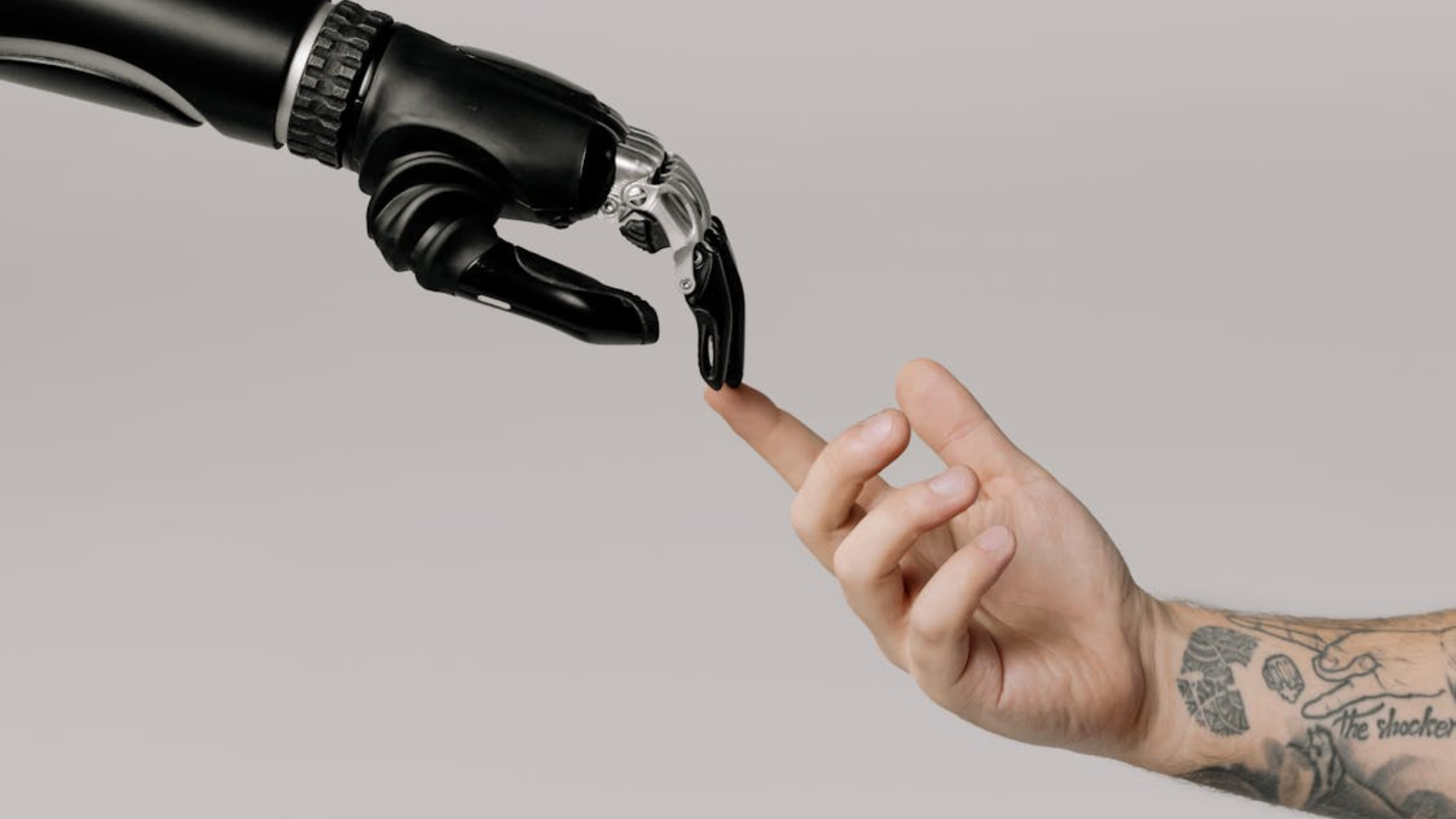
For almost two years, the corporate message sounded remarkably familiar. A company announced job cuts. Artificial intelligence was presented as the reason. Executives promised greater efficiency. Investors welcomed lower costs. For many businesses, it appeared to be the next stage of workplace transformation. Now, a growing number of companies are changing course. Employers that reduced headcount while investing heavily in AI are finding that technology cannot replace every aspect of human work. In some cases, businesses are spending more to recruit staff they previously let go, highlighting the limits of AI in roles that rely on judgement, empathy, and experience.
Companies Are Reversing AI-Driven Job Cuts #
According to CNBC, around half of companies that replaced employees with AI have experienced a costly reversal, rehiring workers after discovering that technology alone could not meet operational needs.
Instead of delivering permanent savings, some employers have faced higher recruitment costs, additional training expenses, and disruptions to customer service. The trend suggests that while AI can automate routine tasks, many businesses still depend on experienced employees to handle more complex work.
Klarna's AI Strategy Changed Direction #
Swedish fintech company Klarna became one of the most prominent examples of AI replacing human work. The company said its AI-powered customer service assistant could perform work equivalent to around 700 customer service employees and projected the technology would contribute approximately $40 million in annual profit.
The announcement attracted worldwide attention and fuelled debate about AI replacing jobs. However, the company later found that while the chatbot handled routine customer enquiries efficiently, it struggled with situations requiring judgement, empathy, and problem-solving. Speaking to Bloomberg, Klarna Chief Executive Sebastian Siemiatkowski said an excessive focus on reducing costs had resulted in lower service quality.
He said investing in high-quality human customer support represented the company's future direction. Klarna has since resumed recruiting customer service staff to deal with more complex customer cases.
Some Businesses Invested in Workers Instead #
Not every company responded to AI by reducing its workforce. Ingka Group, which operates most Ikea stores worldwide, introduced an AI chatbot capable of handling about 47 per cent of customer service enquiries. Rather than eliminating around 8,500 jobs, the company retrained many employees as interior design advisers.
The strategy allowed workers to move into customer-focused roles while AI handled repetitive enquiries. Ingka Group reported €1.3 billion in revenue from its interior design business in 2024 and expects the business to account for an even greater share of revenue in the coming years. The company chose to combine AI with human expertise instead of replacing employees.
IBM and Amazon Continue Hiring #
IBM has also adjusted its approach after expanding the use of AI across its operations. The company found that reducing entry-level hiring created a shortage of experienced talent several years later. IBM is now increasing recruitment of Gen Z employees while redesigning entry-level roles to work alongside AI rather than replacing them.
Amazon Web Services has reached a similar conclusion. Chief Executive Matt Garman recently said AWS plans to recruit around 11,000 interns and recent graduates this year.
Despite rapid improvements in AI coding tools, he said AWS employs more software developers today than it did two years ago. The company's hiring strategy reflects its view that AI increases productivity but does not eliminate the need for skilled engineers.
Research Suggests AI Adoption Does Not Always Reduce Employment #
Recent research also presents a more balanced picture of AI's impact on jobs. PwC's 2026 Global AI Jobs Barometer analysed more than one billion job postings across six continents. The report found that companies making the strongest use of AI recorded higher productivity growth and larger increases in employee numbers than organisations with lower AI adoption.
Separately, Bloomberg reported that some job losses in Britain attributed to AI were more closely linked to wider economic pressures, suggesting AI was not always the main driver behind workforce reductions. Together, the findings indicate that AI's impact on employment varies between industries and depends on how businesses choose to implement the technology.
Human Skills Continue to Matter #
The rapid development of AI is reshaping workplaces across the world. Many routine tasks are becoming automated, and employees are adapting to new ways of working. At the same time, the experiences of companies including Klarna, Ingka Group, IBM, and Amazon Web Services suggest that businesses continue to rely on people for work requiring judgement, creativity, relationship building, and complex decision-making.
Rather than replacing workers entirely, many employers are increasingly using AI to support employees and improve productivity. As companies continue investing in artificial intelligence, the challenge is no longer whether AI can perform certain tasks. It is finding the right balance between technology and the people whose experience remains difficult to replicate.
© Copyright IBTimes 2025. All rights reserved.