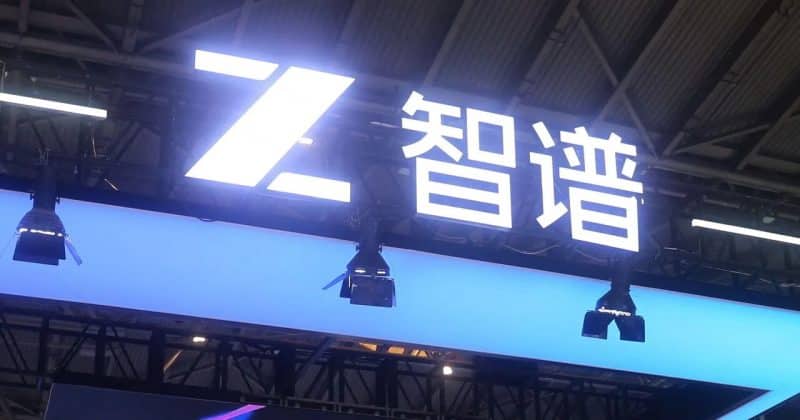
The Chinese AI company, backed by Alibaba and Tencent, is planning a massive secondary offering in Hong Kong just months after going public
Zhipu AI, the Tsinghua University spinoff behind the GLM family of large language models, is looking to raise roughly $4 billion through a secondary share sale in Hong Kong. The move comes after the company’s stock surged nearly 1,500% since its January debut, turning what was already a buzzy IPO into one of the most dramatic post-listing runs in recent memory.
From $560M IPO to $4B follow-on in six months #
Zhipu AI went public on January 8, 2026, selling over 37 million shares and raising approximately $560 million, or about HK$4.35 billion. The initial valuation clocked in at roughly HK$51 billion.
Shares have climbed somewhere between 1,500% and 2,000% since listing. The proposed secondary offering could land as early as July 2026. That timing is no coincidence: the six-month lock-up period for insiders expires on July 8, and the company appears eager to channel that unlocking event into a structured capital raise rather than letting shareholders simply dump into the open market.
Why Zhipu matters in the AI arms race #
Zhipu AI was spun out of Tsinghua University and develops the GLM series of large language models. Its backer list includes Alibaba and Tencent. The company has been gaining traction in enterprise applications, and its recent launch of GLM-5.2 has reportedly strengthened its position in this market.
The company is also reportedly exploring the possibility of additional listings in Shanghai, which would give it access to a pool of mainland Chinese capital.
What this means for investors #
A $4 billion secondary offering would represent roughly seven times the initial $560 million IPO haul. The key question is dilution. Existing shareholders need to weigh whether the capital raised will generate enough growth to offset the increased share count.
The absence of any crypto or blockchain angle here is itself noteworthy. Zhipu is operating purely in the traditional tech investment lane, with its trajectory tied to enterprise software adoption and Chinese industrial policy, not token economics or DeFi sentiment.
Disclosure: This article was edited by Editorial Team. For more information on how we create and review content, see our