In brief
- Meta’s AI glasses have faced privacy controversies throughout 2026.
- Critics say the devices can be used to record people and collect personal data without their consent.
- The disputes have led to lawsuits, government investigations, and growing public criticism.
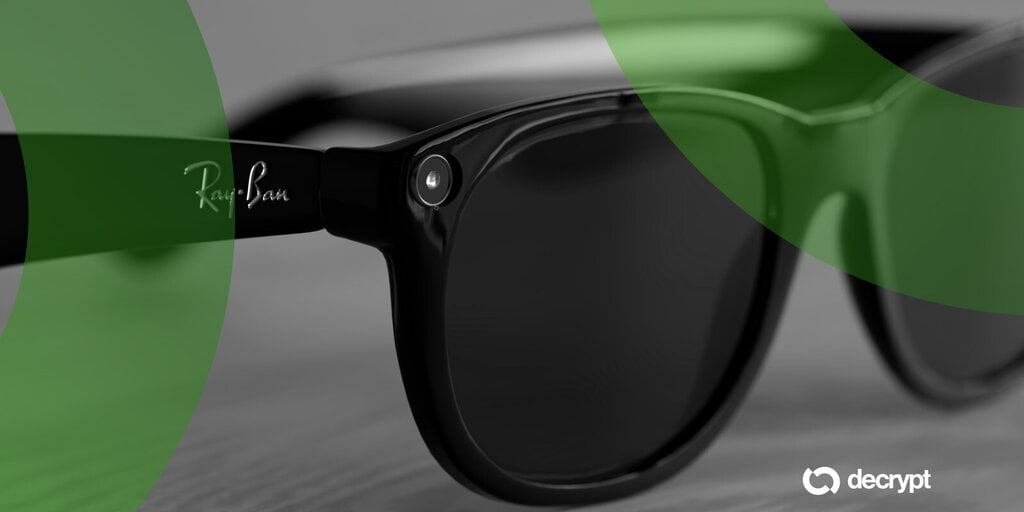
Meta is developing AI-powered smart glasses intended to function as a replacement for smartphones. The devices, though, are increasingly being referred to online as “pervert glasses”—and, well, for good reason.
While Meta has designed the glasses to include privacy protections, critics continue to sound the alarm about how the devices are being used and how data is handled. Here's how Meta's AI glasses became known as "pervert glasses."
In January, a *BBC *investigation found that women were being secretly filmed with Meta's Ray-Ban smart glasses after being approached in public. The videos were then posted to TikTok without their consent, where they attracted hundreds of thousands of views and comments. The BBC also identified an account that had posted more than 100 similar videos.
A joint investigation by Swedish newspapers in February found that Nairobi-based contractors hired to train Meta's AI reviewed footage captured by Meta’s smart glasses, including people using the bathroom, getting undressed, changing clothes, credit card numbers, and having sex, renewing concerns about how footage is shared with Meta’s AI.
In March, Meta faced a class-action lawsuit over claims it failed to clearly disclose that human contractors could review content shared with Meta AI. Later that month, Democratic senators Edward Markey, Jeff Merkley, and Ron Wyden questioned the company about reported facial recognition plans, warning the technology could enable real-time identification, stalking, and harassment.
Calling it "a red line society must not cross,” the ACLU and 75 other organizations urged Meta in April to abandon plans to add facial recognition to future versions of the glasses. The coalition warned the technology could allow wearers to identify strangers in public and link them to personal information.
The following month, Texas Attorney General Ken Paxton opened an investigation into Meta's AI glasses over concerns the devices could secretly record people, collect facial data, and mislead consumers about how their personal information is used.
In July, Meta updated its Ray-Ban smart glasses after users found ways to bypass the recording light that alerts people when the camera is in use. The update turns off the camera if it detects the light has been tampered with, part of a broader effort to curb hidden recording.
However, the update did nothing to slow the backlash, as that same month advocacy groups online and in New York, London, and Washington launched campaigns focused on the privacy implications of the devices.
By the end of July, Police Scotland opened an investigation into a TikToker, Scott Margerison, whom the agency accused of secretly filming people with Meta smart glasses. In order to protect event goers, Comic Con organizer Monopoly Events and DEF CON had banned the devices from their events over privacy concerns.
Daily Debrief Newsletter
Start every day with the top news stories right now, plus original features, a podcast, videos and more.