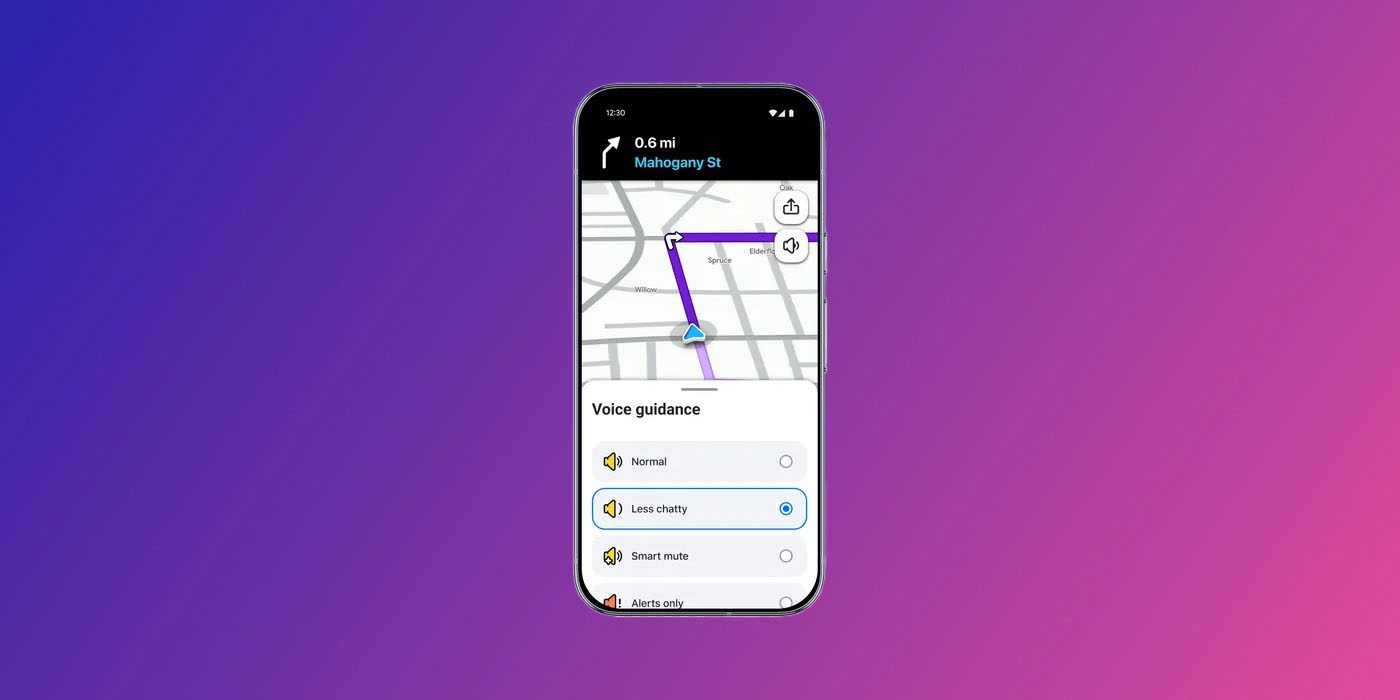
Waze's latest update introduces AI-driven features that personalize user experience. However, is it a boon for convenience or a concern for privacy-sensitive users?
Waze, the popular navigation app, has introduced new AI-powered updates to its iPhone and Android platforms. These enhancements promise to make your daily commute smarter and more personalized. But as is often the case with AI, the benefits come with a side of privacy questions.
AI Tailored Journeys #
The standout feature of this update is its ability to learn from your journey history. Waze now analyzes your past routes to offer navigation options that better align with your driving habits. It's a compelling use of AI, turning data into convenience. Yet, it's not without its trade-offs.
The real cost of such personalization could be your data privacy. While enterprises don't buy AI, they buy outcomes, consumers should consider what they're exchanging for a smoother ride. Is the convenience worth potentially giving up more personal data?
Conversational Navigation #
Another addition to Waze is its enhanced conversational interface. This feature aims to improve interaction with the app, making it easier to input destinations or change routes on the fly. This kind of update seems to bridge the gap between human interaction and AI technology, enhancing user experience without adding complexity.
However, while the consultative rhetoric around AI often emphasizes transformation, the P&L might suggest a different story. The deployment of such features should be balanced with concerns about how much data is being processed and stored.
Beyond the Features #
It's clear that Waze's innovation is more than a technical upgrade. it's a strategic move to remain competitive in an increasingly crowded navigation app market. But, one must ask, does this feature lead to an improvement in ROI, or is it merely a catch-up game?
In practice, these AI enhancements could redefine user expectations for navigation apps. They underscore a broader trend where personalized AI experiences are becoming the norm. But, as with any technology that collects and uses personal data, the importance of transparency and user control can't be overstated.
The consulting deck says transformation, but if Waze doesn’t address these privacy concerns head-on, user trust might tell a different tale.
Get AI news in your inbox
Daily digest of what matters in AI.