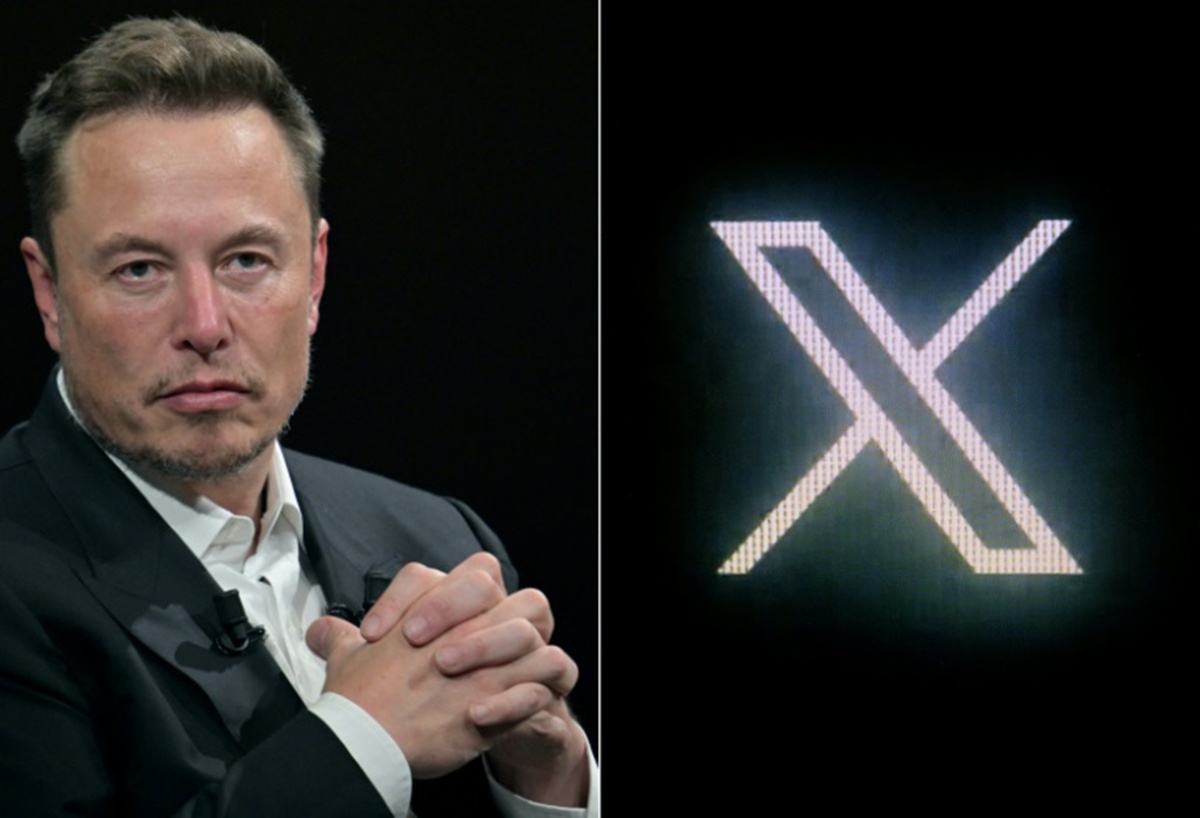
Musk said digital intelligence could surpass the combined intelligence of humans within five years as humanoid robots become a larger part of the economy #
One clip of Elon Musk predicting that artificial intelligence could soon outstrip human intelligence and help double the size of the economy in as little as five years has resurfaced on social media, with some users wrongly claiming he warned people have only three years left to earn a living from their labour.
The footage, taken from a May Forbes interview about AI, humanoid robots and the future of work, does not include any three‑year deadline for paid employment. Musk said digital intelligence could exceed the combined intelligence of all humans in about five years.
He also predicted there could be at least 100 million humanoid robots within five years, with the number potentially reaching 1 billion. He said the resulting increase in economic output could help double the size of the economy within five to seven years.
Musk's AI And Robotics Forecast #
Musk has linked the development of AI with the expansion of robotics, arguing that machines will increasingly perform both digital and physical tasks.
His five‑year forecast covers two areas. He expects digital intelligence to surpass the combined intelligence of humans and humanoid robots to reach at least 100 million units, potentially rising to 1 billion.
Musk did not provide a detailed estimate of how many jobs would be displaced by those technologies or how quickly businesses would adopt them. He instead focused on the effect on economic output, predicting that the economy could roughly double in five to seven years.
What It Would Take To Double the Economy #
The US economy would need to grow at roughly 15% a year for five consecutive years to double in size. Over seven years, the required compound annual growth rate would be about 10%.
US real gross domestic product grew 2.1% in 2025, according to the Bureau of Economic Analysis.
Growth was reported at annualised rates of 2.1% in the first quarter of 2026 and 1.5% in the second quarter. US labour productivity has also been rising at a much slower pace.
Nonfarm business labour productivity increased 2.2% over the year through the second quarter of 2026, while total factor productivity in the private nonfarm business sector rose 0.8% in 2025, according to the Bureau of Labor Statistics.
Musk's forecast would therefore require a sharp acceleration in productivity and investment in AI and robotics. It would also require those technologies to be deployed across the wider economy rather than remaining concentrated among a relatively small number of technology companies.
Musk's Longer Timeline for Jobs #
Musk has separately predicted that work could become optional within 10 to 20 years as AI and robots take on a larger share of economic production. He has said such a shift could eventually lead to what he calls universal high income, reducing the importance of wages as a source of household income.
That timeline is separate from his prediction that the economy could double within five to seven years. His comments therefore describe a period of rapid economic growth followed by a longer transition in which fewer people would need to work to earn a living.
The effect on employment would depend on how quickly companies adopt the technology and which tasks machines can perform.
AI Growth Compared With Musk's Prediction #
The US economy has not yet experienced growth rates close to those required by Musk's prediction. Labour productivity rose at an annual rate of 1.4% in the second quarter of 2026, while real output in the nonfarm business sector increased 1.7%, according to the Bureau of Labor Statistics.
AI investment has increased, but its effect on economy‑wide productivity remains difficult to isolate. Companies are deploying AI across software, customer service, research and other functions, while humanoid robotics remains at an earlier stage of commercial adoption.
Musk's forecast depends on both technologies advancing quickly enough to produce a much larger increase in output. His five‑to‑seven‑year timeline remains a forecast rather than the economic outlook of US government agencies.
The latest government data show an economy expanding at a rate below what would be required for it to double within that period. Musk's separate prediction that work could become optional within 10 to 20 years would depend on AI and robotics becoming capable of performing a broader range of cognitive and physical tasks.
© Copyright IBTimes 2026. All rights reserved.