Andrew Ng and others argue accessible systems outperform overly restricted platforms on cybersecurity and transparency
Vincent Chowin Washington More American titans of artificial intelligence are describing Chinese open-weight models as better for AI safety and security than closed-source models, challenging the long-standing claim by US closed-source AI model developers such as Anthropic that open-source models present a threat to society.
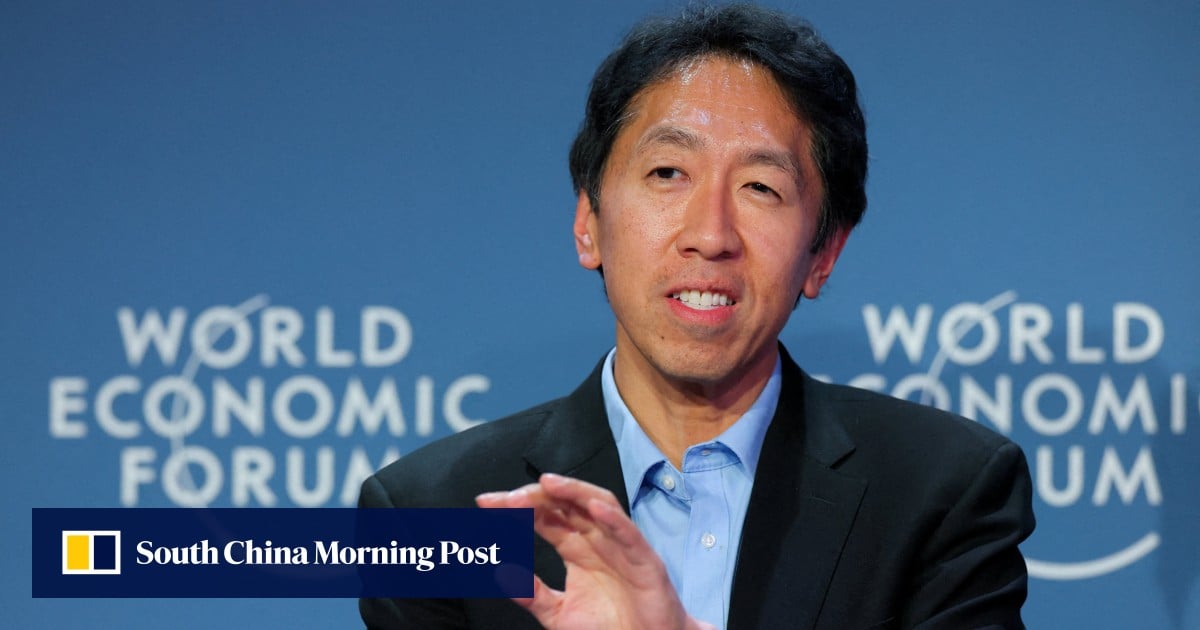
“From what I’m seeing, I think open-weight models seem safer to me than closed-weight models,” AI pioneer Andrew Ng, the former head of Google Brain and former chief scientist at Baidu, said at the Agentic AI Summit in Berkeley, California, on Saturday.
Ng said that he and a colleague turned to use two Chinese models – Moonshot AI’s Kimi K3 and Zhipu AI’s GLM-5.2 – to conduct a security review of their new open-source AI agent tool called OpenWorker, released last month, after leading models from OpenAI and Anthropic refused to help with the task.
Hugging Face also turned to GLM-5.2to help defend against a cyberattack by OpenAI’s models.
The reason for the reliance on Chinese models is that the latest US models, such as OpenAI’s GPT-5.6 and Anthropic’s Fable 5, have enhanced “safeguards” to refuse assisting with harmful activities.
However, users have complained that these safeguards also block legitimate requests, including those to help with shoring up cybersecurity systems.