The Three Architectural Pillars of the Agentic Era Software became an enormous industry because it could be created once and used many times. A developer could write a library and thousands of other developers could build with it. A company could expose an API and make its capability available across countless products. App stores gave software global distribution. Every new piece of software could become a building block for something else. AI agents should take this transformation even further. An agent is not just code or an API. It can understand a goal, make decisions, use tools, communicate, and perform work. In theory, a well-built research, sales, legal, or coding agent should become a reusable digital worker—available wherever its capabilities are needed. But that is not how agents work today. Software became reusable. Agents did not. Most agents are trapped inside the project that created them. Their behavior is tightly coupled to a specific framework, workflow, context structure, and runtime. A research agent built for one application cannot simply enter another environment and start collaborating. As a result, every team keeps rebuilding the same capabilities. Thousands of companies are creating their own research agents, support agents, coding agents, and document-processing agents. The same engineering effort is repeated because agents cannot move across projects. This prevents specialization. A team cannot focus on building the world's best compliance agent and distribute it across many AI systems. Every agent is treated as an internal implementation detail rather than an independent product. It also prevents new markets from emerging. There can be no meaningful marketplace for agents if an agent only works inside the harness in which it was created. There can be no strong network effect if adding a new agent benefits only one application. What interoperability unlocks Agent interoperability
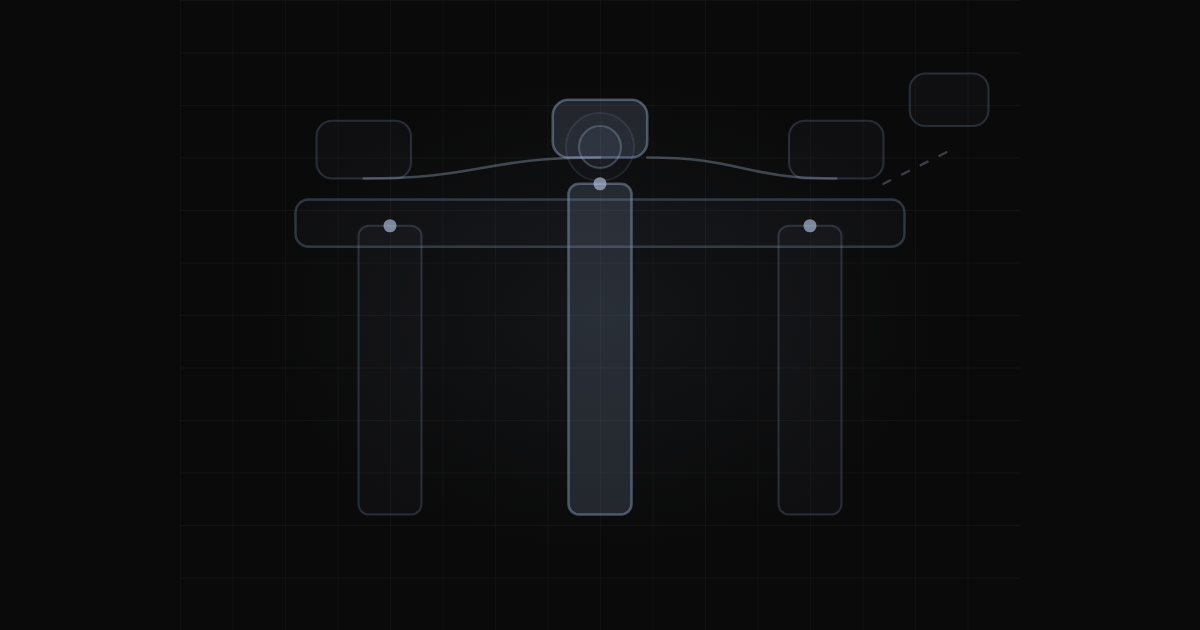
changes this. When agents can operate across projects, every new agent becomes a reusable capability for the entire ecosystem. Developers can build an agent once and distribute it everywhere. Companies can combine specialized agents instead of rebuilding them. Users can bring trusted agents from one environment into another. Agent creators can monetize capabilities independently from complete applications. Most importantly, the value of the ecosystem grows with every agent added to it. Three Pillars But sharing an agent requires more than moving its code. An agent entering a new environment must be able to work without waiting for a predefined sequence. It must understand who and what exists around it. And it must adjust its behavior to the context it encounters. That requires three fundamental capabilities: Concurrency — agents operate independently without blocking one another. Awareness — agents understand other participants, events, and their shared environment. Adaptivity — agents change their behavior based on runtime state and emerging needs. Together, these capabilities unlock
agent interoperability . They are the same three properties we later found in the
interoperability triangle : independence, connection, and collaboration. Built around this triangle Mozaik is a TypeScript runtime built around this triangle—with the goal of freeing AI agents from individual projects and turning them into reusable, distributable, and valuable participants in a shared agent economy. Get on the bandwagon before it takes off—join our hackathon and start building concurrent AI agents today. build.jigjoy.ai Miodrag Vilotijević Co-founder @ JigJoy Building the future of agentic systems With tools and technology we already have, we can build much more valuable systems than most projects today. We can write software that is a pleasure to use and a pleasure to work on; software that doesn't box us in as it grows, but creates new opportunities and continues to add value for its owners. Newsletter For developers who want to learn how to build self-organizing agents. Join our online hackathon Join our online hackathon for building multi-agent systems.