The LiteLLM Breach and the New Reality of AI Infrastructure #
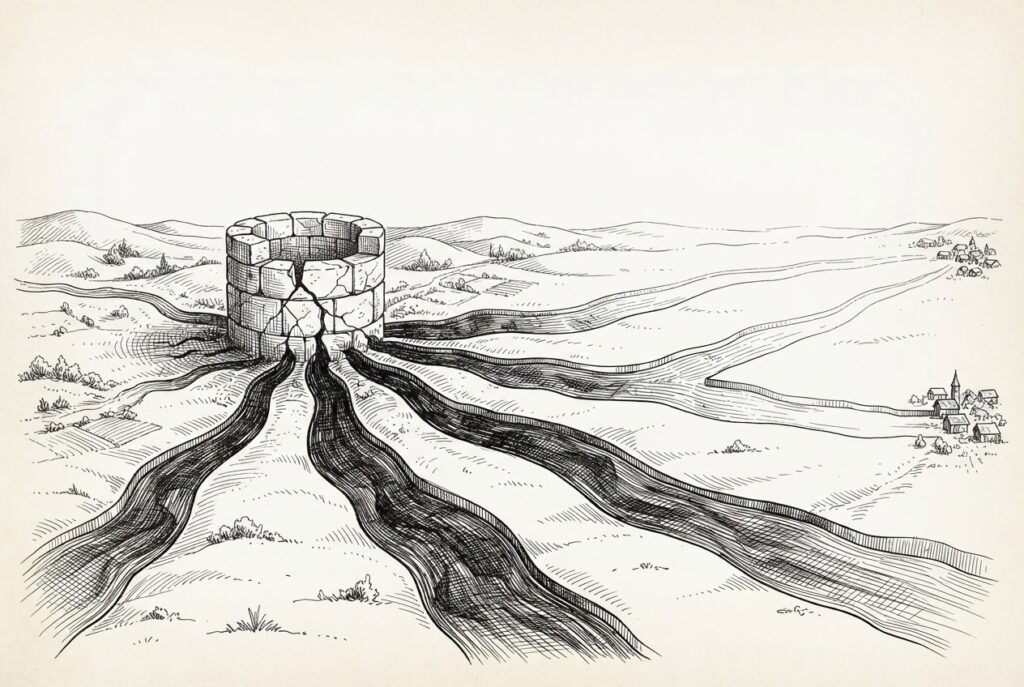
On March 24, 2026, the Python Package Index (PyPI) hosted malicious versions of the LiteLLM library—specifically 1.82.7 and 1.82.8—for approximately 40 minutes. Orchestrated by the threat actor Team PCP, this incident represents a structural shift in how we must evaluate the integrity of the tools powering modern AI agents. By compromising a foundational dependency, the attackers demonstrated that the software supply chain has become a primary target for those seeking to compromise AI agents at scale.
The Mechanics of Silent Execution #
The execution method employed in this breach was particularly insidious. The malicious version 1.82.8 included a litellm_init.pth file. In the Python ecosystem, .pth files are processed automatically during interpreter startup. This design choice meant the malware did not require a developer to explicitly import LiteLLM; it executed immediately upon any Python startup within the affected environment. Once active, the malware systematically harvested sensitive data, including SSH keys, cloud credentials for AWS, GCP, and Azure, Kubernetes tokens, and LLM API keys, exfiltrating them to a typosquat domain, models.litellm.cloud.
Mapping the Security Arc #
To understand the trajectory of these threats, we must look at the broader security arc of agent infrastructure. We have previously documented vulnerabilities at the framework layer, such as CoreBreak, which targets the underlying logic of agent frameworks. We have seen network-layer issues, such as Cloudflare MCP detection, which involves monitoring and potentially intercepting traffic within the Model Context Protocol. We have also navigated dispatch-layer exploits, such as the AWS AgentCore harness bypass, which allows attackers to inject unauthorized tool calls. The LiteLLM incident extends this arc directly into the package registry layer, proving that the foundational components developers trust are now firmly in the crosshairs.
The Long Tail of Compromised Credentials #
While a clean version, v1.83.0, was released on March 30, 2026, the recovery process is far from over. The FBI FLASH-20260702-01, issued in July 2026, warns that affiliated actors are likely to weaponize harvested credentials long after the original intrusion. According to CloudSEK, 78,330 secrets were exfiltrated across 2,186 organizations. Even with the malicious package removed, these stolen keys remain in the hands of attackers, ready to be deployed in future, more targeted operations.
A Cascading Campaign #
What matters here is that this attack was part of a larger, cascading campaign by Team PCP. This effort included compromises of Trivy, the CanisterWorm npm worm, Checkmarx KICS, and Telnyx. This suggests a highly coordinated effort to map and exploit the dependencies that developers trust. The industry must now prepare for the next wave of infrastructure attacks. CloudSEK has warned that future efforts will likely target AI gateways, agent runtimes, Model Context Protocol (MCP) servers, and vector stores. These components serve as the connective tissue of the agentic web, and their compromise would provide attackers with even deeper access to enterprise data and decision-making loops.
Conclusion #
The LiteLLM supply-chain attack serves as a stark reminder that the infrastructure supporting AI agents is not immune to the classic, yet evolving, threats of the software supply chain. We are no longer just defending against prompt injection or model-specific vulnerabilities; we are defending the entire stack. As we integrate more autonomous agents into our workflows, the security of the packages we pull from registries becomes as critical as the security of the models themselves. The arc of agent infrastructure security is bending toward the foundational, and the industry must adapt its defensive posture accordingly.