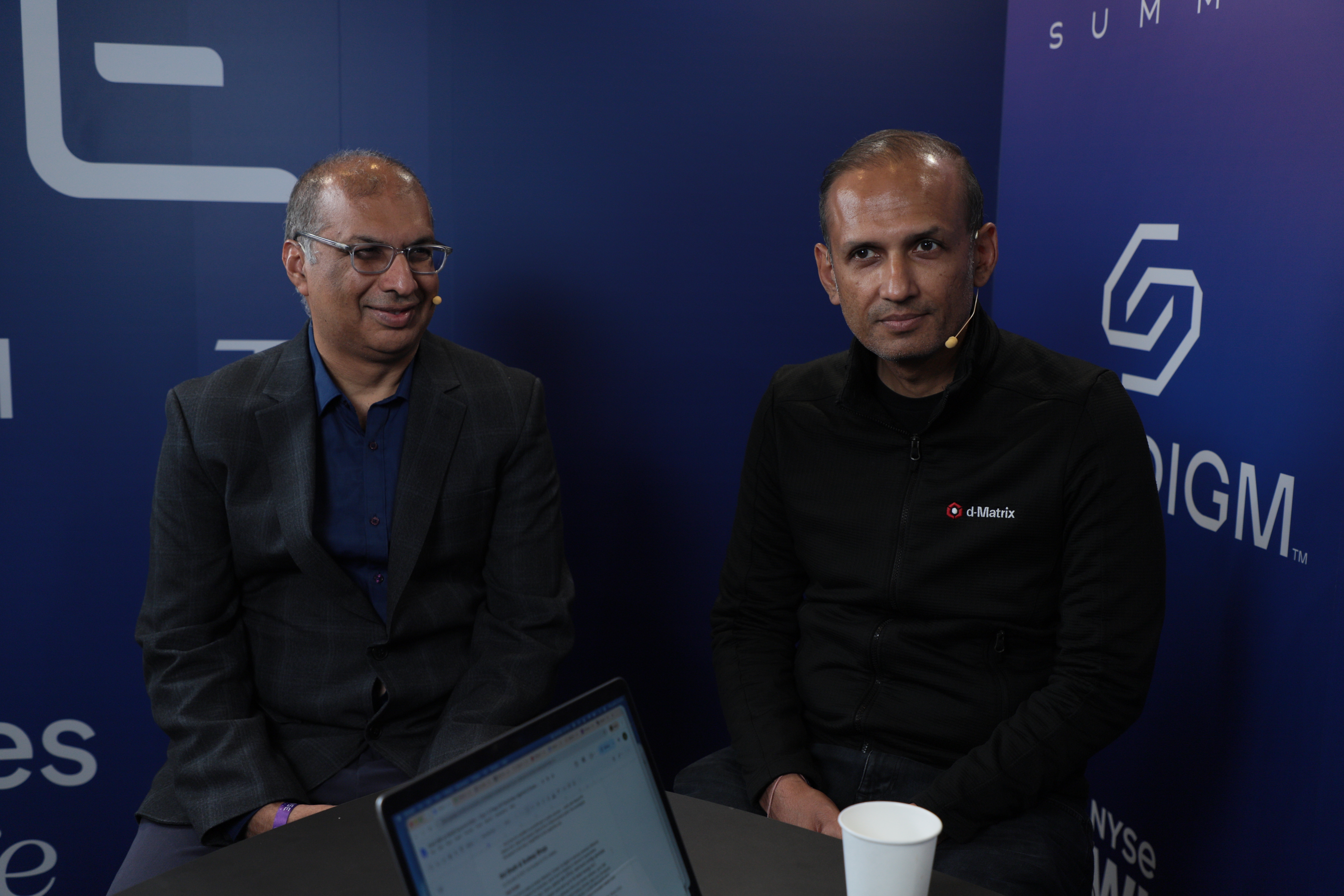
As AI use cases evolve, fast token generation emerges as a key differentiator in inference hardware. The shift from GPUs to diversified infrastructure marks a significant change.
The push for swift token generation in AI has moved beyond mere benchmarks, redefining the architecture of production data centers. We're witnessing a turning point shift away from a GPU-dominated narrative. With the proliferation of agentic AI use cases, and as user demands for real-time interactivity grow, the need for fast, efficient inference infrastructure is undeniable.
AI Inference: A New Hardware Frontier #
Inference infrastructure is being reimagined from the ground up. The competitive landscape shifted this quarter, highlighting a major transition. Instead of relying solely on GPUs, companies are now exploring heterogeneous architectures. This approach balances compute-heavy prefill operations with the need for latency-sensitive inference tasks.
But why should this matter to the average enterprise? The answer lies in performance and efficiency. As AI models become more complex, the ability to generate tokens rapidly without compromising on speed is critical. Here's how the numbers stack up: faster token generation not only boosts performance but also optimizes resource allocation within data centers.
A Question of Efficiency #
How will enterprises adapt to this shift? The market map tells the story. Companies investing in diverse, adaptable hardware infrastructures will likely gain a competitive advantage. In contrast, those clinging to outdated, GPU-only systems may fall behind as the demands on AI systems grow.
The implication for businesses is clear. Embracing this new era of AI inference means staying competitive in an evolving market. The data shows that diversified inference infrastructure isn't just a trend, it's a necessity for those aiming to maintain market share in a rapidly changing landscape.
The Path Forward #
As we move further into this era of AI, the question remains: Will enterprises be agile enough to transition effectively? Those who adapt quickly won't only meet current user demands but also position themselves for future innovations. Fast token generation is more than just a technical improvement. It's a strategic advantage that could define market leaders in the years to come.
Get AI news in your inbox
Daily digest of what matters in AI.
Key Terms Explained #
Agentic AI Agentic AI refers to AI systems that can autonomously plan, execute multi-step tasks, use tools, and make decisions with minimal human oversight.
Compute The processing power needed to train and run AI models.
GPU Graphics Processing Unit.
Inference Running a trained model to make predictions on new data.