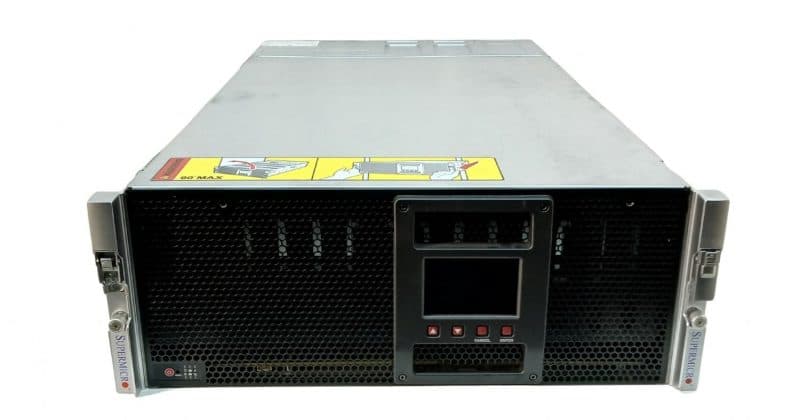
Coordinated raids hit Super Micro offices and affiliated sites as Taiwanese authorities widen investigation into alleged diversion of Nvidia AI chips to China
Taiwanese authorities launched coordinated raids on Super Micro Computer’s local office, three affiliated company sites, and the residences of six individuals on June 29. The operation marks a significant escalation in a probe centered on allegations that Nvidia AI chips were being smuggled into China through Super Micro servers.
SMCI shares dropped roughly 8% following news of the raids, landing at approximately $28.15.
From seizures to raids: the investigation so far #
This is not the first time Taiwanese authorities have moved on this case. Back in May, investigators seized approximately 50 Super Micro servers and scrutinized three individuals for allegedly falsifying export documents tied to restricted Nvidia AI chip shipments.
The Taiwanese investigation runs parallel to a US Department of Justice case that has been building since March. The DOJ charged three individuals, including Super Micro co-founder Yih-Shyan “Wally” Liaw, with conspiring to divert at least $2.5 billion worth of Nvidia-equipped servers into China.
Super Micro has publicly stated that it is cooperating with authorities. The company has not been indicted in the US case, an important distinction that separates institutional culpability from individual alleged misconduct.
Why Nvidia chips are the new contraband #
The US has imposed increasingly strict export controls on advanced semiconductors, specifically targeting the kinds of high-performance Nvidia chips that power AI training and inference workloads. The goal is straightforward: prevent China from accessing the computational firepower needed to develop cutting-edge AI systems.
Super Micro, as a major server manufacturer that integrates Nvidia chips into its products, occupies a critical node in the AI hardware supply chain. If servers equipped with restricted Nvidia hardware were being rerouted to Chinese buyers through falsified export documentation, Super Micro’s infrastructure would be the vessel, whether or not the company itself directed the scheme.
What this means for investors and the AI hardware market #
The $2.5 billion figure alleged in the DOJ case puts this in perspective relative to other technology enforcement actions. This is not a minor customs violation. It represents one of the largest alleged technology smuggling operations in recent memory, and the fact that it involves the co-founder of a publicly traded company makes it impossible for markets to ignore.
No direct connections between this case and digital assets have surfaced. The focus remains on hardware compliance and export regulations.
Disclosure: This article was edited by Editorial Team. For more information on how we create and review content, see our