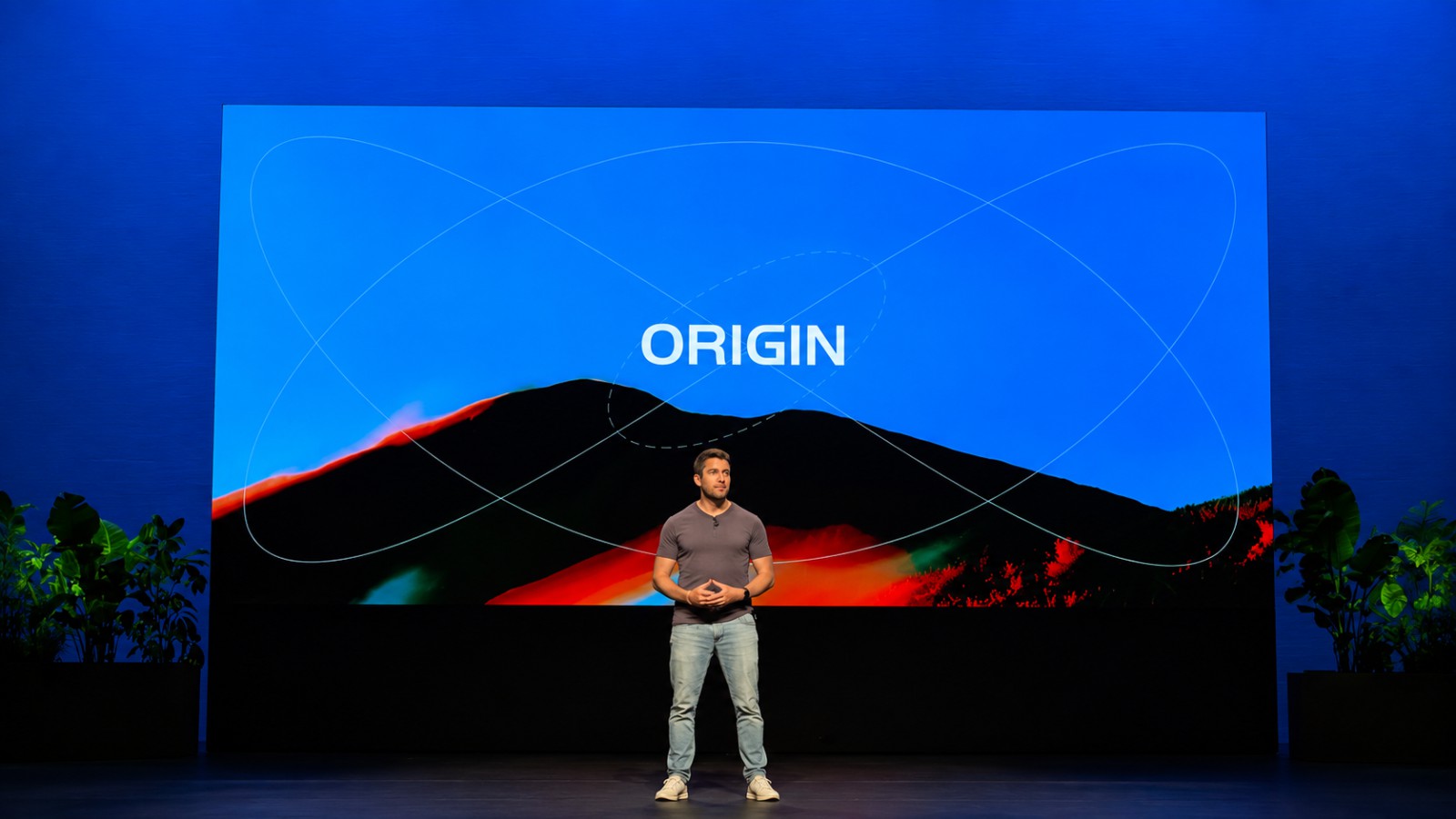
The problem Origin solves: Cursor began rolling out Origin in early beta to all paid plan users, delivering on a promise first made in June. The platform arrives at a critical moment: GitHub is buckling under AI-driven workloads, processing 1.4 billion monthly commits, up from 1 billion in all of 2025, with AI agents generating over 17 million pull requests per month.
Traditional Git infrastructure, designed for human developers committing code a few times daily, simply wasn’t built for this. Origin was designed for this moment.
How Origin works
Origin starts with the essentials: repositories, pull requests, code browsing, and GitHub sync. Users can create new repositories directly in Cursor or import existing GitHub repos; synced copies update in real time, though pushes still go to GitHub, which remains the source of truth.
Pull requests on synced repos support two-way commenting: comments in Cursor post to GitHub, and replies appear in Cursor within seconds.
But the real story is what’s coming. Origin was built from the ground up for the “ agentic era,” where dozens or hundreds of
AI agentsclone, branch, commit, and rebase the same codebase simultaneously.
The platform reportedly supports 22.6 commits per second in a single repository and can even handle hundreds of thousands of clones per hour, a load that would stress any existing Git hosting infrastructure.
The bigger picture
So far, Origin is the final piece of Cursor’s vertical integration strategy, completing a stack that includes a custom 1.5 trillion-parameter model and the Graphite code-review workflow it acquired.
With SpaceX now backing Cursor, the company has the resources to challenge GitHub’s dominance in a market that has seen little meaningful competition in over a decade, since 2011’s GitLab launch, and recently Jack Dorsey’s Block-backed “Buzz.”
The agent-native roadmap: What’s coming next to Origin
Cursor promises that Origin’s current feature set is just “the essentials.” Per team disclosures, the platform’s true power will emerge with agent-native capabilities shipping soon. We are talking about autonomous AI agents that can spin up repos from scratch, submit and review pull requests, resolve merge conflicts automatically, and even refactor entire codebases.
The way Origin is built lets these AI agents work with the same permissions as any developer, making human-AI collaboration feel way more natural. This move from “AI helping humans” to “AI working as a teammate” could totally change the game for how we build, test, and deploy software.