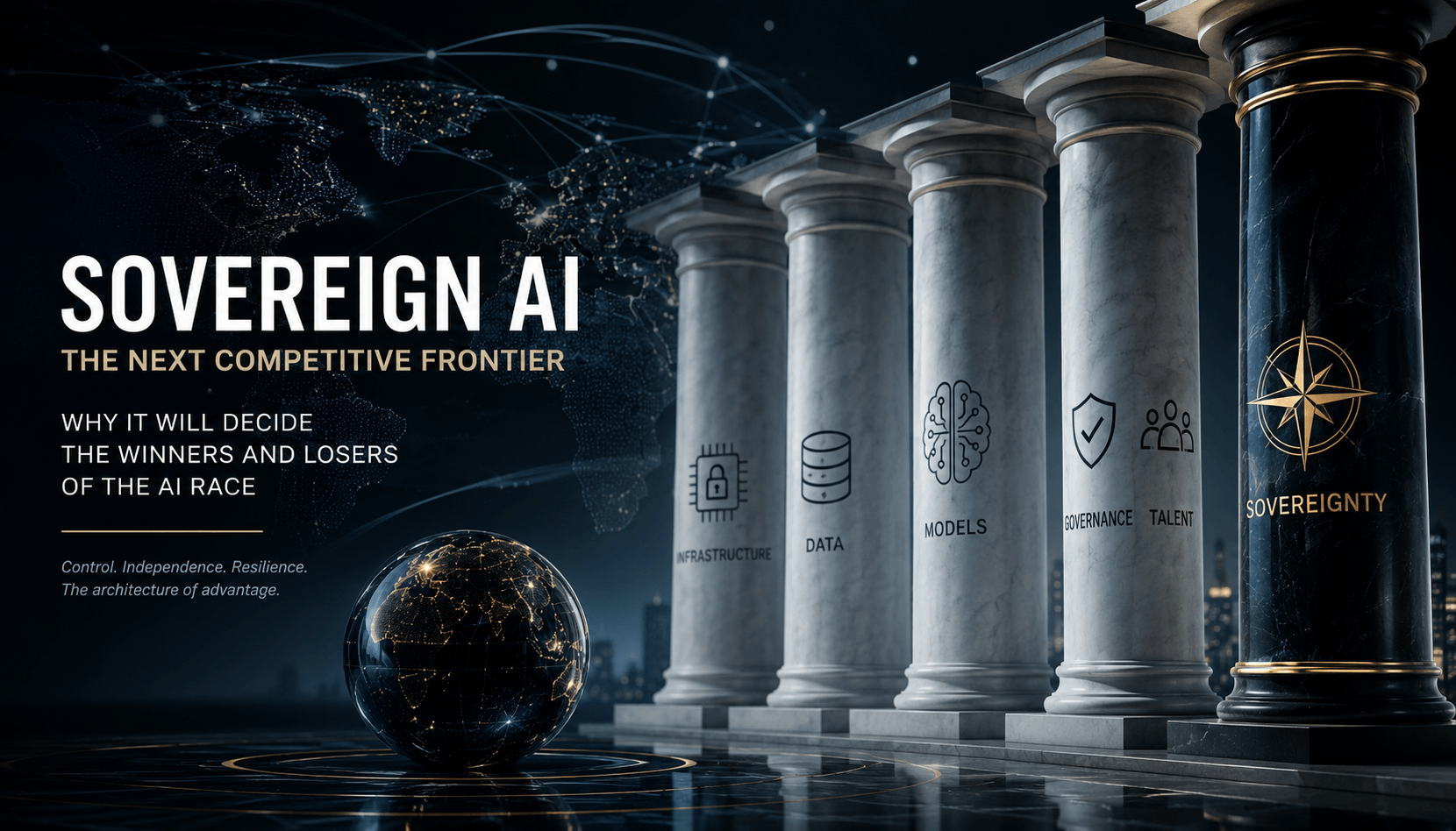
Sovereign AI isn't just a buzzword. it's the next battleground for global dominance. As nations vie for AI supremacy, open source becomes the architecture of choice.
artificial intelligence, sovereignty is more than just a concept, it's the new chessboard for global tech players. As AI becomes deeply embedded in national strategies, sovereignty in AI implies control over data, algorithms, infrastructure, and, importantly, the ethical guidelines under which they operate. This isn't just about preference, it's about architecture.
The Critical Role of Open Source #
Open source has emerged as the backbone for sovereign AI initiatives. It's not merely a developer's playground. it's the infrastructure that allows nations to build and modify AI systems without external dependencies. If you're a chief financial officer, this means rethinking how your organization approaches AI investments. Open source systems offer flexibility, but they also demand vigilance, monitoring for security and compliance becomes a top priority. Can nations afford this autonomy? The answer seems to be a resounding 'yes', as the alternative could mean ceding control to multinational tech giants.
Why Sovereign AI Matters #
The stakes in the AI race are extraordinarily high. Sovereign AI will likely determine which countries lead in innovation and economic power. For countries striving for tech independence, especially in sensitive sectors like defense, healthcare, and finance, sovereignty isn't just desirable, it's essential. This is a convergence point where policy meets technology, and where tech policy can directly impact a nation's geopolitical standing.
But let's not romanticize it. Sovereign AI also comes with its own set of challenges, from managing complex tech stacks to ensuring that ethical frameworks align with national values. The question we must ask is, how will these frameworks hold up under international pressure? If agents have wallets, who holds the keys?
Global Implications #
The AI-AI Venn diagram is getting thicker, with sovereign AI at its center. Nations aren't just competing technological prowess. they're also investing in shaping the ethical and regulatory landscapes of AI. The United States, China, and the European Union are already deeply invested in this race. Each aims to set global standards that reflect their own values and priorities. The compute layer needs a payment rail, and sovereign AI could very well provide it.
sovereign AI isn't a distant future. It's unfolding now and will decide the winners and losers of the AI race. For organizations and nations alike, the mandate is clear: Embrace open-source architectures, manage your AI ecosystems vigilantly, and align them with sovereign standards. The collision between policy and technology isn't just happening. it's accelerating.
Get AI news in your inbox
Daily digest of what matters in AI.