The AI boom is eating memory chips faster than the industry can make them, and that has big implications for crypto mining, GPU availability, and tech costs across the board.
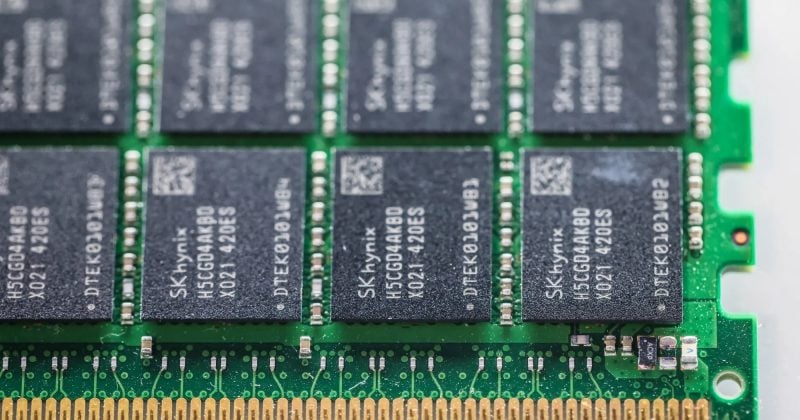
SK Hynix CEO Kwak Noh-jung dropped a sobering prediction on July 10: the global memory chip industry is heading into its worst supply shortage ever in 2027, and demand won’t stop outpacing supply until well after 2030.
The warning came on the same day SK Hynix began trading its American depositary receipts on Nasdaq.
A 20% wafer gap with no quick fix #
The core problem is straightforward, even if the solution isn’t. SK Group Chairman Chey Tae-won flagged a structural wafer shortage exceeding 20% back in March 2026. That gap, he warned, won’t close until after 2030 because scaling up semiconductor production capacity takes years, not months.
SK Hynix’s response is ambitious: the company plans to double its memory wafer production over the next five years. It’s also exploring the possibility of building a manufacturing facility in the US.
AI is the demand monster #
The culprit behind this looming shortage has a familiar name: artificial intelligence. Specifically, the insatiable appetite for high-bandwidth memory, or HBM, the specialized chips that sit alongside GPUs in AI training clusters and inference servers.
SK Hynix, Samsung Electronics, and Micron Technology dominate the HBM market. That concentration means when the CEO of one of three key suppliers says there’s a multi-year shortage ahead, the entire tech ecosystem should pay attention.
What this means for crypto and broader markets #
Here’s where it gets interesting for the crypto world. Memory chips might not be the first thing that comes to mind when you think about Bitcoin or Ethereum, but the semiconductor supply chain touches digital assets in several important ways.
First, GPU availability. Crypto mining operations, particularly for proof-of-work chains and GPU-mineable tokens, compete for the same hardware that AI companies are hoarding. A prolonged memory shortage means higher costs for mining rigs and potentially reduced hash rate growth for networks that depend on consumer-grade or enterprise GPUs.
Second, the broader cost picture. Data centers that host crypto exchanges, run validator nodes, or power DeFi infrastructure all rely on memory-intensive servers. If DRAM and HBM prices spike due to constrained supply, operating costs rise across the board.
For traders watching Micron, Samsung, and now SK Hynix on Nasdaq, prolonged scarcity tends to be a double-edged sword. Revenue per chip goes up when supply is tight, which is great for margins. But it also creates customer pushback, accelerates the search for alternatives, and invites regulatory scrutiny, especially when critical infrastructure depends on a handful of suppliers. What smart investors are watching right now is whether SK Hynix’s capacity doubling plan and potential US fab construction stay on schedule. Any delays in those timelines could extend the shortage well beyond 2030.
Disclosure: This article was edited by Editorial Team. For more information on how we create and review content, see our