OpenAI's CEO told senators the country needs to dominate both sides of the AI stack, a stance that carries real weight for crypto and decentralized compute markets
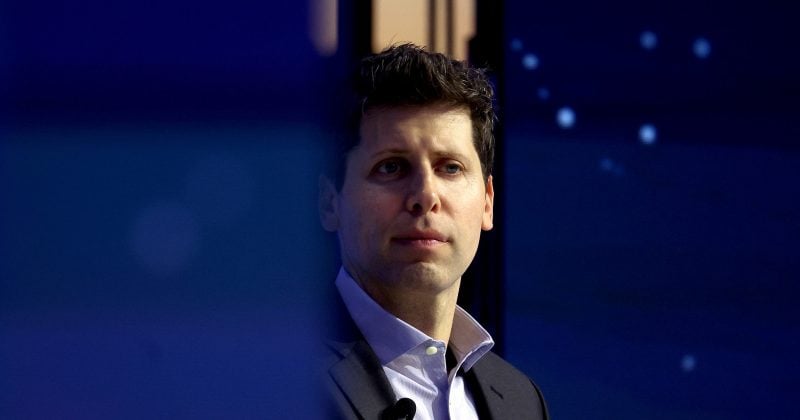
Sam Altman stood before the US Senate on May 8, 2025, and made a case that would have sounded heretical coming from him just a year ago: America needs to win the open-source AI race too.
The OpenAI CEO told lawmakers the US should lead in both open-source and closed-source AI models, announcing that his company plans to release a leading open-source model this summer. For a company that built its brand on proprietary, closed systems, that’s a notable reversal.
OpenAI’s open-source pivot #
Earlier in 2025, Altman publicly acknowledged that OpenAI had been “on the wrong side of history” when it came to open-source AI.
The competitor in question is primarily DeepSeek, a Chinese AI initiative that has made significant strides in open-source model development. China’s rapid progress in freely available AI tools created a strategic problem for the US: if the best open models come from Beijing, so does the influence over how global developers build on top of them.
Altman’s pitch to the Senate was essentially that the US can’t afford to cede either lane. Closed-source models, like OpenAI’s flagship GPT series, generate revenue and allow tighter safety controls. Open-source models spread American technological standards globally and prevent adversarial nations from owning the default infrastructure layer of AI development.
Altman’s Senate appearance also touched on the regulatory dimension. In a July 25, 2024 op-ed in the Washington Post, he called for US action on AI safeguards, infrastructure investment, and export regulations.
The geopolitical chess match and market implications #
Altman’s dual-track argument, win in open-source and closed-source, is fundamentally a geopolitical positioning play. The subtext of his Senate testimony is that China’s open-source AI capabilities represent a national security concern, not just a commercial one.
The risk runs in the other direction too. If Washington decides that open-source AI models pose safety concerns, the same regulatory attention that Altman is courting could produce rules that constrain AI infrastructure. Altman has been careful to advocate for safety guardrails alongside openness.
Disclosure: This article was edited by Editorial Team. For more information on how we create and review content, see our