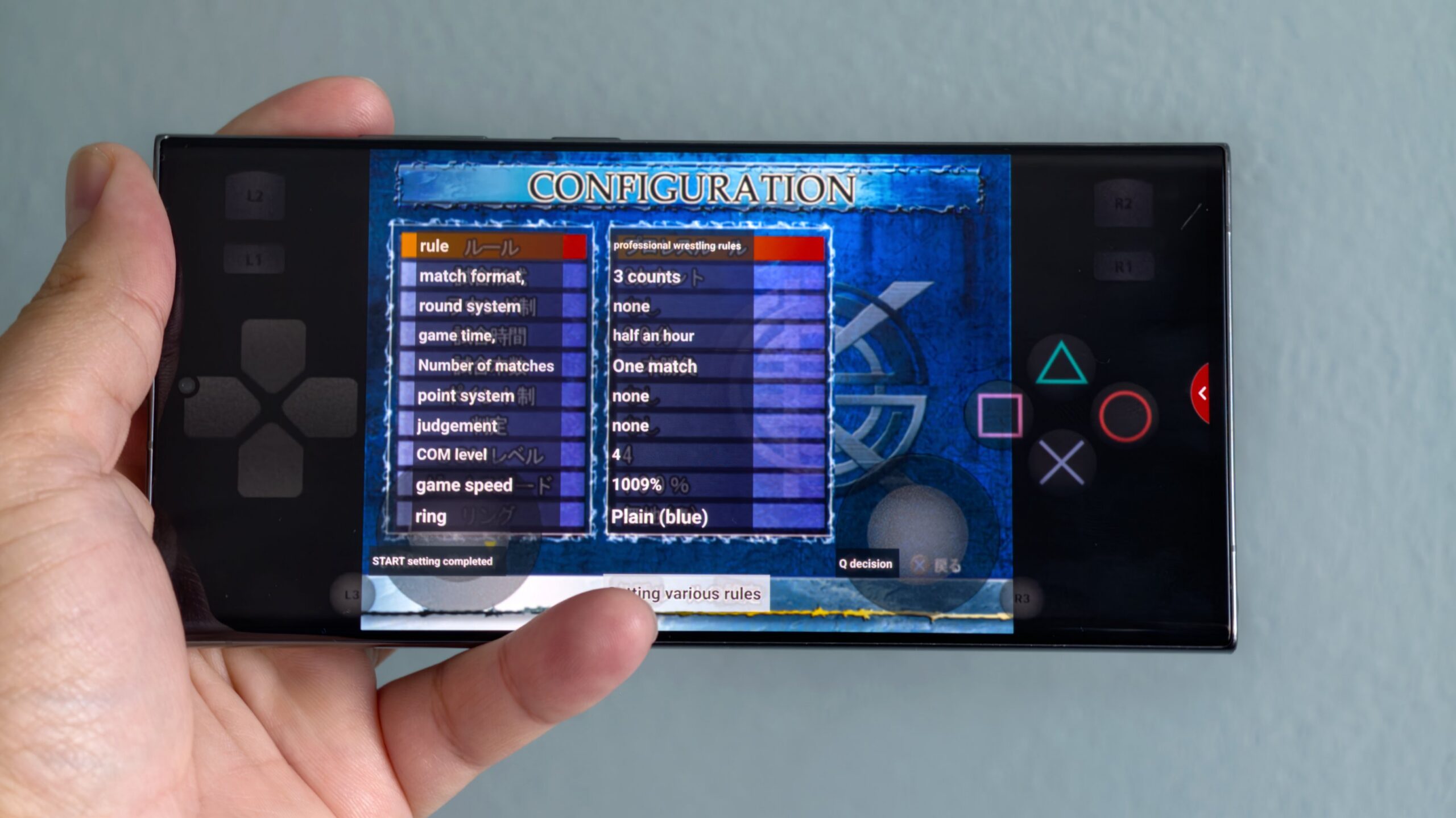
Android Authority reports that an open-source Android app called PlayTranslate, released on GitHub, offers realtime overlay translation for games by reading 23 in-game languages and translating them into 59 languages. The outlet says the app supports online and offline modes; offline translations use locally downloaded AI models, and the app also adds text-to-speech, flashcard functionality, and multi-screen translation. Android Authority reports that installation triggers Google Play Protect because PlayTranslate requests screen-record and display-over-apps permissions; the article says users must temporarily Play Protect to install the app. The app is open-source, Android Authority adds. Editorial analysis: Tools that capture on-screen text for translation routinely encounter distribution and security friction, so practitioners and users should weigh privacy and installation trade-offs before deploying them.
What happened
Android Authority reports that an open-source Android app named PlayTranslate, published on GitHub, provides a realtime overlay that translates in-game text. The article states the app can read 23 in-game languages and translate into 59 languages, with supported targets including English, Hindi, Spanish, Korean, and Russian. Android Authority reports that the app was quietly released in March and has received multiple updates since then.
Technical details
Android Authority reports PlayTranslate supports both online and offline translation modes; offline functionality is achieved via locally downloaded AI models, the article says. The outlet also reports added features including text-to-speech, a flashcard mode for language learning, and multi-screen translation. The article does not name specific model architectures or vendors.
What happened with installation and security
Android Authority reports that Google Play Protect flags PlayTranslate during installation because the app requests screen-record and "display over other apps" permissions. The article says users must temporarily Play Protect to install the app, and it recommends less tech-savvy users avoid doing so. The app being open-source means the code can be inspected on GitHub, Android Authority notes.
Editorial analysis
Industry-pattern observations: Overlay and screen-capture translation tools deliver practical localization value but commonly require elevated permissions that trigger mobile-store protections. Practitioners evaluating similar tools typically balance functionality, privacy risk, and distribution constraints, and often prefer inspection of source code or sandboxed deployments.
Context and significance
Editorial analysis: For game modding, preservation, and accessibility communities, a tool that translates arbitrary in-game text into many languages lowers the barrier to play untranslated titles. At the same time, permission-based distribution friction and user privacy concerns limit how broadly such apps will be adopted via mainstream app stores.
What to watch
Editorial analysis: Observers should watch for upstream packaging or store-compliant versions that avoid requiring screen-record permissions, third-party audits of the open-source codebase, and any community translations that combine automated overlays with curated edits. Android Authority has not published direct quotes from the app developers and the article does not list specific AI models used.
Scoring Rationale #
The tool is notable for enabling wide-language realtime translation for games, which matters for localization and preservation workflows. Security and distribution friction reduce immediate adoption and mainstream impact, placing the story at a notable but not sector-shaking level.
Practice interview problems based on real data
1,500+ SQL & Python problems across 15 industry datasets — the exact type of data you work with.