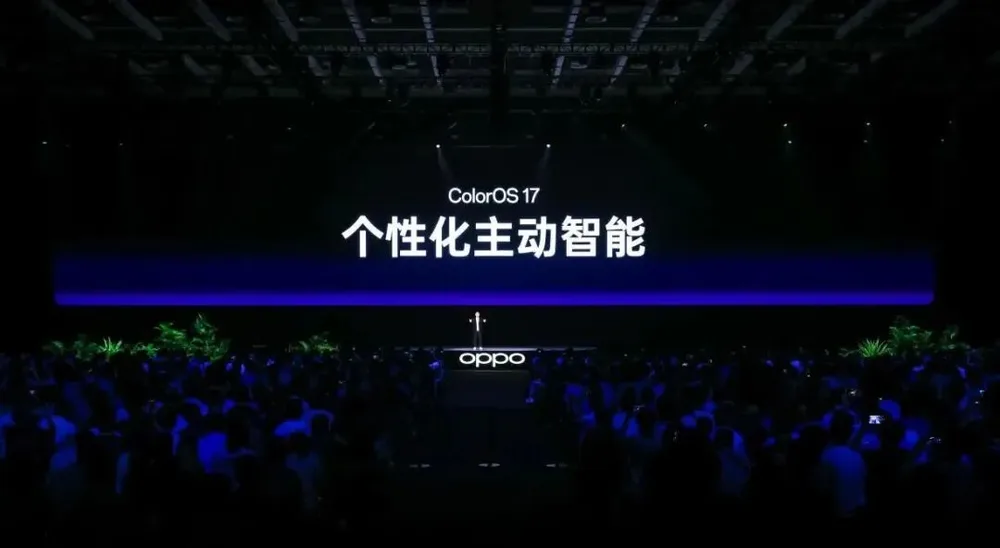
The core strategic call was made in early 2025: keep on-device model research in-house, but plug into open cloud foundation models rather than building their own. The reasoning is blunt — cloud model differences are shrinking fast, and any lead lasts "two days before everyone catches up." OPPO's differentiation has to come from the device side: memory, context, and an AIOS that acts proactively.
Memory is where OPPO has actually been building for years. The "one-tap flash memo" feature alone has seen over 1 billion calls just for pickup codes — but they admit that's the shallow layer. The real work is in what they call the "memory body," the middle layer between raw data and retrieval, where updating, error correction, and forgetting happen.
The failure case Jiang shared is painfully relatable: she flies to Chengdu often, and her phone is full of stale, changed flight itineraries. Ask "when is my flight to Chengdu" and a naive retrieval returns a pile of historical tickets instead of the next one. The system needs to model travel history and actively forget outdated info. Their engineering fix is building a "event table" across scenarios to string events into a timeline.
At ODC 2026, ColorOS 17 ships "Memory Background," which learns usage habits for personalized resource scheduling — claiming a 55.6% average improvement in background app survival rate on same-RAM devices. They're also releasing MobileMem, an on-device evaluation benchmark developed with Zhejiang University and OpenKG, because personalization is inherently subjective — one answer can satisfy person A and annoy person B.
The second step beyond memory is proactivity. ColorOS 17's "Upcoming" feature aggregates follow-up tasks and pushes services at the right moment — meeting entry points when you need them, credit card payment reminders on the 16th. Jiang calls it a personal dashboard, not an info feed. The long-term technical route is A2A (Agent to Agent), where your phone's agent talks directly to service providers' agents rather than simulating human taps. The tradeoff is speed — "the whole process is slow," she admits.
The Tencent Maps collaboration shows how messy this gets. OPPO initially wanted to orchestrate everything via atomic capability interfaces, but that misses Tencent's travel big data. Tencent leading would blind OPPO to user intent. The resolution: OPPO handles intent perception and recognition, Tencent Maps builds the trip plan and post-service chain. After integrating six modules on Tencent's side, planning a trip went from 9 steps to one sentence, and long-term retention for active users is 15% higher than the platform average.
Also new at ODC: the "Heart Sphere," OPPO's first new hardware category in eight years — a chest-worn device that's not a recorder but an "AI personal chief of staff" that stays always-on, telling you after meetings where you spoke poorly, whether you seemed irritable, and what colleagues might have meant between the lines.
The honest bottom line: by OPPO's own standard, no phone today is a true AI phone. They've been building this chain since April 2025's flash memo launch, through October's three-pillar tech strategy, to this year's proactive services and benchmarks. The technical ceiling isn't close yet — but the differentiator won't be the model, it'll be who can turn that judgment into shipped layers of product.
Next When chat is the wrong UI →
All Replies (1) #
Want a live back-and-forth? Join the global AI chat room — login to talk. My ideal phone would handle three linked actions from one sentence, while showing a preview before execution; OPPO’s current phones still fail that bar.