Google is the 6000-pound gorilla of the AI space, and anything that’s perceived to be a misstep can draw a reaction from its competitors.
Executives from OpenAI and Meta have appeared to mock Google after it released Gemini Flash 3.6 yesterday. Gemini Flash 3.6 was faster and cheaper than Gemini Flash 3.5, but it didn’t move the needle on the Artificial Analysis Intelligence Index, landing at a score of 50, exactly where Gemini Flash 3.5 had been. This meant that as many as 6 AI labs had models better than anything Google had been able to release, and one of the leaders of those labs didn’t lose the chance to rub it in.
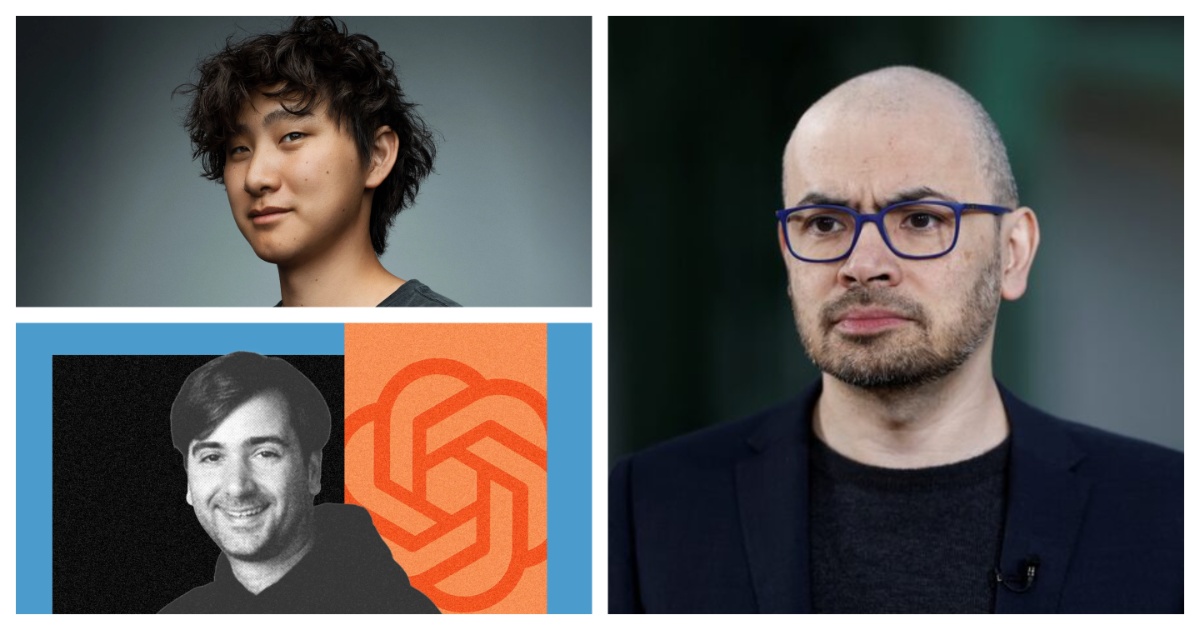
Alexander Wang, Meta’s new AI Chief, wrote “gemini who”, after a user commented that Google being behind Meta at AI was “absolutely embarrassing” for the company. Meta’s own Spark model was marginally ahead of Gemini 3.6 Flash on the Artificial Analysis Intelligence Index with a score of 51.
Meta wasn’t the only company that seemed to troll Google. Google seemed to realize that Gemini 3.6 Flash wasn’t quite at the cutting edge, and simultaneously announced that Gemini 3.5 Pro — which was supposed to be released in June — was currently being tested with partners. It also teased Gemini 4 Pro, which would be a new pretrain. “We have started our most ambitious pre-training run yet, for Gemini 4, and are excited by the progress : )” Google’s Logan Kilpatrick posted on X. To this, Tibo Sottiaux from OpenAI, who has been involved in its Codex efforts, snarkily responded, “Hope it finishes one day too!”, highlighting how Google’s previous pre-train had run into issues and caused delays with Gemini 3.5 Pro.
Kilpatrick, however, chose to ignore the remark, and replied with “Ty Tibo! TPU’s and Pre-training team are cooking!”.
Now it would make sense for rival labs to pile on to Google. Google had every advantage one could imagine for AI — it had some of the top researchers, its own TPUs, and limitlessly deep pockets. As such, its stumble at AI over the delay of Gemini 3.5 Pro is being looked at with some scrutiny. But other labs have had stumbles too and recovered — Meta, for instance, was in the AI wilderness for more than a year after Llama 4 had flopped, and only got back into the game with Muse Spark. Google has stumbled too, and it remains to be seen if it can bounce back, but given the pedigree of its talent and the quality of their leadership, rival labs would underestimate Google at their own peril.