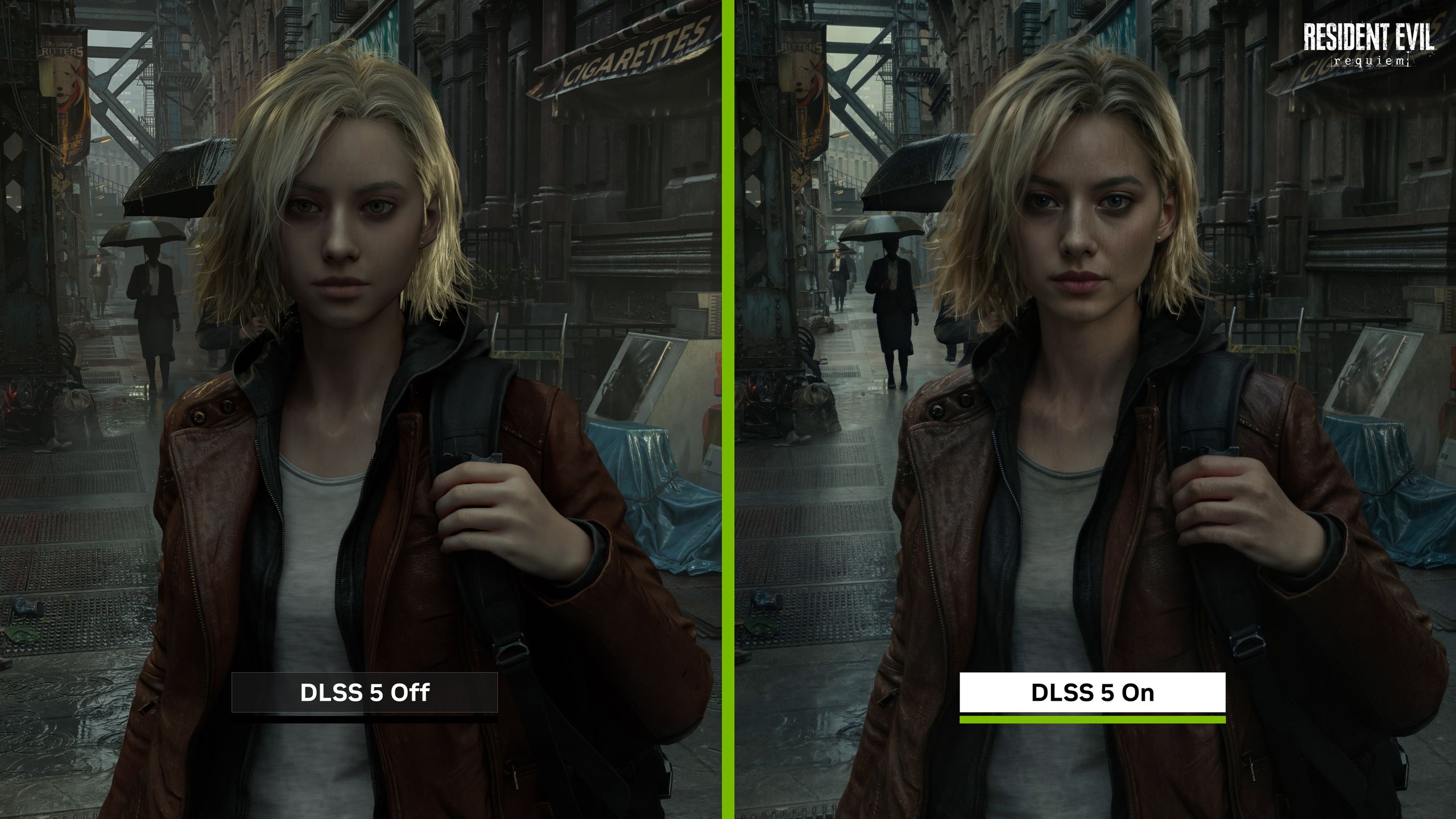
Code merged into Mesa 26.2-devel adds experimental DLSS support to NVK, the open-source NVIDIA Vulkan driver for Linux. The change implements the Vulkan extension VK_NVX_binary_import, which lets NVK load precompiled NVIDIA CuBIN CUDA binaries - the containers that carry DLSS kernels shipped with games or the DLSS SDK. Per Phoronix and Tom's Hardware, the feature is gated behind the NVK_EXPERIMENTAL=dlss environment variable due to known bugs, and DLSS binary compatibility depends on available GPU-specific bytecode. The work builds on an earlier pull request by Valve developer Autumn Ashton, with Thomas Andersen resolving merge conflicts and fixes to complete the merge. Mesa 26.2 stable targets August 2026.
What happened
Per Phoronix and Tom's Hardware, code enabling DLSS support for the open-source NVK Vulkan driver was merged into Mesa 26.2-devel on June 19, 2026. The NVK path implements the Vulkan extension VK_NVX_binary_import, which lets an application import and execute NVIDIA CuBIN files - precompiled CUDA binaries that contain DLSS kernels (sources: Phoronix, Tom's Hardware, VideoCardz, TweakTown). Per Phoronix, the feature is hidden behind the NVK_EXPERIMENTAL=dlss environment variable due to known bugs remaining at merge time. Mesa 26.2 is targeting a stable release in August 2026.
Technical details
Per Phoronix and Peq42, NVK previously picked up VK_NVX_image_view_handle, and the newly merged VK_NVX_binary_import is the remaining extension piece needed to run existing DLSS CuBINs on supported NVIDIA GPUs. The CuBIN files are ELF-like containers of CUDA code compiled for NVIDIA hardware; they are supplied with games or via NVIDIA's DLSS SDK, so the merged path allows NVK to load NVIDIA-supplied binaries rather than reimplementing DLSS in open source (sources: Phoronix, VideoCardz, TweakTown). Phoronix notes an important GPU compatibility caveat: the proprietary NVIDIA Vulkan driver supports a PTX-to-bytecode path that NVK currently lacks, as there is no translation from NVIDIA PTX to Mesa's NIR representation yet. This means DLSS on NVK only works on GPUs where a matching prebuilt CuBIN bytecode is available. The work was advanced by a Valve developer Autumn Ashton pull request opened last year, with Thomas Andersen opening a follow-up pull request to fix merge conflicts and bugs after Ashton was less active in recent months (sources: Phoronix, TweakTown, Peq42).
Industry context
Projects integrating vendor binary execution into open-source drivers reduce friction for users who need vendor-only features while maintaining an open graphics stack. For Linux gaming and Proton/Wine compatibility layers, the combination of VK_NVX_image_view_handle plus VK_NVX_binary_import has previously been used by layers such as DXVK and VKD3D-Proton to expose NVIDIA-only features to games (sources: VideoCardz). The open-source/proprietary gap NVK is narrowing here is meaningful for Linux users who want Wayland-compatible or modular driver stacks without losing NVIDIA upscaling features.
What to watch
whether Mesa 26.2 stable in August includes the merged patches without regressions; how many popular games' shipped DLSS CuBINs run correctly on NVK across GPU generations; whether PTX-to-NIR translation is implemented to lift the bytecode compatibility ceiling; and how DLSS integrates with Proton and Steam Play workflows for typical Linux gaming setups.
Practical note for implementers and testers
Per Phoronix and Tom's Hardware, NVK's DLSS path does not replace or open-source DLSS itself. Users enabling DLSS on NVK must set NVK_EXPERIMENTAL=dlss and provide game- or SDK-supplied CuBINs. GPU-specific bytecode compatibility is a current limitation - not all NVIDIA GPU models may find matching CuBINs for all game titles while PTX-to-NIR translation remains unimplemented (sources: Phoronix, VideoCardz, TweakTown).
Scoring Rationale #
Solid niche infrastructure development for Linux gaming and the open-source GPU stack: NVK gaining DLSS closes a meaningful gap between open-source and proprietary NVIDIA driver capabilities for Linux users. However, DLSS is a gaming upscaling feature with limited direct relevance to core AI/ML workloads, the feature is experimental and env-var gated, and the PTX-to-NIR gap limits immediate GPU coverage. Score pulled from 6.8 to 5.4 reflecting niche-but-solid rather than broadly notable for an AI/DS/ML audience.
Practice interview problems based on real data
1,500+ SQL & Python problems across 15 industry datasets — the exact type of data you work with.