Five independent task forces will examine everything from inflation frameworks to AI's impact on jobs, with recommendations due by year-end
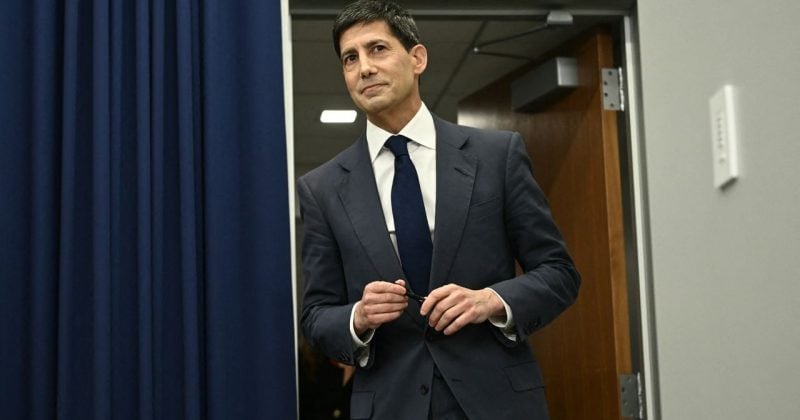
Kevin Warsh is not wasting time. Barely seven weeks into his tenure as the 17th Chair of the Federal Reserve, Warsh announced leadership appointments for five independent task forces on July 9, 2026, each tasked with rethinking core aspects of how the US central bank operates.
The names heading these panels tell you something about the direction Warsh wants to take. Venture capitalist Marc Andreessen will lead the Productivity and Jobs task force, while former Walmart CEO Doug McMillon takes the helm of the Data Quality group.
What the task forces actually cover #
The five groups span the full spectrum of Fed operations: Communications, Balance Sheet Policy, Data Quality, Productivity and Jobs, and Inflation Frameworks.
The Communications task force is particularly notable given Warsh’s already-stated preference for shorter, more direct policy statements. He has signaled a move away from the verbose forward guidance that defined the Fed under previous chairs, favoring instead concise language that emphasizes what the Fed will actually react to.
The Balance Sheet Policy group faces what might be the thorniest assignment. The Fed’s balance sheet has ballooned past $6 trillion, a legacy of successive rounds of quantitative easing and emergency lending programs.
The Productivity and Jobs task force under Andreessen is explicitly charged with examining how artificial intelligence is reshaping labor markets and economic output.
The Inflation Frameworks group will revisit how the Fed thinks about and targets inflation, a question that has haunted policymakers since price pressures proved far stickier than the “transitory” label suggested several years ago. And the Data Quality panel under McMillon will scrutinize whether the economic statistics feeding into FOMC deliberations are actually accurate and timely enough to be useful.
All five groups are expected to deliver evidence-based recommendations to the Federal Open Market Committee by the end of 2026. The task forces will operate independently but receive support from Fed staff.
Why Warsh is doing this now #
Warsh was confirmed as Fed Chair on May 22, 2026, and sworn in the same day.
The choice of Andreessen to lead the AI-focused productivity group is the most eyebrow-raising appointment. Andreessen Horowitz, his venture capital firm, is one of the largest investors in both AI companies and crypto startups.
What crypto investors should actually watch #
None of the task force announcements mention crypto, digital assets, or stablecoins directly. But the outcomes of these reviews could matter enormously for anyone holding Bitcoin, Ethereum, or anything else that trades on risk appetite.
Start with the Balance Sheet Policy review. The size and composition of the Fed’s balance sheet directly influences how much liquidity is sloshing around the financial system. When the Fed was expanding its balance sheet, risk assets including crypto rallied hard. When it started tightening, the opposite happened.
The Communications overhaul is also worth tracking closely. Warsh’s move toward shorter, reaction-function-focused statements means less forward guidance for markets to price in. For crypto, which tends to amplify moves in traditional risk assets, this means bigger swings on Fed days.
The recommendations land before year-end. Between now and then, any leaks, interim reports, or public commentary from task force leaders could move markets.
Disclosure: This article was edited by Editorial Team. For more information on how we create and review content, see our