Grok maker says the first-in-the-nation law violates free speech #
Minnesota's first-in-the-nation ban on AI-generated fake nude images has been put on hold after Elon Musk's xAI won an emergency appeal, two months after the law took effect and weeks after a federal judge refused to block it.
The St Louis-based Eighth US Circuit Court of Appeals granted xAI an injunction on Friday, 2 October 2026, barring the state from enforcing the law while the appeal proceeds. The order does not decide whether the statute is constitutional.
What the Minnesota AI Nudification Ban Does #
House File 1606, which took effect on 1 August 2026, was the first US law to target nudification tools rather than their users. It prohibits anyone who owns or controls a website, application, or software from allowing users to 'nudify' an image or video, meaning to alter it to reveal an intimate part not shown in the original. Advertising such services is also banned.
The attorney general can seek civil penalties of up to $500,000 (£371,000) for each unlawful access, download, or use, and people depicted in altered images can sue for triple damages. Governor Tim Walz signed the bill in May after it passed the House 132 to 1 and the Senate 65 to 0.
Representative Jessica Hanson and Senator Erin Maye Quade sponsored it, with backing from the anti-sexual-violence group RAINN.
The federal Take It Down Act, signed in May 2025, already criminalises publishing non-consensual intimate images, including AI deepfakes, and requires platforms to remove them within 48 hours. Minnesota's law instead targets the tools that create them.
Why xAI Is Fighting the Law #
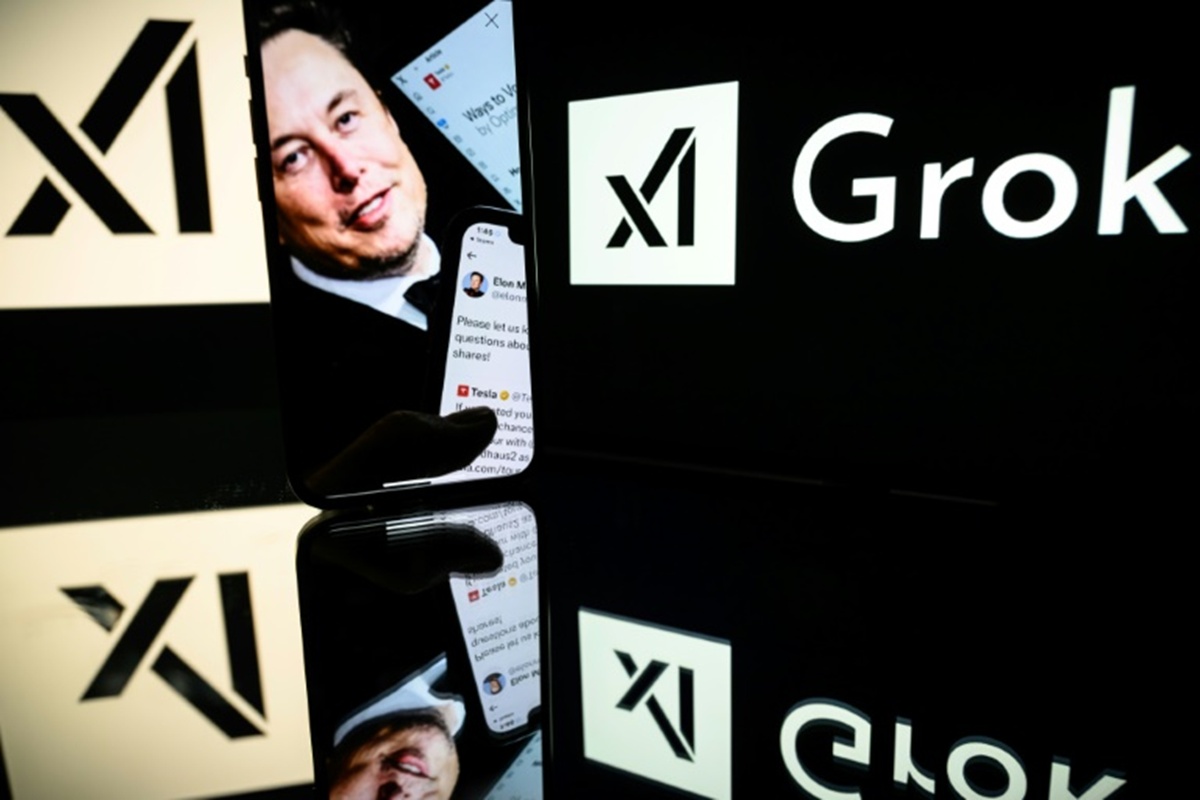
xAI, maker of the Grok chatbot and the Grok Imagine image generator, sued Minnesota Attorney General Keith Ellison on 27 July 2026, five days before the ban took effect. The company argues the statute violates the First Amendment and imposes an 'overbroad, content-based ban on free speech and the tools of visual expression.' It also says the law's definition of an intimate part could cover shirtless men, people in swimsuits, and political satire.
xAI says Grok Imagine has 'rigorous protections' against creating nudified or sexualised images of real people and has begun suing users who evade them. Once the law took effect, the company said, it restricted Grok Imagine's image-editing features and disabled its nudification capability in Minnesota.
US District Judge Donovan Frank denied xAI a temporary restraining order on 31 July and rejected a preliminary injunction in September, ruling that the company had not shown irreparable harm and had waited too long to seek emergency relief. The balance of harms, he found, tipped 'steeply' in the state's favour. xAI contested the delay finding on appeal.
The Child-Safety Fight Behind the Case #
Minnesota urged the appeals court to keep the law in force, saying it was adopted to combat a 'staggering amount' of child sexual abuse material generated by AI products such as Grok Imagine. The state argues it is regulating a product function, not protected speech. Its filings also cited a fund of more than $500M (£371M) that SpaceX, xAI's parent company, has reportedly set aside for potential litigation losses tied to Grok Imagine's 'Spicy' and 'Unhinged' modes.
Grok has faced mounting legal action since users generated millions of sexualised images of women and girls with it in late 2025 and early 2026. In March, teenagers sued xAI in California, alleging a man used Grok to sexualise photos of at least 18 underage girls. Ashley St Clair, a conservative influencer who shares a child with Musk, has sued separately in New York. Claims from a UK lawmaker, an Arkansas family, and five child plaintiffs followed around the time the Minnesota law took effect.
Ellison's office said it was 'disappointed in the Eighth Circuit's decision' and would keep defending the law. Spokesperson John Stiles said the ban 'outlaws AI technology products from generating sexual images that harm and harass people in the vilest way possible.'
The ban cannot be enforced while the appeal is heard, and xAI's wider lawsuit seeking to strike it down continues in federal court in Minnesota.
© Copyright IBTimes 2026. All rights reserved.