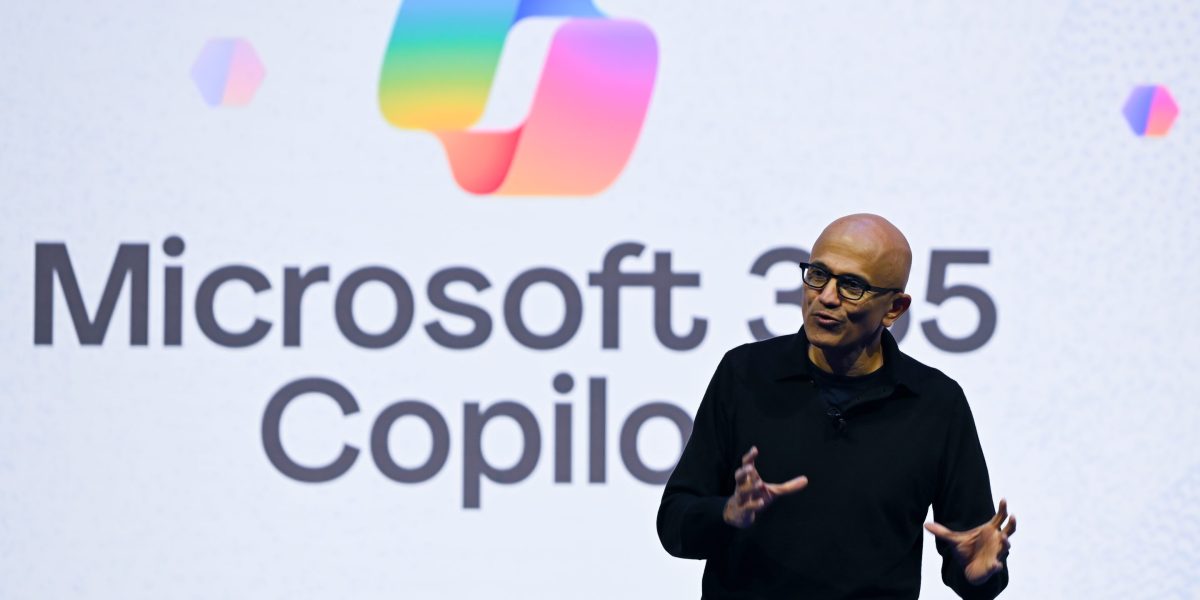
Microsoft has begun to integrate its consumer and enterprise Copilot apps, starting a process that will culminate in a super app planned to feature chat, coding, and autonomous functions.
The company said that it is starting to roll out a unified experience across the two platforms, beginning this week with a small subset of users. Users will start to see changes in navigation, feature availability, and sign-in experience. This includes a color-coded cue to help users identify whether they are logged into their business or personal accounts.
Most of the changes will be felt by Copilot consumer users, with some features for that app going away beginning Aug. 18, including Copilot Podcasts, Group Chat, and Deep Research. The Microsoft 365 app will become the “Microsoft Copilot” app.
The changes represent the start of one of Microsoft’s most critical projects. The company is racing to release a super app in the coming months that’s expected to feature a chat function, its GitHub Copilot coding assistant, the Copilot Cowork tool, and a new agentic workflow capability internally named Autopilot, Fortune first reported in May.
Microsoft is aiming to better compete with market leaders such as Anthropic and OpenAI while continuing to grow its enterprise Copilot business. In the company’s latest earnings report, Chief Executive Satya Nadella said Microsoft’s 365 Copilot service reached over 30 million paid seats.
The super app project is being headed by Jacob Andreou, the 33-year-old executive who has had a fast rise at Microsoft and whom Nadella is trusting to save its AI strategy after falling behind competitors, Fortune reported in June.
Microsoft’s Azure cloud business continues to be the company’s growth engine, having crossed $100 billion in annual revenue in its most recent quarter. Much of that growth has been due to AI demand, with a large part of its business coming from OpenAI. Microsoft has tried to diversify from its longtime partner while diverting computing resources toward improving Copilot.
The company’s AI lab this week unveiled its first reasoning model, MAI-Thinking-1, which it said matches leading models on some software engineering benchmarks, and it said its latest coding model is 25% more efficient than its previous model.
Nadella has been among several tech industry CEOs to recently advocate for open-weight AI models, which critics say are more vulnerable to attacks but proponents say are necessary to level the playing field and compete with Chinese open-source models.
“You can’t depend on any one model,” Nadella said in Microsoft’s July earnings call. “You will maybe need multiple models to even remediate some challenges that get caused by one model.”
breaks the traditional barrier between audience and newsroom. The show transforms
Fortune Daily* Fortune*’s trusted reporting into actionable, conversational, and entertaining insights for an emerging class of business leaders.
Watch here.