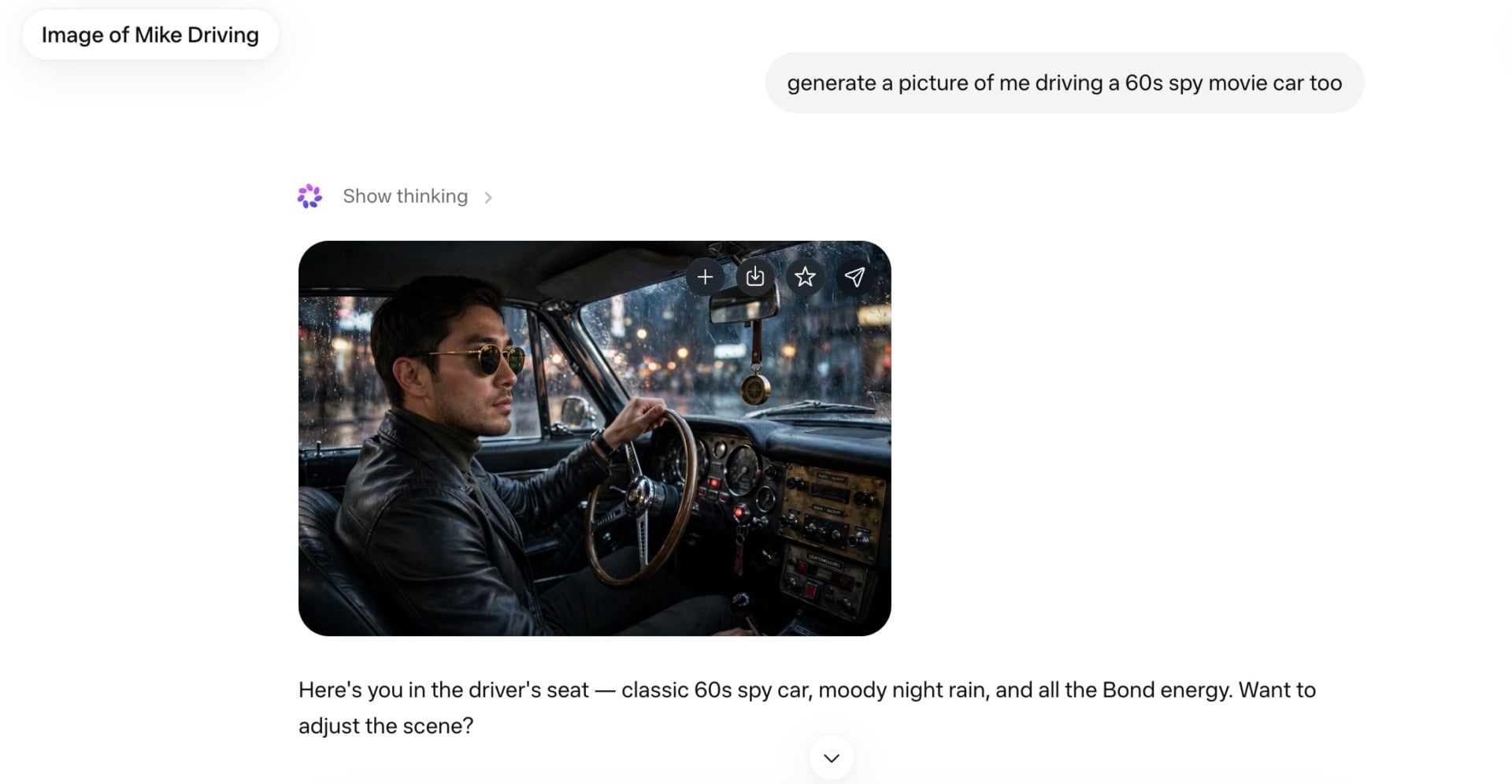
Meta launched Muse Image on July 7, 2026, giving Meta AI, Instagram and WhatsApp users an image generator that can use public Instagram accounts when they are @-mentioned in prompts. Meta's official posts describe agentic image generation, product integrations and a setting to turn off reuse, while Wired, The Verge, TechCrunch and CNET focus on the default-public Instagram setting and non-notification risk. For practitioners, the load-bearing issue is not only image quality; it is provenance, opt-out enforcement, likeness misuse and moderation at consumer-platform scale.
For practitioners
Muse Image is a product launch, but the practical issue is governance around social reference data. When a consumer image model can draw on public Instagram accounts through an @-mention, teams working on provenance, moderation, privacy controls and abuse response need to think beyond model quality. The hard parts are consent state, notification, opt-out enforcement, watermark detection and how reuse is audited across multiple Meta surfaces.
What happened
Meta's AI post says Muse Image is the first image-generation model from Meta Superintelligence Labs, available across the Meta AI app and site, Instagram Stories in the US and WhatsApp in limited countries, with Facebook support coming later. Meta says the model can compose from multiple references, use tools such as search and code, integrate with Muse Spark and apply a Content Seal watermark to generated images in Meta AI surfaces.
Policy context
Meta's newsroom post says users can @-mention Instagram accounts so public photos can be used to build an image, and says people have a setting to turn the feature off. Wired reports that public Instagram users are automatically opted into this reuse path unless they change settings, and that people are not notified when content is created using the AI feature. The Verge and TechCrunch highlight the same @-mention pathway, while CNET documents a hands-on test using a public Instagram account.
Technical context
The model is not just a text-to-image endpoint. Meta describes agentic behavior, search use, code use, multi-reference composition and hidden provenance signaling through Content Seal. That combination raises the bar for detection and abuse monitoring because generated media can blend public-profile likeness, current web context and iterative edits inside normal social sharing flows.
What to watch
The key follow-up is whether Meta publishes clearer controls, audit logs or third-party detection access for likeness reuse. Watch for changes to default settings, notification behavior, and whether Content Seal coverage extends consistently across downloaded, reposted and edited images.
Key Points #
- 1Muse Image brings Meta's image generation into Instagram, WhatsApp and Meta AI with public-account @-mention reuse.
- 2Official Meta posts emphasize agentic generation and Content Seal, while reporters focus on opt-out and non-notification risks.
- 3Practitioners should track provenance, likeness misuse, detection coverage and whether reuse controls work across Meta surfaces.
Scoring Rationale #
This is a notable platform-risk story because a major social network is shipping image generation with public Instagram likeness reuse and opt-out governance concerns. The score rises slightly because official Meta documentation confirms broader model capabilities and provenance tooling while independent coverage confirms the privacy-risk surface.
Sources #
Public references used for this report.

[01ai.meta.comIntroducing Muse Image and Muse Video](https://ai.meta.com/blog/introducing-muse-image-muse-video-msl/)

[02about.fb.comIntroducing Muse Image: Image Generation Built for Your World](https://about.fb.com/news/2026/07/introducing-muse-image-meta-ai/)

[03wired.comMeta Now Lets Anyone Use Your Instagram Photos in AI Images-Unless You Opt Out](https://www.wired.com/story/meta-now-lets-anyone-use-your-instagram-photos-in-ai-images-unless-you-opt-out/)
View 5 more sources #
04Meta's new Muse Image model can pull other Instagram users into AI photostheverge.com05Meta just launched a new AI generator, Muse Image, and users are already pushing back over use of their photostechcrunch.com06Meta debuts Muse Image, Superintelligence Labs first AI image modelcnbc.com07Meta Has a New AI Image Tool, and I Already Used It to Deepfake My Friend's Instagramcnet.com08If You Have a Public Instagram Account, You Might Be Surprised What AI Users Can Now Do With Your Facegizmodo.com
Practice with real Ad Tech data
90 SQL & Python problems · 15 industry datasets
[Active Search Campaigns by BudgetEasy](https://letsdatascience.com/problems/sql/active-search-campaigns-by-budget)

[High CPC Clicks & Poor Landing PagesMedium](https://letsdatascience.com/problems/sql/high-cpc-clicks-poor-landing-page)

[Campaign ROAS by Attribution ModelHard](https://letsdatascience.com/problems/sql/campaign-roas-by-attribution-model)
250 free problems · No credit card