CISA put four more flaws on its Known Exploited Vulnerabilities list on November 18, 2026, and the mix spans an AI gateway, a legacy SOAP library, a research database and a network-storage operating system. The agency added bugs in BerriAI LiteLLM, Apache Axis, Vanderbilt’s REDCap and Synology DiskStation Manager on evidence of active exploitation, which makes this CISA KEV update more useful to defenders than a routine batch.
The headline for most readers is LiteLLM CVE-2026-40217. Teams that park one LiteLLM proxy between coding agents and model providers now run a gateway that attackers have a reason to hit. The listing follows the six-flaw batch CISA published on November 10 and lands the day after a Puppet Enterprise listing, so the catalog has moved fast this month.
Don't miss new tech stories on Google
Add Shattered once in the Google app and our stories show up in your news suggestions.
What CISA Added to the KEV Catalog on November 18 #
CISA’s alert carries the release date November 18, 2026, and names four entries. Each one is on the list because CISA holds evidence of active exploitation. The agency did not say who is attacking, how many victims exist or which campaigns are involved, which is typical for the catalog. Kivorent News reports that CISA lists ransomware use as unknown for all four.
The alert repeats CISA’s standing warning that “These types of vulnerabilities are a frequent attack vector for malicious cyber actors and pose significant risks to the federal enterprise.” The agency also encourages every organization, not only federal ones, to adopt risk-based vulnerability management and to put KEV entries first. That second point matters here, because many LiteLLM and REDCap installations run outside federal networks.
| Product | CVE | CISA’s label | Added to KEV |
|---|---|---|---|
| BerriAI LiteLLM | CVE-2026-40217 | Unprotected Alternate Channel | Nov. 18, 2026 |
| Apache Axis | CVE-2026-90436 | Unsafe Reflection | Nov. 18, 2026 |
| Vanderbilt University REDCap | CVE-2026-90817 | Code Injection | Nov. 18, 2026 |
| Synology DiskStation Manager | CVE-2024-10441 | Improper Encoding or Escaping of Output | Nov. 18, 2026 |
Three of the four CVE numbers date from 2026. The Synology entry dates from 2024, so the KEV listing is the new development, not the bug. Axis also deserves a caveat. Reporting describes the affected line as Axis 1.x, which sources call end-of-life, so there is no routine vendor update to wait for.
LiteLLM CVE-2026-40217: A Guardrail Test Route Becomes Code Execution #
LiteLLM is an open-source proxy that gives teams one OpenAI-compatible endpoint for many model providers. Companies use it to centralize provider keys, budgets, rate limits and guardrails. That convenience is also the risk. A compromised gateway holds every key it routes.
According to a patch guide from Beam, the flaw sits at POST /guardrails/test_custom_code, a route that lets an operator submit Python to test a custom guardrail. The same write-up says X41 D-Sec advisory X41-2026-001 showed that bytecode rewriting escapes the sandbox around that route and runs arbitrary commands inside the proxy process.
How the sandbox escape works
Per Beam’s account, the old sandbox filtered dangerous names such as __import__ and __globals__ with regular expressions on the source text. Attackers built those strings at runtime, so the filter never saw them. From there the proof of concept swaps a generator’s code object, recovers the real builtins and runs a shell command. In the default Docker image X41 tested, the process reportedly ran as root.
The exploit needs a proxy-admin credential, usually the master key, so this is not a drive-by bug against an anonymous endpoint. That limit shrinks the audience but not the stakes. Master keys can leak into repositories, CI logs and agent configuration files, and one leaked key turns an “authenticated only” bug into remote code execution on the gateway host.
Affected versions and fixes
Beam and a SmartScope write-up both put the affected pip releases at 1.81.8 up to but not including 1.83.10. They cite GitHub advisory GHSA-wxxx-gvqv-xp7p, dated May 7, 2026, which swapped the hand-rolled sandbox for RestrictedPython and recommends 1.83.11 or later. Treat those ranges as reported, because the official LiteLLM release notes do not restate them.
What LiteLLM’s own pages do confirm is the current release picture. The project’s v1.111.0rc1 release notes describe a release candidate published November 18, and the GitHub releases page marks v1.110.0 as the latest stable build that same day. Production teams should land on stable, not on the prerelease.
Apache Axis CVE-2026-90436 and the Cost of an End-of-Life Library #
CISA calls CVE-2026-90436 an unsafe reflection vulnerability in Apache Axis. CybersecurityNews.us describes the attack as a crafted SOAP fault message that makes Axis load and instantiate an attacker-specified class, which can give an unauthenticated remote attacker code execution. Its automated summary rates the flaw critical.
The harder problem is the product’s age. Available reporting identifies the affected software as Axis 1.x and says the line is end-of-life with no release planned. Apache’s own position was not independently confirmed in the sources reviewed. If that holds, the advice, according to Kivorent News, is to move to Axis2 or apply the upstream source patch and to take vendor fixes for any product that bundles Axis.
Bundling is where this flaw bites. Teams rarely install Axis on purpose in 2026. They inherit it inside a larger product. Kivorent says it reported the flaw the previous week as exploited against Confluence Data Center and N-able N-central, a claim worth checking against your vendor’s advisory page before assuming you are clear.
Axis Intelligence’s Apache page adds some background. It counted 41 Apache entries among 1,782 exploited vulnerabilities in its CISA KEV tracker, or 2.3 percent, ranking Apache seventh of 296 vendors. About 19.5 percent of those 41 carry a known ransomware link. The newest entry on the page predates this listing, an Apache Struts command injection dated October 8, 2026.
REDCap CVE-2026-90817 Puts Research Data in Play #
REDCap, short for Research Electronic Data Capture, is the Vanderbilt University web database that research groups use to run studies and collect survey data. CISA labels CVE-2026-90817 a code injection vulnerability.
Kivorent, citing Rapid7 and SecurityOnline, says an attacker holding a valid public survey link can alter requests to reach an internal data-import route and run code without logging in. It lists REDCap 13.3.0 and later as affected, with fixes in 16.0.49, 17.3.10 and 17.4.4. Those details come from secondary reporting, so confirm them against Vanderbilt’s own release notes before you plan an upgrade path.
The survey-link detail changes the threat model. Public survey links exist so participants can answer questions without accounts. An administrator cannot simply close that door, and a link posted on a recruitment page is visible to anyone. Institutions that hold participant records should treat the instance as internet-exposed regardless of what the firewall diagram says.
Synology DSM CVE-2024-10441: A 2024 Bug Gets a 2026 Listing #
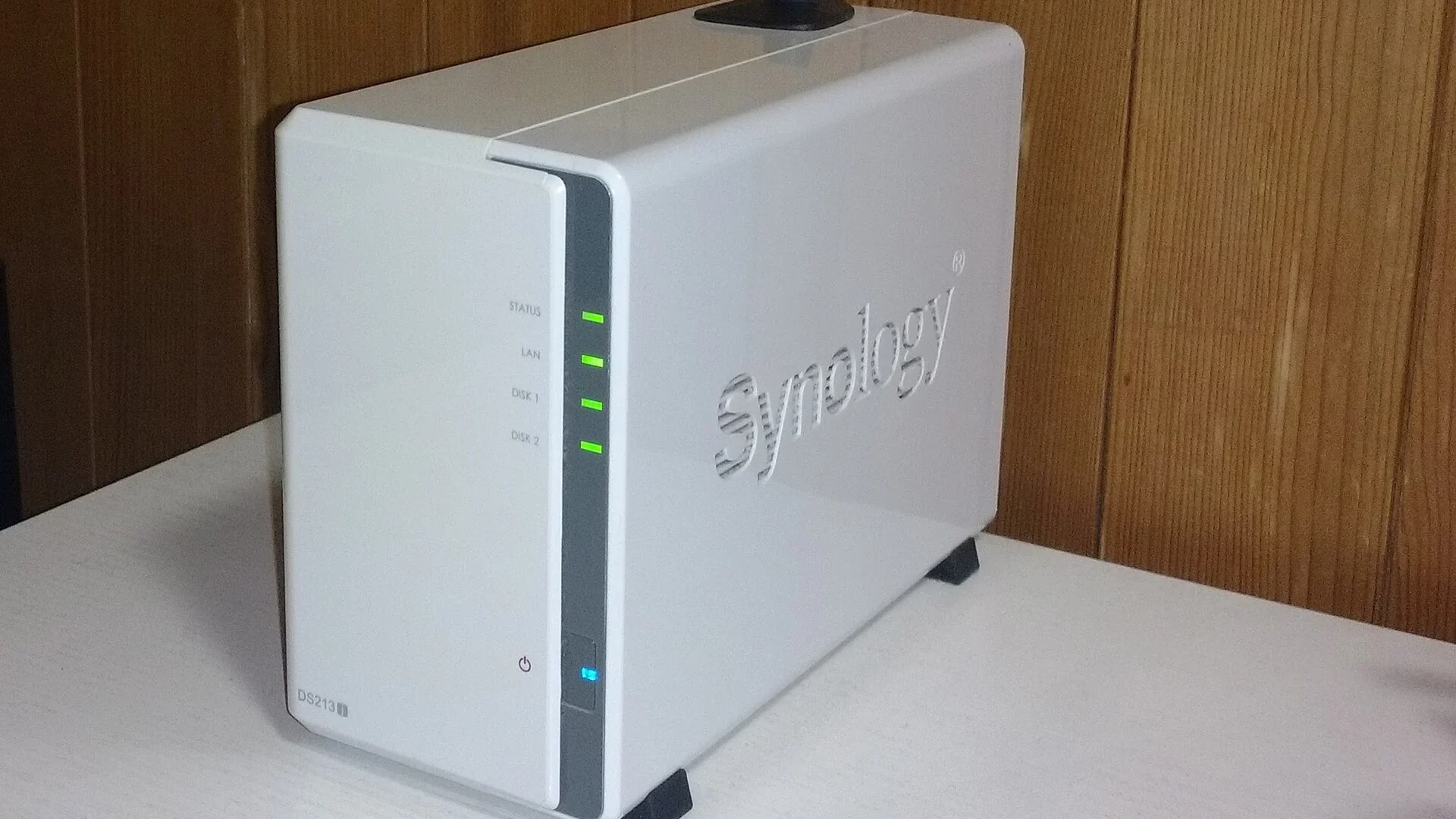
CISA lists CVE-2024-10441 as an improper encoding or escaping of output vulnerability in Synology DiskStation Manager. CybersecurityNews.us places the weak component in the system plugin daemon of Synology BeeStation OS and says a remote attacker could execute arbitrary code. Kivorent adds that DSM is affected too and that no login is needed.
Kivorent lists fixes at DSM 7.2.2-72806-1, DSM 7.2.1-69057-6 and BeeStation OS 1.1-65374. Recent Synology advisories also publish newer fixed builds. Advisory SA-26:18, published November 10, points administrators to DSM 7.4.1-90080-1 or 7.3.2-86009-5 and later for a separate group of bugs. Those advisories do not name CVE-2024-10441, so install the newest build for your branch and read its release notes rather than assuming one advisory covers everything.
One practical trap shows up in Synology’s own guidance. A version string such as DSM 7.4.1-90080 without the update suffix is not enough. You need the full build number, including the trailing update level, to know you have the fix. NAS owners also have recent history to weigh, since C3RB3R ransomware has hit Synology units left unpatched since December 2024.
Federal Deadlines: Three Days for Three Flaws, 14 for LiteLLM #
Federal civilian agencies work to due dates tied to CISA’s Binding Operational Directive 26-04. Kivorent reports, citing SecurityOnline, that the Synology, Axis and REDCap flaws are due November 21, three days after listing, while the LiteLLM flaw is due December 2. Beam also gives December 2 for LiteLLM. Kivorent could not load CISA’s own page when it reported, so treat the dates as secondary until you check the catalog entries.
The split is the interesting part. A 14-day window for LiteLLM against three days for the others suggests CISA weighs how much control an exploit hands over and whether the target needs credentials. The LiteLLM bug needs an admin login. The other three, per the reporting, do not. That reading is analysis, not a CISA statement.
Beam adds that the forensic-triage requirement under BOD 26-04 is marked no for the LiteLLM entry. CISA’s alert says the directive sets expectations for when agencies must check whether attackers compromised a system before patching. For private-sector teams, the lesson is simpler. Patch first, then look for traces, because a fix does not evict someone who already got in.
November’s KEV Pace in Numbers #
The November 18 alert is one of five CISA published in ten days, based on the titles of the alerts on CISA’s site. The tally below counts only the additions each alert announced.
| CISA alert date | Flaws added | Products named in coverage |
|---|---|---|
| Nov. 9, 2026 | 4 | Four-flaw batch |
| Nov. 10, 2026 | 6 | Cisco BroadWorks, Barracuda, Microsoft Outlook |
| Nov. 13, 2026 | 2 | Two-flaw batch |
| Nov. 17, 2026 | 1 | Puppet Enterprise |
| Nov. 18, 2026 | 4 | LiteLLM, Apache Axis, REDCap, Synology DSM |
That adds up to 17 additions across five alerts. The batches involved different product families. Our report on the four-flaw batch with a November 12 federal due date covers GPUStack, FreeSWITCH, OpenSSH and Aspera Faspex. The pattern across all five alerts is a wide spread of vendors, not a single campaign. Defenders cannot assume one patch window covers the month.
Earlier this fall the catalog also picked up a WordPress flaw fixed in 7.1.4 and a Nextcloud Collabora bug rated CVSS 9.2. The mix of web platforms, collaboration tools and infrastructure software keeps widening. This week’s batch adds AI infrastructure to that list.
Why CVSS Scores and KEV Status Disagree #
CybersecurityNews.us and Kivorent list CVSS scores of 9.8 for Synology, Axis and REDCap, and 8.8 for LiteLLM. Beam notes that the LiteLLM scoring is murky. GitHub’s advisory reportedly rates it moderate at 5.9 on CVSS v4, while the NVD analysis cites 8.8 on CVSS 3.1. One bug, two scales, two very different impressions.
A SOC that sorts tickets by score alone could park the LiteLLM item below flashier bugs that nobody is exploiting. KEV cuts through that argument. The catalog says exploitation is happening, which is a fact about attackers, not a model of severity. Our comparison of CVSS and CISA KEV for prioritization shows how large the gap between the two lists can get.
There is a catch on the other side. KEV tells you a flaw is exploited somewhere, not that it is exploited against you. Kivorent also flagged that the SecurityOnline article it relied on described all four as exploited in one place and showed “no confirmed exploitation” in a summary table. Neither detail changes CISA’s listing, but they show why a primary source beats a secondary summary.
How the Four Flaws Compare #
Putting the four side by side shows why one priority list does not fit all of them. Based on the reporting cited above, the main differences come down to how much an attacker needs before the first request.
- LiteLLM: needs a proxy-admin credential, but a successful attack reportedly lands inside a process that holds every provider key.
- Apache Axis: no login needed and no vendor fix expected for the 1.x line, so the answer is migration or a bundled-product patch.
- REDCap: reachable through a public survey link, which makes exposure a design feature rather than a misconfiguration.
- Synology DSM: remote code execution without a login per Kivorent, with vendor fixes available but spread across several DSM branches.
Rank them by exposure, not by product fame. An internet-facing NAS or REDCap instance deserves the first hour. An internal LiteLLM proxy behind a VPN with a well-guarded master key can wait until the same afternoon. Anyone who exposes the LiteLLM admin port to the internet should move it to the front of the line.
Market Impact: Who Has to Act This Week #
No vendor has disclosed a customer count, a breach or a financial hit tied to these four flaws, and none of the sources reviewed gave one. The impact so far is operational. Platform teams, university IT groups and managed-service providers all face unplanned patch work in the same week.
AI platform teams carry the newest exposure. Gateways like LiteLLM turned into shared infrastructure almost overnight, and many sit outside the change controls applied to databases or identity systems. Red Hat products that bundle LiteLLM, including Ansible Automation Platform 2.6 and OpenShift AI 3.3, have their own fixes according to SecurityOnline via Kivorent, so enterprise users should check vendor channels instead of upgrading packages by hand.
Managed-service providers and device vendors face a different cost. Every bundled copy of Axis 1.x is a ticket someone has to open. Our look at InfraTrust’s October pulse of 16 KEV-linked advisories on edge devices shows how often exploited flaws land in boxes that sit at the network boundary. Four more entries add to a backlog that already strains small teams.
Historical Context: From BOD 22-01 to BOD 26-04 #
CISA’s site now labels its earlier KEV directive, BOD 22-01, as revoked. BOD 26-04, on prioritizing security updates based on risk, sets the current rules. The new directive keeps the catalog at the center but ties urgency to exposure. It targets CVEs listed in KEV on publicly exposed assets that give an attacker total control after exploitation, and it lets agencies defer lower-risk items.
That shift explains the staggered deadlines in this batch. It also reflects a larger lesson from earlier years: old bugs keep paying off for attackers. The Synology entry, a 2024 CVE listed in late 2026, is a clean example. A flaw can sit quietly for two years and then become urgent the day exploitation shows up.
CISA also lets outsiders influence the catalog. Its alert points to a KEV Nomination Form, and a nominated flaw must come with a CVE ID, evidence of exploitation and clear mitigation guidance. That last requirement helps explain why Axis 1.x, with no vendor fix on the way, can still qualify. Guidance can mean migration, not only a patch.
A Practical Response Plan for Defenders #
Start with inventory. List every LiteLLM proxy, every Synology unit, every REDCap instance and every product that might embed Axis 1.x. For LiteLLM, Beam’s recommended checks are quick to run. The commands below confirm the installed version and the image in use.
pip show litellm
pip install --upgrade 'litellm>=1.83.11'
docker inspect litellm --format '{{.Config.Image}}'
docker exec litellm pip show litellm
If you cannot upgrade today, both GitHub and X41 reportedly recommend blocking the vulnerable route at the edge. A reverse-proxy rule is enough. Teams that never use guardrail testing on a production host can leave the block in place after patching, since testing belongs in CI with throwaway containers.
location = /guardrails/test_custom_code {
    deny all;
}
Hunting for signs of compromise
Neither CISA nor the GitHub advisory ships indicators of compromise, per Beam. Reasonable hunts include POST requests to the test route outside change windows, request bodies with concatenated underscore strings, new processes or outbound connections from the proxy container, and master-key use from unfamiliar addresses. If anything looks wrong, rotate the master key, database credentials and every provider key the proxy held.
For the other three, apply vendor builds, confirm the full version string and check logs for unusual SOAP faults, survey-link requests or plugin-daemon activity. Then automate the watching. A short script that polls the catalog and matches it against your asset list beats a weekly manual read, and our guide to building a CISA KEV tracker in Python walks through one approach.
Five Predictions for the Next Few Months #
These are analysis, not reporting. Each follows from patterns visible in this month’s alerts.
- More AI gateway and agent-platform bugs will reach KEV. Attackers follow credentials, and gateways collect them. LiteLLM will not be the last.
- Axis 1.x will keep surfacing through bundled products. Expect vendor advisories, not an Apache patch.
- Older CVEs will keep getting listed. The Synology entry shows that disclosure year is a poor guide to risk.
- Vendors will turn off code-testing endpoints by default. A route built for convenience became an attack path, and the cheapest fix is to remove it from production builds.
- Split deadlines will become routine. BOD 26-04 ties urgency to exposure, so expect days for unauthenticated flaws and weeks for authenticated ones.
Readers tracking this kind of exposure can find more in our security coverage, where the KEV batches are archived as they land.
Frequently Asked Questions #
What did CISA add to the KEV catalog on November 18, 2026?
Four vulnerabilities: CVE-2024-10441 in Synology DiskStation Manager, CVE-2026-40217 in BerriAI LiteLLM, CVE-2026-90436 in Apache Axis and CVE-2026-90817 in Vanderbilt University REDCap. CISA added them on evidence of active exploitation.
Do private companies need to act on a KEV listing?
Federal agencies face binding deadlines, but CISA encourages every organization to adopt risk-based vulnerability management and to prioritize KEV entries. A listing is the clearest public sign that attackers are using a flaw.
Which LiteLLM versions are affected by CVE-2026-40217?
Secondary sources, including Beam and SmartScope, report pip releases from 1.81.8 up to but not including 1.83.10, with 1.83.11 or later recommended. The project’s latest stable build is v1.110.0, and v1.111.0-rc.1 is a prerelease.
Will Apache release a fix for Axis 1.x?
Reporting says Axis 1.x is end-of-life with no release planned, and that users should migrate to Axis2 or apply the upstream source patch. Products that bundle Axis should have vendor fixes, so check each vendor’s advisory.
Can attackers exploit REDCap without logging in?
According to Kivorent, citing Rapid7 and SecurityOnline, an attacker with a valid public survey link can reach an internal import route and run code without credentials. Confirm affected and fixed versions with Vanderbilt’s release notes.
How do I know my Synology NAS is patched?
Check the full DSM build number, including the update suffix, against the fixed builds in Synology’s current advisories and release notes. A version string without the update suffix is not enough.
Why does the LiteLLM flaw have such different severity ratings?
Beam reports that GitHub’s advisory rates it moderate at 5.9 on CVSS v4, while NVD cites 8.8 on CVSS 3.1. The two scoring systems weigh the admin-credential requirement differently, and KEV status overrides both for prioritization.